The eating habits of Irish people began to change in the defining decade that began in 1960 with foreign travel, holidays in the sun, and the opening of the country’s first national television service, now RTÉ.
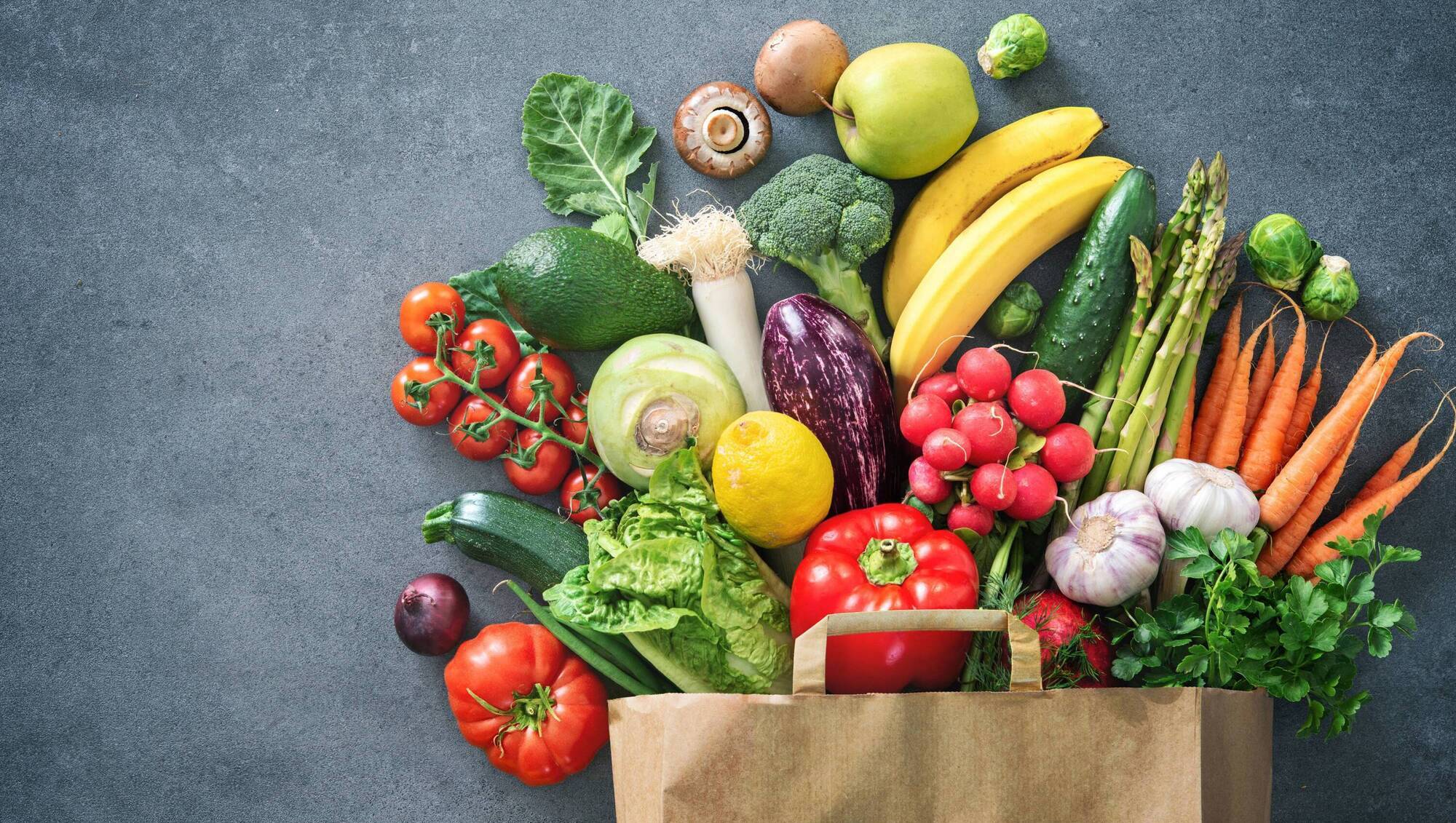
Fruit and vegetables grown in warmer climates tickled the taste buds of a nation that was more accustomed to potatoes, cabbage, turnips, and carrots grown in back gardens, apples from trees planted on suitable plots of land, and eggs laid by roaming farmyard hens.
The days of churning butter in country kitchens had already gone, but the free range hens still laid fresh eggs. Families backed their own bread and consumed slices of home cured salty bacon, washed down with fresh milk. And they also made black and white puddings.
They were self-sufficient long before the term became popular, but then the consumer market arrived with shoppers seeking more variety in the food they bought. Ireland joined what is now the European Union and large-scale supermarkets began to displace country shops.
People were exposed to high powered marketing. A new generation sought more food choices and that led to an explosion in the range and variety of produce on offer in the country’s retail outlets.
The realisation that most of the present generation have no land and that few have the required know-how to grow their own fruit and vegetables was a stark reflection of how far country people had moved from their roots.
Today, a staggering 83% of the fruit and vegetables consumed nationally is imported, but 29% of them could be easily grown here. The figures triggered a growing public debate last year about the country’s fourth biggest sector in agriculture.
Ireland’s fruit and vegetable sector employs about 7,000 people in full-time primary production, and a further 11,000 in downstream businesses. Farm gate output was worth €531m in 2022.

The retail fresh produce market was valued at €1.65bn, with vegetables accounting for €605m, fruit €811m, and potatoes €232m.
A strategic roadmap for the sector published by the Department of Agriculture, Food, and Marine sets down a clear vision for the sector to grow a more profitable, value-added sector, driven by innovation and sustainability, and provides a roadmap for the sector to achieve its potential.
Key challenges facing the industry were also discussed in the Seanad and at meetings of the joint Oireachtas agriculture committee, led by Jackie Cahill TD.
Imports, labour shortages, falling grower numbers, rising energy costs, food waste, and climate change were among the issues raised at hearings with key stakeholders.
A focus was also put on the power of supermarkets, below cost selling, and difficulties in growers securing sustainable returns from a competitive marketplace.
Despite the many challenges facing the industry, experts believe it has the potential to become a flagship sustainable food system.
It already produces a wide range of food crops, including potatoes, mushrooms, field vegetables, fruit and protected crops, which are primarily sold on the home market.
Horticulture food crops represent more than 80% of this output value at €431m, with amenity horticulture (non-food crops) making up the remaining 20% (€100m).
Experts accept, however, that the sector is facing many challenges from imports, high startup costs for new entrants, significant labour shortages, and climate changes.
Seasonal imports of fruit and vegetables that can be grown domestically make up 29% of total imports: potatoes (18%), apples (5%), and soft fruits (6%), according to a report by UCD.
Bord Bia director of horticulture Mike Neary outlined to an Oireachtas committee recently some of the key statistics relating to the industry. There are currently about 300 commercial potato producers in the country compared with some 1,400 in the 1990s.
The number of field vegetable growers has dropped from about 400 in 1998 to around 60 growers at present. There are currently about 250 fresh produce growers in the country.
In 2022, Ireland imported about €850m worth of produce, amounting to about 600,000 tonnes. About €577m of that value was fruit including bananas and oranges.
“There is seasonality. At certain times, we cannot grow crops, so we need imports. If I am asked if there are crops that we can grow in season here, we definitely can grow more," he said.
For example, we have been doing work to try to look at import substitution opportunities, such as growing more fresh potatoes for the chipping trade.
"That import figure is roughly 50,000 tonnes per year,” he said.
Mr Neary said there are seven tomato growers left in the country. They are called high-wire growers. They are great growers and very invested in the business. They have major operations, and there is a high cost from an energy perspective.
“We produce about 4,000 tonnes of tomatoes annually and import about 25,000. That is the size of the market. Over the years, we have fewer growers, but the ones who are growing are excellent,” he said.
The dean of the Business School at UCC, Prof Thia Hennessy, said the Food Vision 2030 committee acknowledged the challenges facing the sector. These are in terms of the scale required to support a viable business in the sector, the high start-up costs for new entrants, and significant labour shortages.
Availability and cost of labour, in what is a labour-intensive sector, and the weak position of the producer in the supply chain in respect of the price being paid for the final product are among the challenges.
Taking these challenges and opportunities together, the committee came up with a major recommendation to develop a strategy to set out the road map for the horticulture industry to 2030.
Professor Hennessy has also expressed concerned about supermarkets selling fruit and vegetables at low prices as part of promotions and what it may mean for the sector in Ireland and warned that the practice may be causing an increase in food waste.
“When I walk into a supermarket the week before Christmas and I can buy a bag of carrots for 29c because they are on promotion, that does bother me because I know it costs a lot more financially to bring that bag to market, a lot more environmentally as well.”
UCD's Prof Dolores O’Riordan said horticulture is the fourth largest sector in Ireland in terms of gross agricultural commodity output value.

Despite all these challenges, horticulture is still seen as having the potential to become a flagship sustainable food system in Ireland.
Speaking at an Oireachtas Committee meeting, Eugene Murphy TD said Ireland spent €50m on importing tomatoes 2022, €23m on onions, €26m on cabbage, €12m on carrots and €20m worth of blueberries.
“30% of the fruit and vegetables imported could have been grown here. We are even importing potatoes,” he said.
Mr Murphy said he failed to understand why millions of euros were not being put into subsidising Irish horticultural businesses. He also claimed the flavour of an Irish apple can be far better than that of many of the apples that come in from abroad.
In 2022, “we imported 70,000 tonnes of apples into a country that can probably grow apples better than any other in the world. The story is incredible,” he said.
Macra na Feirme president Elaine Houlihan said horticulture has the potential to be a leading sector as regards its green credentials.
Horticulture and its preservation and expansion presents an opportunity to positively target carbon emissions and enhance sustainability of food systems.
The chairperson of the Macra agricultural affairs committee, Liam Hanrahan, called for prioritising Irish growers who can produce a very fresh produce, going from the growing stage today and onto the supermarket shelf tomorrow.
“Whereas if we are buying from abroad, produce may spend one or two weeks in a container, require inhibitors, and, therefore, by the time it gets to the shelf, it is not as fresh and does not last as long in one’s home. That is a serious issue. Prioritising Irish growers would be an easy thing to do,” he said.
Claire Kerrane TD said: “We should stand on our own two feet much more when it comes to growing fruit and vegetables. We cannot grow everything, but what we can grow, we should.
“For our fathers and mothers and the generations before them, anything they ate, they grew. That was how it was. We need to go back to some of that to be more self-sufficient than most of us are.”

Subscribe to access all of the Irish Examiner.
Try unlimited access from only €1.50 a week
Already a subscriber? Sign in
CONNECT WITH US TODAY
Be the first to know the latest news and updates