Revolutionaries endured a lonely battle with ‘trauma’
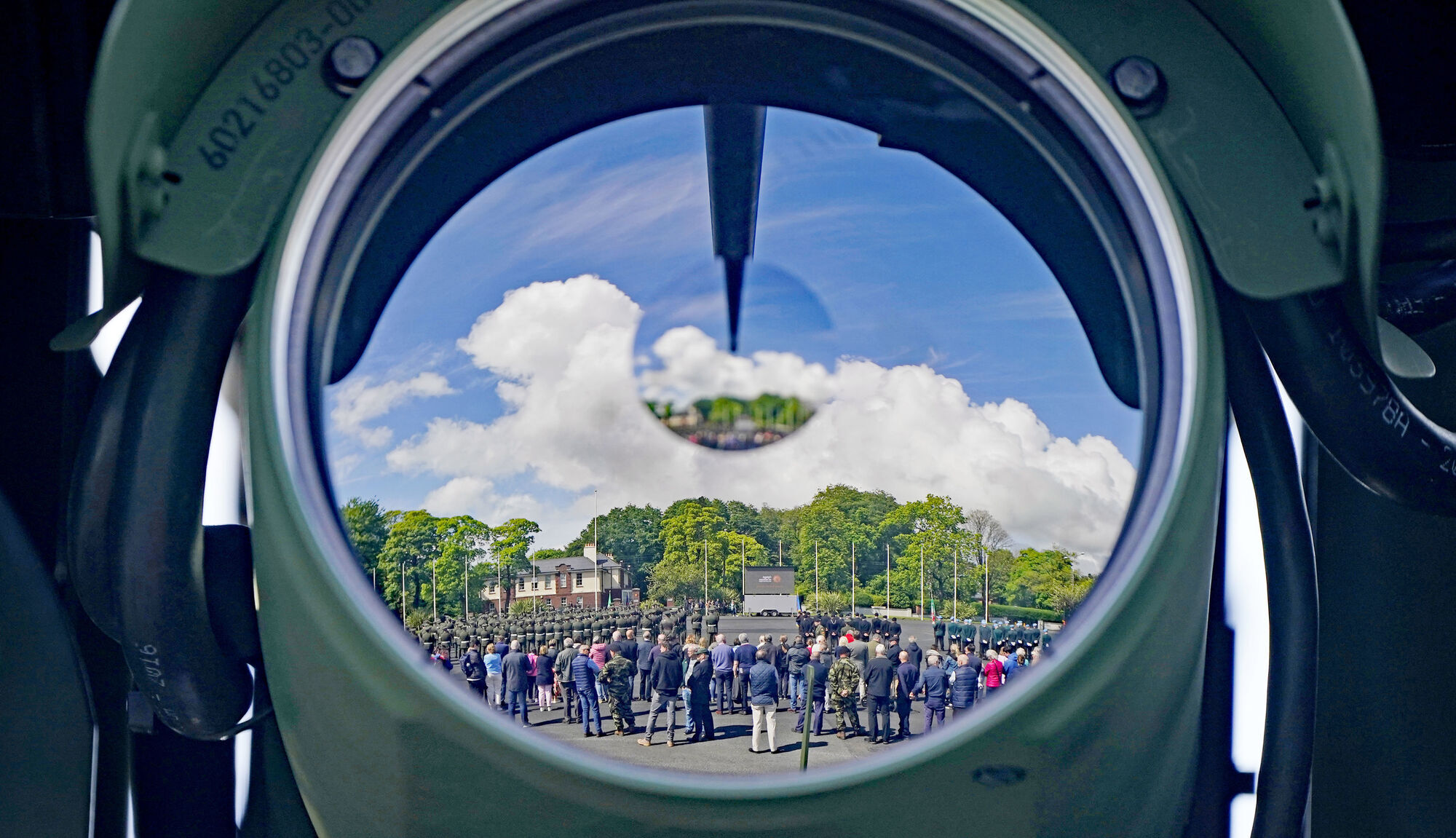
A reflection of crowds is seen in the camera lens of a remotely operated machine gun turret during a ceremony to mark the centenary of the handover of the Curragh Camp in Co Kildare, from British to Irish Forces on May 1. Picture: Niall Carson/PA Wire
HISTORY HUB
If you are interested in this article then no doubt you will enjoy exploring the various history collections and content in our history hub. Check it out HERE and happy reading
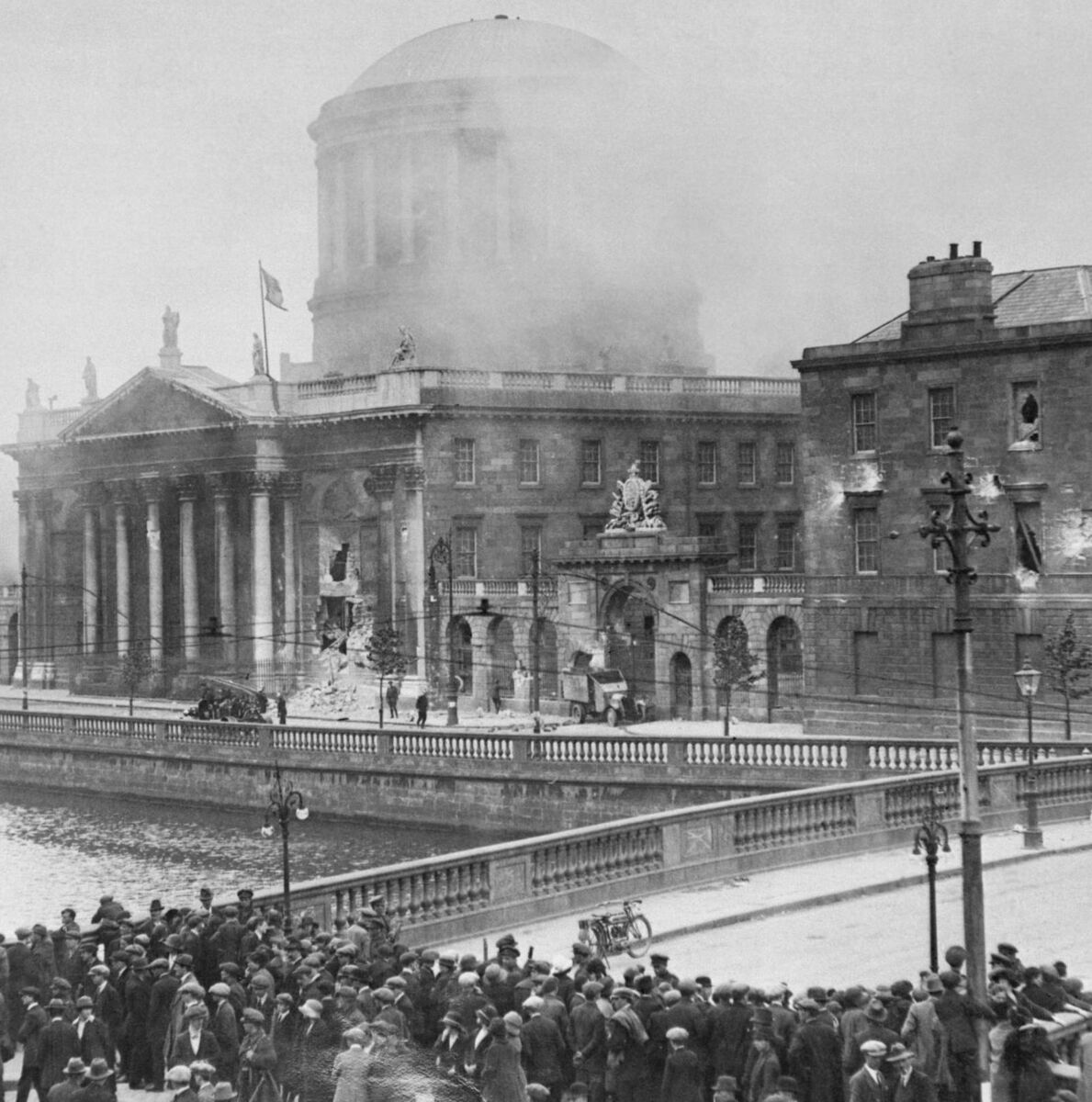
While the Romans theorised about the destruction of civil war (bellum civile) since the first century BCE, the devastation associated with such internecine conflicts intensified during the Age of Revolutions from the late 18th century.
That is not to say, however, that revolutionaries did not have their own sophisticated understandings of the psychological legacies of war.

In the Free State, the Military Service Pensions Board was far slower to recognise nervous “diseases” than compensation boards in Britain, such as the London-based Irish Grants Committee, which provided compensation to Irish loyalists and included “shock” in its definition of physical injuries.


CONNECT WITH US TODAY



Be the first to know the latest news and updates