Developer's change of direction on Sextant site steers us to causes of housing crisis
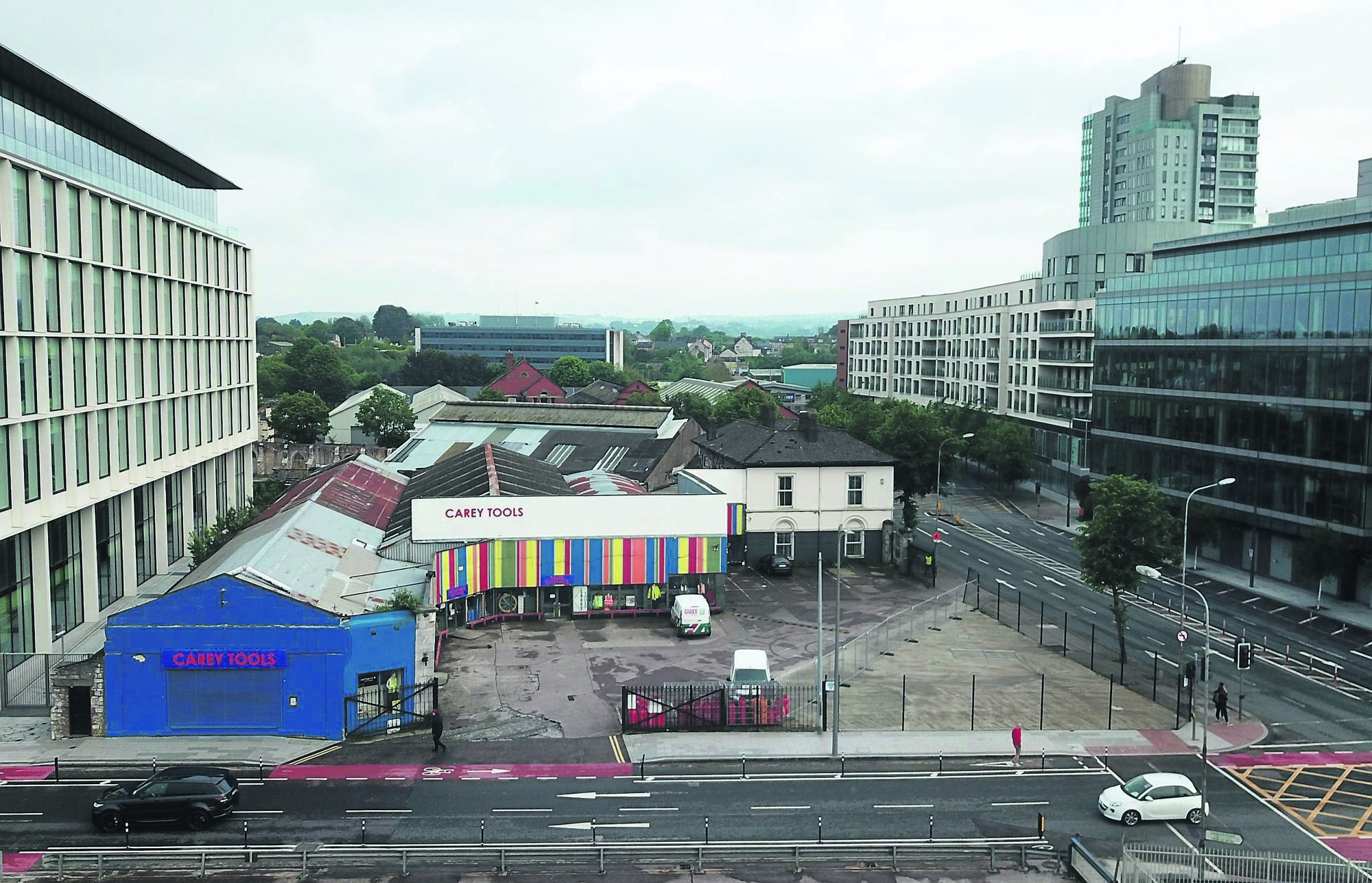
The Sextant being demolished last August. Picture: Dan Linehan

CONNECT WITH US TODAY



Be the first to know the latest news and updates
The Sextant being demolished last August. Picture: Dan Linehan
CONNECT WITH US TODAY
Be the first to know the latest news and updates
Newsletter

Get a lunch briefing straight to your inbox at noon daily. Also be the first to know with our occasional Breaking News emails.

Check out our diverse library of newsletters and get the best of the Irish Examiner delivered straight to your inbox
Friday, September 25, 2026 - 9:00 AM
Friday, September 25, 2026 - 7:00 AM
Thursday, September 24, 2026 - 6:00 PM