Michael Moynihan: Cork City needs a place where people can live and not just work
Cork needs a strategy for when Covid is not the number-one consideration, all day every day
Michael Moynihan: Cork City needs a place where people can live and not just work

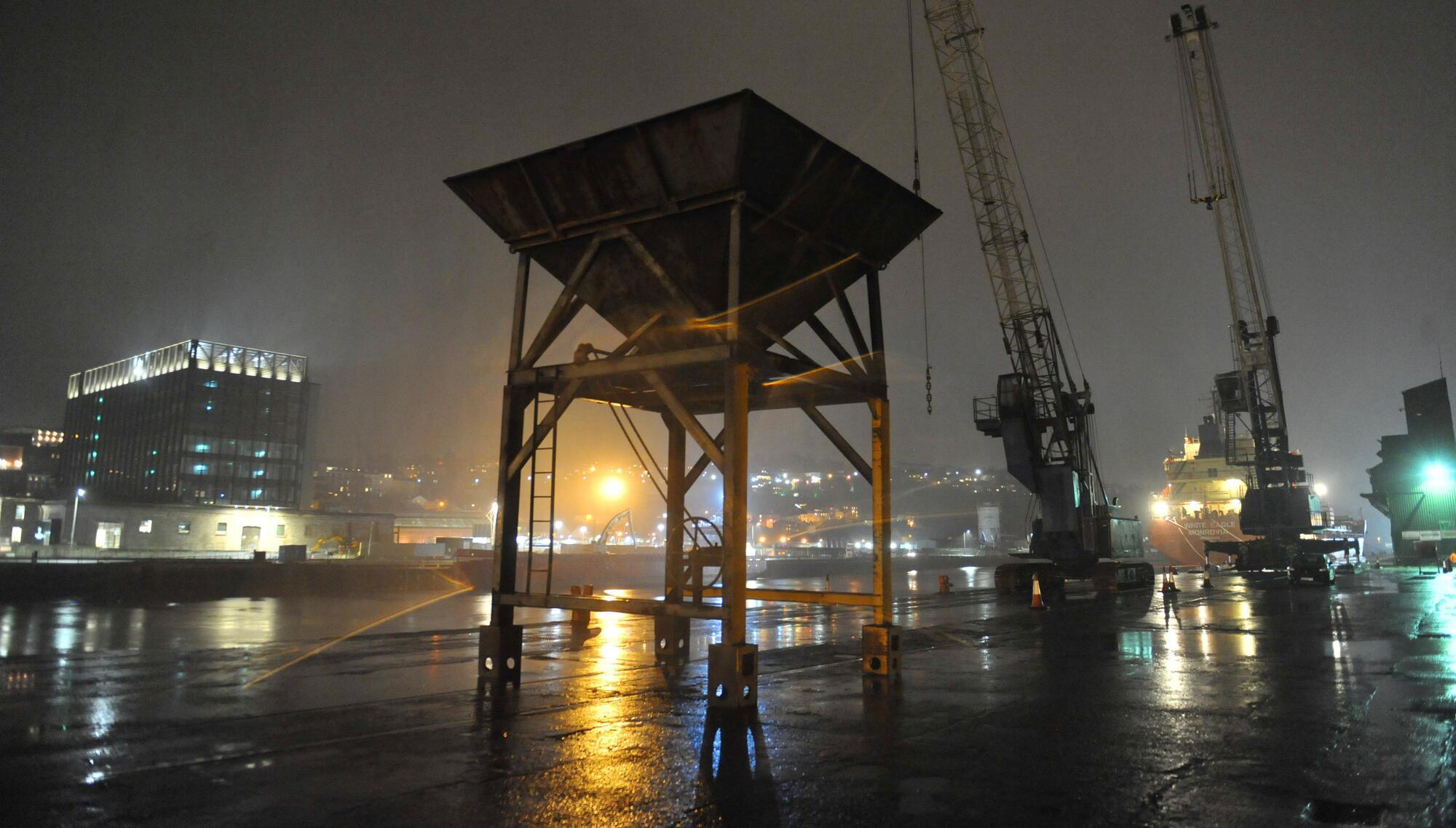
A night time foggy view of the docks at Kennedy Quay, Cork City. The docklands development could accommodate 20,000 people and 29,000 jobs. Picture: Larry Cummins

Last week the Taoiseach stood on the quay and revealed a major funding boost for Cork.

As reported by Alan Healy of this parish, Cork native Micheál Martin “confirmed funding of €353.4 million to enable works for what will be one of the largest regeneration programmes in the State.

“The Docklands area to the south of the River Lee covers 146 hectares and will ultimately have the capacity to accommodate 20,000 people and 29,000 jobs.”

A development on this scale doesn’t come along that often, so it’s an opportunity that can’t be wasted. Your columnist’s years in Dublin coincided with the redevelopment of swathes of the old docklands in that city: are there lessons for Cork in what happened along the Dublin quays, particularly in ensuring communities don’t get left behind?

“It’s very much a blank canvas there, which is what’s unique about the Docklands site. It’s a very significant site adjacent to the city centre which can be developed and planned and structured to meet the needs of the city.

“It has to be a mix of community and business, recreation and healthcare, arts and education — it has to be a mix of all of those to be a success, and that won’t happen without very significant planning and investment.

“Last week’s announcement was a start, and it’s going to require significant public-private partnerships to see the development of mixed purpose accommodation, schools, colleges, hospitals, sports, culture and arts — all of those.”

The speaker? Conor Healy of Cork Chamber.

As someone representing businesses in the Cork area, I expected him to sound a bullish note about the proposed investment. No surprise there.

Planning for the future

But recognising the need for a place where people can live, not just work, shows the need for a broader view — and the need to make the most of the opportunity presented by the Docklands redevelopment. “Over a twenty-year period that’s how the Docklands will grow and develop,” he added.

“Some of that will happen naturally, and we’ve already seen that with some of the more recent office developments in the area, but there are other issues.

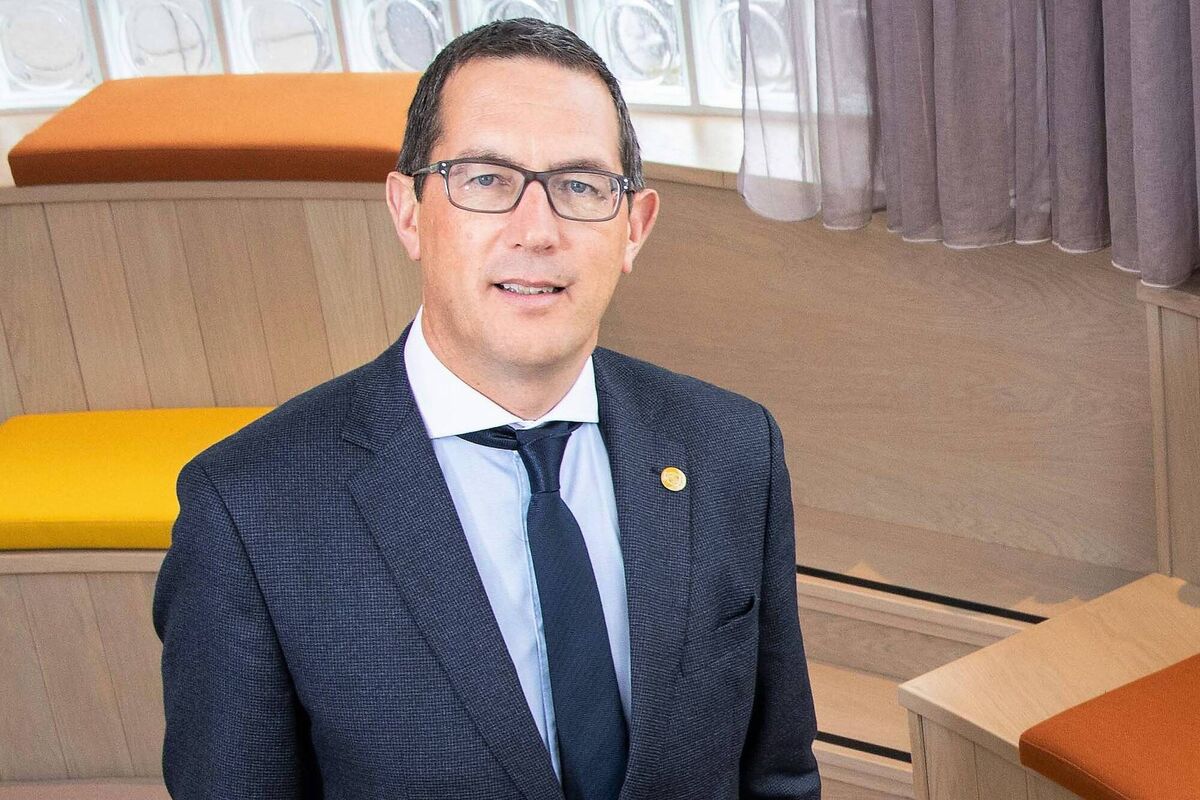
Conor Healy, CEO of Cork Chamber.

“The provision of apartments in the area is something the government will have to look at because of the ongoing issue with the viability of the development of apartments in brownfield sites like this, and the affordability of those apartments.

“At the moment that model doesn’t work, and it’s going to require government action from a policy point of view to help make it happen.

“Without that level of policy intervention and support we’re not going to see homes built in the Docklands area, and that means you won’t build the community environment where there’s a mix of people living, working and enjoying recreation in the area. You’ll end up with an environment which only has life or activity in working hours and which doesn’t have anything happening outside of those hours.

“That’s not what we want to see in the Docklands.”

It’s not what we want to see in the city, full stop. The pandemic and lockdown have had a visible effect on the city centre when you visit. Healy agreed that “walking around town at the moment, it gives the worst possible reflection of what’s going on in the city centre in a business sense.”

He’s not wrong. Obviously retail and hospitality businesses, by virtue of the government guidelines, are shut down; on top of that many of the office-based businesses around the city centre, which generate the footfall for retail and hospitality, are shut down and the employees are working from home, creating a vicious circle. Shutters and locked doors, empty stretches along the main streets of the city — the vista isn’t appealing.

Everyone was aware already of the challenge to brick-and-mortar retail from online shopping, but that challenge has been seriously compounded and accelerated by the pandemic.

Thus we have a double challenge in Cork: to get past Covid in the short term — or medium term, depending on your levels of optimism — while also maintaining a long-term strategy for the region. For when Covid is not the number-one consideration, all day every day.

“We’ve tried not to let Covid distract from the vision and ambition we have for Cork as a region,” said Healy. “Last week was very positive.

“Don’t forget the decision by An Bord Pleanála to uphold the planning approval for the tower on the Port of Cork site either — that’s another positive move for the city — but the funding announcement was the culmination of the efforts of many people and organisations.

“The starting point in this process would have been the commitments given to Cork in the 2040 plan, the national planning framework, showing a real ambition for Cork as a strong second city region, developing as a counterbalance to Dublin and the east coast. “For much of the last couple of years the focus had been on turning that ambition into delivery, and from a Cork point of view the Docklands is a major focal point for everyone in terms of population growth, business growth, and scale.”

Just the beginning

One of the interesting points in the conversation was the acknowledgement the funding announced last week is just a start — “a major start” as Healy put it — but still, just a beginning. For instance, if the Docklands is to grow and flourish then access will have to be improved. In short, that means bridges downriver from the old Port of Cork site. Given the Mary Elmes Bridge — at a far narrower point in the river — cost €5 million, that suggests significant further investment will be needed if the project is to succeed.

“People are always interested, obviously, in the future of the city,” said Healy.

“While we’re dealing with the impact of Covid at present there are other factors also —there’s an increased activity in terms of digital and online sales, habits and practices have changed in hospitality when you look at take-out and outdoor dining and so on.

“Over the next ten years I think we’ll have a different type of environment in the city.

How different?

Cork City Council is working on a new city centre strategy which is going to have to reflect those trends, he pointed out.

Places like Patrick Street and Oliver Plunkett Street are going to see residential development that wasn’t there before, while in recent weeks in this corner of the paper we’ve mentioned the need to facilitate cycling and walking in the city.

“The city is going to have to accommodate a lot of change into the future,” said Healy. “But I think somewhere like Cork is very well positioned to make those changes — more so than other places — and to be successful in doing so. It’s very difficult now because a lot of businesses are closed, and we have areas in the city where there are vacancies, but Cork still has a significant population base in the city and its hinterland, it’s a fast-growing region with a lot of investment activity.

“The city centre core remains very strong as a location for business — retail, hospitality or office-based. That hasn’t changed, even if how it looks or materialises is different to what we envisaged a couple of years ago.

“But Cork remains strong.”

And will continue to be.

More in this section

Revoiced

Newsletter

Sign up to the best reads of the week from irishexaminer.com selected just for you.

Cookie Policy Privacy Policy Brand Safety FAQ Help Contact Us Terms and Conditions

© Examiner Echo Group Limited