Stroke Awareness Week: Stroke procedure can help bring patients back to normal living
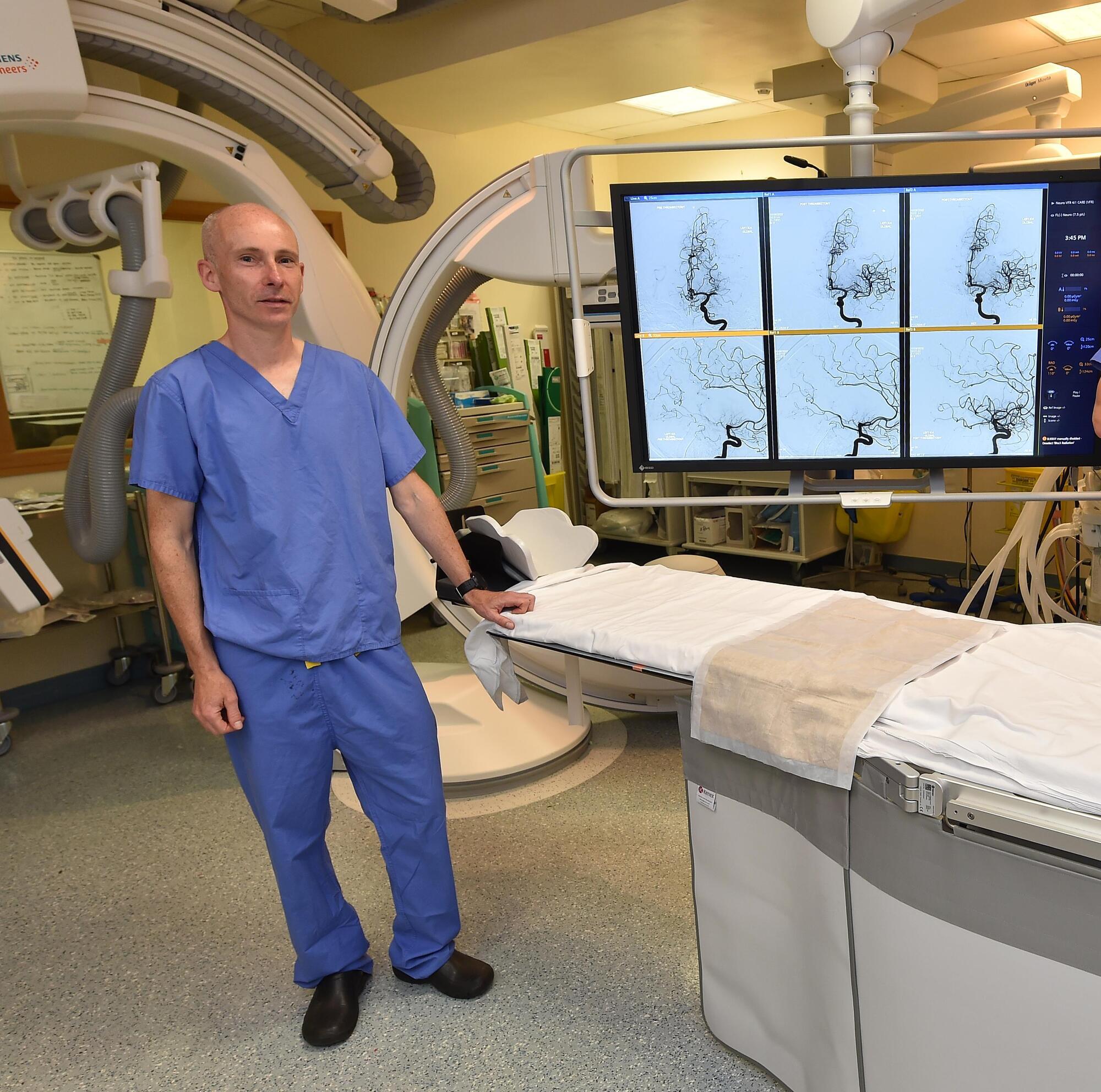
Dr Noel Fanning consultant neuroradiologist in the thrombectomy suite at the Cork University Hospital. Picture Dan Linehan
With huge advances in the treatment of stroke over the last two decades, there is now the possibility of reversing the effects of some of the most severe strokes, bringing patients back to normal living.
This is where thrombectomy comes into the picture, says Dr Noel Fanning, consultant neuroradiologist at the Cork University Hospital (CUH) stroke unit.
It's a relatively new procedure, "an X-ray-guided minimally invasive procedure where neuroradiologists mechanically remove the clot blocking a major artery within the brain".
A neuroradiologist is a doctor who specialises in the diagnosis and treatment of abnormalities in the brain and spine, such as strokes caused by blockage of arteries, brain bleeds caused by aneurysms or arteriovenous malformations. There are only "about seven doctors in the country who can perform the procedure which is very specialised. There are some doctors being trained in this area at the moment".
A thrombectomy is where a thin tube, called a catheter, is inserted into an artery in the groin, and under X-ray guidance, is navigated to the clot site. A special clot retrieval device is inserted through the catheter.
It catches the clot which is pulled out through the catheter. This procedure aims to restore blood flow and minimise brain-tissue damage.
It has been shown to be effective up to 24 hours after the onset of the stroke.
The procedure, available at the stroke centres of CUH and Beaumont Hospital in Dublin, is only suitable for some patients with stroke (10% to 15%.)
Patients likely to benefit from thrombectomy are those with severe stroke symptoms caused by an occluded artery in one of the main arteries supplying the brain. The area of the brain affected has reduced blood supply.
If blood flow is restored quickly enough, normal function can be regained.
"Thrombectomy is hugely effective and can reverse the effect of some severe strokes. Studies have shown it to reduce the death rate from stroke by half and almost double the rate of recovery to independent living.
"However, speedy treatment is critical for best outcomes. The brain can only survive a short time without blood and oxygen."
"Every minute matters. It is estimated that two million neurons are lost every minute after a stroke. By saving a minute in removing a clot, you can on average be expected to gain a week of healthy living, post-stroke. So time is of the utmost importance. Every short interval of time that passes may make some patients unsuitable for treatment if the stroke becomes permanent."
Studies show that when thrombectomy is carried out within three hours of stroke, 50% of patients would be expected to be independent but this declines to 33% by eight hours.
"Time matters greatly in acute stroke care. The 'Fast' campaign was developed to inform the public about the key symptoms of a stroke.
- 'F' is for face droop,
- 'a' is for arm weakness,
- 's' is for speech disturbance,
- 't' is time to call 999 (or 112).
"If you develop signs that suggest a stroke, you should go immediately to hospital. Think Fast, act fast. There is no age limit for thrombectomy and at CUH, we have successfully treated patients as young as three years to as old as 93."
Patients who present to hospitals where thrombectomy is not an option can have their imaging performed at their hospital. Eligible patients can receive standard treatment with intravenous clot-dissolving medicine.
"Patients who are suitable for thrombectomy can then be transferred to the thrombectomy site — a strategy called 'drip and ship.'"
In 2019, 384 thrombectomies were performed in Ireland with 47% of these patients achieving functional independence within three months. There are about 8,000 strokes per year in this country.
A major challenge in stroke care — part of the national stroke strategy — will address how stroke patients can get to one of the two thrombectomy centres as quickly as possible.
Work is underway with the national ambulance service and within stroke medicine, to try to quickly reach people who may be having a stroke so that they can be taken to CUH or Beaumont hospital for the specialist treatment.
The stroke unit at CUH has a good relationship with the other hospitals in Munster. There is a stroke network so that if someone presents to hospital in Bantry, Co Cork, for example, with an acute stroke, the hospital liaises with Cork and the patient is transferred to CUH.
Thrombolysis is a form of intravenous medicine treatment used on patients with a clot in an artery. However, if it's a large clot, there's only about a 10% chance that it will work.
"This treatment would be for patients not suitable for thrombectomy. The idea is to break up the clot. It works better on smaller volume clots. About 20% of stroke patients would be suitable for thrombolysis. The quicker you give it, the better the outcome. It should be given within four-and-a-half hours of the stroke occurring," says Dr Fanning.
Thrombolysis is available in the acute hospitals.
Dr Fanning says he brought "the more advanced neuroradiology procedure back from Toronto in 2007".
"But there were people doing thrombectomies for the last 20 years. However, we didn't have good evidence to show that people did better if they had a thrombectomy done compared to just having intravenous medication. About five years' ago, around six trials came out in a short period of time that clearly showed that for patients with large strokes who had a salvageable brain, there was a benefit from having the blood flow restored (through thrombectomy)."
Thirty years ago, stroke patients had very few treatment options in acute management of their condition: "There has been a lot of progression and a lot can now be done for acute strokes. The idea is to minimise the acute damage and allow patients to recover and to rehabilitate in acute stroke wards and in rehab facilities that allow for maximum recovery."
With a growing ageing population, we're likely to see more strokes occurring. Dr Fanning says that it is challenging to work in this area of medicine given the limited amount of facilities.
"At the moment, with regard to acute management of stroke patients, they should go to an acute unit where their care and recovery will be maximised. If we can get the patient into an acute stroke bed with the appropriate nursing staff as well as physiotherapists, occupational therapists and speech therapists, it will make the patient's recovery as effective as possible."
The new stroke unit at CUH, which is expected to be ready in December, will be a major advance, increasing the capacity of the unit and optimising the rehabilitation side of stroke care.
"Currently, there are significant deficits, particularly in nursing, physiotherapy, occupational therapy, and speech therapy. A significant stroke burden are patients under the age of 65 because of the consequences of stroke in younger patients which can alter their entire life." (One in four stroke patients are under 65.)
The "acute management of stroke is only one component in the management of stroke. If patients are suitable for thrombectomy or thrombolysis, we can improve their outcome. There will be a proportion of patients who will need to undergo extensive rehabilitation. We need to maximise the potential for their recovery."
Jim Kavanagh, who has made a full recovery from an acute stroke, can attribute the vital and timely attention he received to a member of staff at his local supermarket.
“I got a stroke on June 23. I was in my local Tesco in Ballincollig,” he said. “I had an issue with my phone credit and I was waiting for about 20 minutes at the counter.
“The lady in front of me was slow. While I was standing there, my phone fell. I felt my right leg going dead.
“I went forward to the lady at the counter. I was only just able to talk.
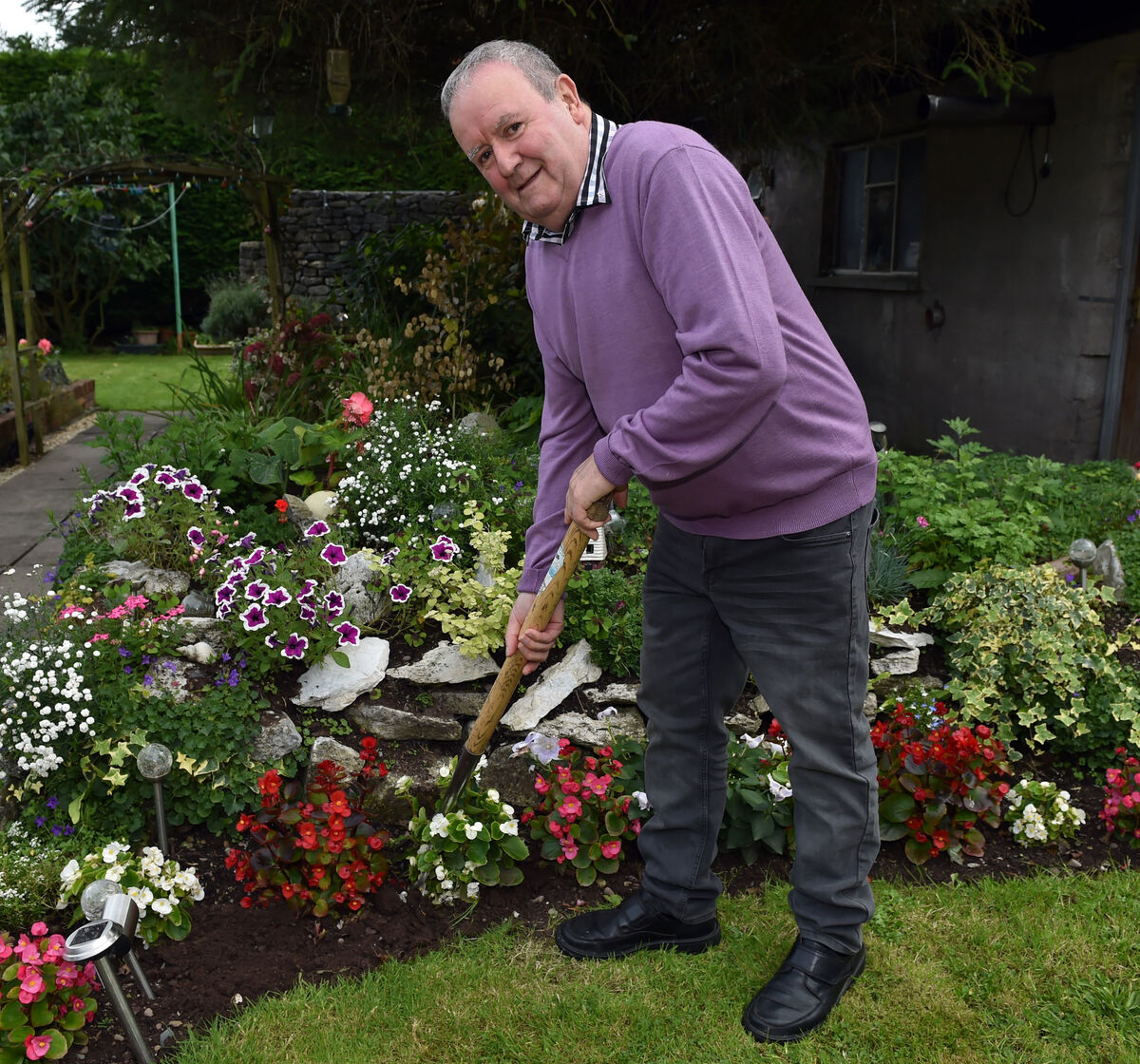
“I stepped back, because of social distancing. Next thing, the lady asked me if I was all right. I said ‘I’m not’.
“She brought a chair out for me. I sat on it. My right hand ‘went’,” said Jim.
“My speech wasn’t completely gone but I couldn’t give my wife’s phone number. The lady in Tesco, who’s a great girl called Levinia Crowley, acted fast because she had experience of someone in her family having a similar incident.”
Very quickly, Jim developed the classic signs of having a stroke.
“Levinia got a supervisor and they rang the ambulance. It was all very fast. The ambulance was there in about 20 minutes and there was a doctor in it. My son was there as well. I was conscious all the way into CUH,” said Jim.
“They brought me to x-ray and they found out I had a fairly bad blockage in my neck and some of it went to my brain. It was in the main artery, the M1, going to the brain. So I had a thrombectomy.
I thought I was conscious during the thrombectomy but I couldn’t really have been. I remember waking up after it and seeing Dr Noel Fanning [consultant interventional neuro- radiologist].
“I was one of the lucky ones. I made a marvellous recovery. I was able to go to the bathroom by myself in the morning. I was also able to speak. I knew the power was back in my right leg,” said Jim
“The nurse didn’t want me to go to the bathroom on my own but a doctor said to leave me go. The funny thing about all this is that I was very calm.
“Before the stroke, I had no pain. Now I wasn’t in the best of form but I couldn’t tell you what was wrong with me. I had pains in my elbows and shoulders but that was just joint pain. I used to get cramps fairly regularly. I haven’t got them since.”
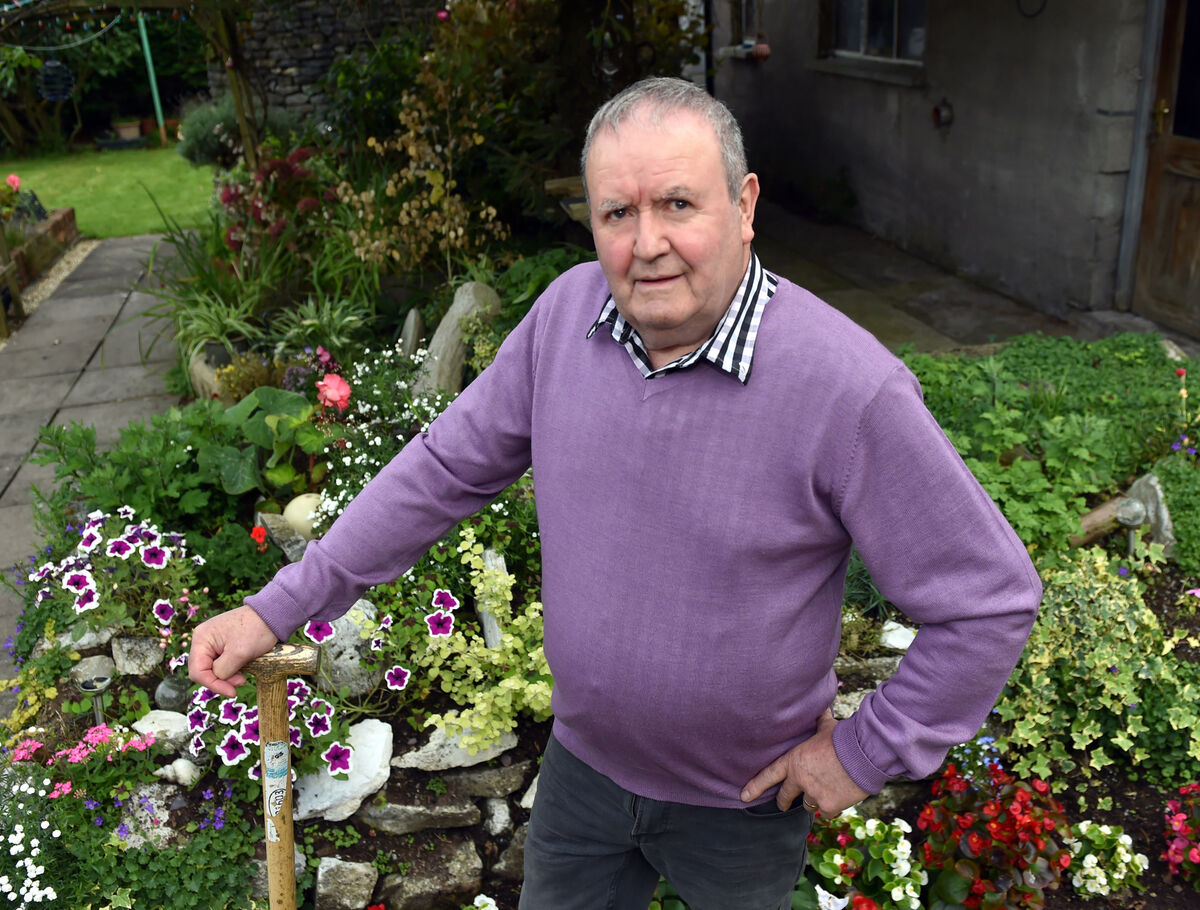
“I went in on June 23 around 6pm and I was discharged on June 25. When Dr Liam Healy [consultant in geriatric medicine and neurology] used to come into my ward, he’d look at me and shake his head, saying how lucky I was. I was told that I had had a terribly big blockage. But to me, it was as if nothing had happened. I did have some swelling in the knee. I don’t know why that happened at that particular time.
"It was a baker’s cyst. If there hadn’t been the speed of things happening and the thrombectomy, I don’t know what would have happened. I really realised how lucky I was when I saw people in the hospital who’d had strokes. Some were heavier than me. Some were older than me. I’m 5ft 7in. I was 14 stone when it happened. I’m 13 and half stone now. I definitely think someone from above was looking after me. I was blessed,” he added.
“I got down some weight because my body mass index was a bit high. I used to have a bit of a tummy but that’s gone down now.
“I’d be curious to find out why the stroke happened. I never smoked so what caused all that blockage? I’m on a blood pressure tablet but that wasn’t an issue because my blood pressure — and my cholesterol at 4.6 — were perfect, before and after.
“At the hospital, they were so confident about me that they said I could go back to work. I’m retired but I was able to get back to my gardening. The only thing I had to do was go back to outpatients.
“I’m terribly grateful to first and foremost, Levinia Crowley — and the ambulance team and the doctors and nurses,” he said.
CONNECT WITH US TODAY



Be the first to know the latest news and updates