Union leaders warn that greater use of AI risks shutting workers out
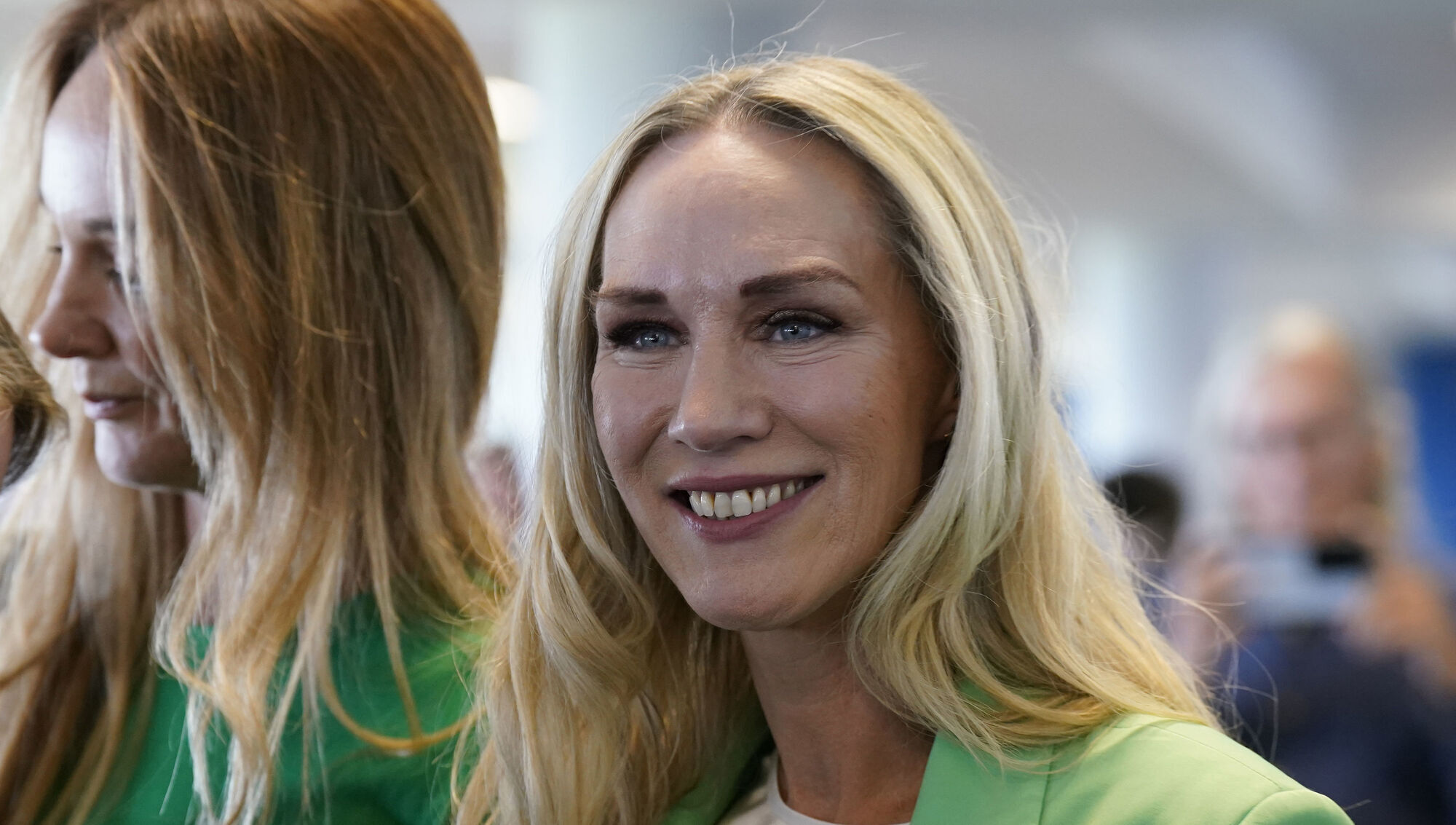
Fianna Fáil senator Dee Ryan said the Government is 'absolutely focused' on competitive AI development due to the multinational tech presence in Ireland. File picture: Niall Carson/PA
Trade union leaders have expressed concern that increased use of artificial intelligence in the workplace could lead to a breakdown in social cohesion and “shut out” workers.
Union leaders told the Joint Oireachtas Committee on Artificial Intelligence that AI could be used as a means to make a “quick buck” at the expense of workers.
“We would emphasise the need to focus on technology for exploration... rather than technology for exploitation and simple cost saving,” said Owen Reidy, general secretary of the Irish Congress of Trade Unions.
Mr Reidy said AI could spur a rise in inequality, job polarisation, and a "loss of agency and voice for workers."
“If these outcomes were to come to pass, we are looking at a breakdown in social cohesion," he said. "We think that Ireland is particularly at risk from potentially transformative changes, given the high level of knowledge-intensive and professional jobs.”
Read More
Ryan McKinney, Fórsa’s lead on AI policy, referenced a recently published study from UCD on AI in the Irish workplace.
The report surveyed 4,300 workers and found that most employees' use of AI resulted in creating time to take on more work, rather than using it to achieve a better work-life balance.
A third of workers said their pace of work intensified because of AI, with only 4.7% reporting any increase in their earnings for using AI.
Half of those who used AI in their work to save time said their work gets reinvested in more routine, repetitive tasks — a situation which could lead to job displacement, according to the report.
“We stand for frameworks that are negotiated before systems are deployed and applied to the systems that are already in use," said Mr McKinney. "We stand for no AI adoption premised on cutting jobs.”
Members of Government pushed back against the technology’s perceived threat to jobs.
Fianna Fáil senator Dee Ryan said the Government is “absolutely focused” on competitive AI development due to the multinational tech presence in Ireland.
“It's vital for Ireland from an economic perspective to ensure that, notwithstanding, we want to ensure job quality,” Ms Ryan said.
Fianna Fáil TD Malcolm Byrne suggested that AI should factor into ongoing negotiations between the State and public sector bodies over a new pay deal, as part of efforts to boost worker productivity.
“My argument has been that it's going to be increasingly difficult to protect specific job roles because of the major change... An overemphasis on protecting titles is going to be difficult because the transformation is going to be huge," he said.
“Public servants have used AI quite effectively to be able to better deliver public services. I certainly believe it has to be a key part of the public sector pay talks about the use of AI in a responsible way,” he said.
Mr Reidy said unions believed AI use was being mandated by their employers without their consent.
"What was very clear was unions were saying, ‘It's happening to us in the public service without us. It is being done to people and not with them. And if that continues, people will kick back'.”

CONNECT WITH US TODAY



Be the first to know the latest news and updates