Public sector strike can be avoided, says minister
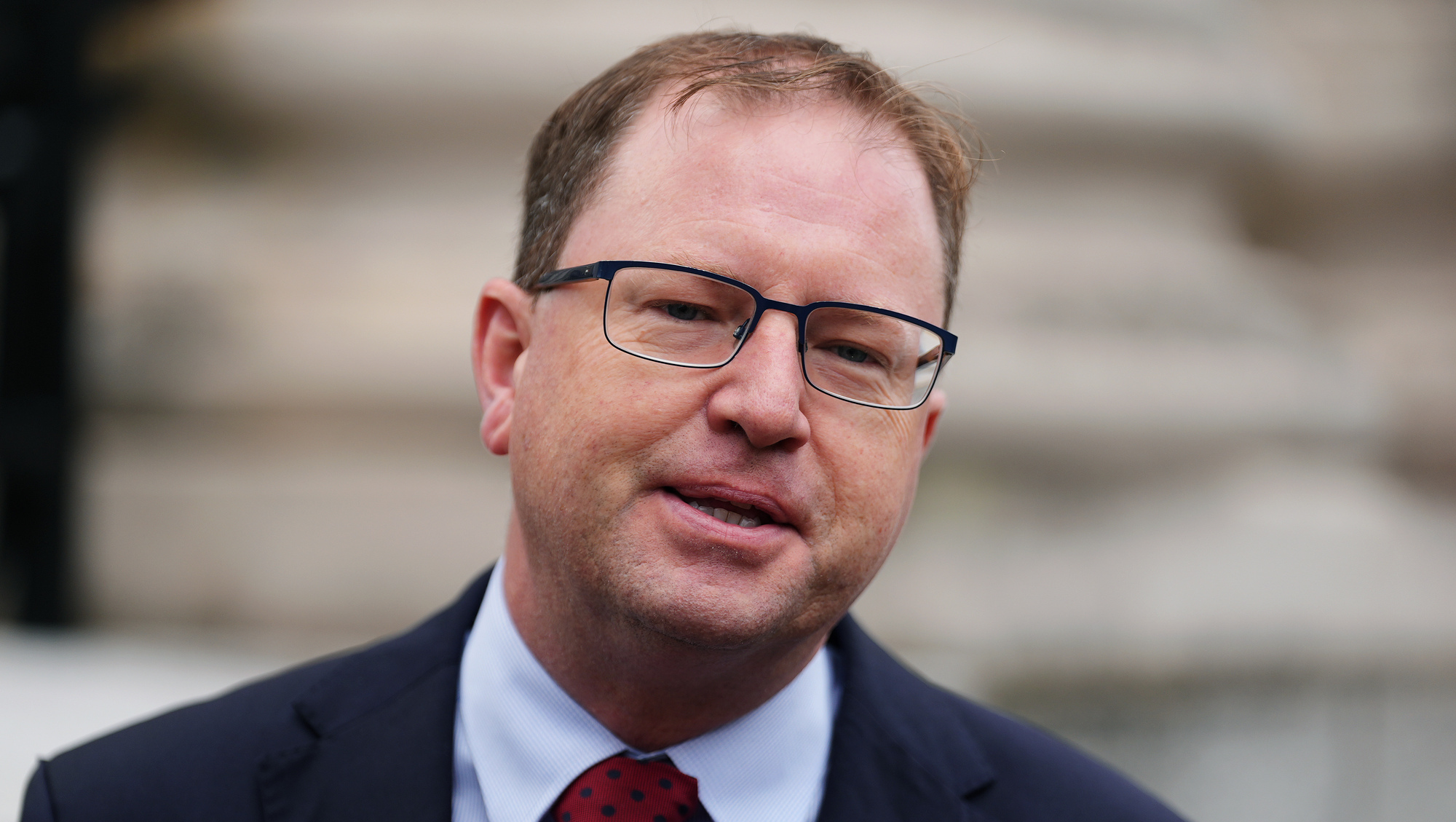
Higher education minister James Lawless: 'Come in and talk. Come in to the table. There’s a table waiting for you, and Government is ready to meet you'. Picture: Brian Lawless
This week's public sector strike can be avoided, a Government minister has said.
Nurses, doctors, teachers, civil servants, and other workers are set to take part in a 24-hour work stoppage on Wednesday to protest the lack of a new public sector pay agreement.
It will be the first wider public sector strike since 2009. A second strike is planned for October 21.
On RTÉ's , higher education minister James Lawless said the strike can be avoided, though he accepted that it is very likely to happen.
Mr Lawless said the Government had committed €1.2bn to a new deal and that there is "a table waiting" for unions, with whom he had "great sympathy".
"The State is a good employer," he said, adding: "The average wage of a public sector worker is far higher than that of a private sector worker".
“What I’d say to the union leadership is: 'Come in and talk. Come in to the table. There’s a table waiting for you, and Government is ready to meet you.'”
Speaking on RTÉ’s programme, INMO general secretary Phil Ní Sheaghdha said services will be disrupted.
"Minimum disruption is everybody’s aim, [but] there will be cancellation of non-urgent services such as outpatients and other day services.
"But essential services will continue. Services like dialysis and cancer services."
There will be no Dáil sitting on Wednesday after an emergency meeting of the Dáil's business committee took place on Saturday afternoon agreeing to suspend the planned sitting.
The cancellation follows the unions’ decision not to grant Leinster House staff a derogation to continue working next Wednesday, when public sector strikes are due to take place nationwide.
There had been uncertainty over whether the Dáil could sit if a picket took place, with Taoiseach Micheál Martin arguing that Oireachtas staff should be exempt from the industrial action.
Mr Martin described the operation of the Dáil as an “expression of the democratic will of the people”, comments which were met with dismay in union circles.
CONNECT WITH US TODAY



Be the first to know the latest news and updates