Budget 2027: €5k boost to new home grant — but first-time buyer stamp duty won't be scrapped
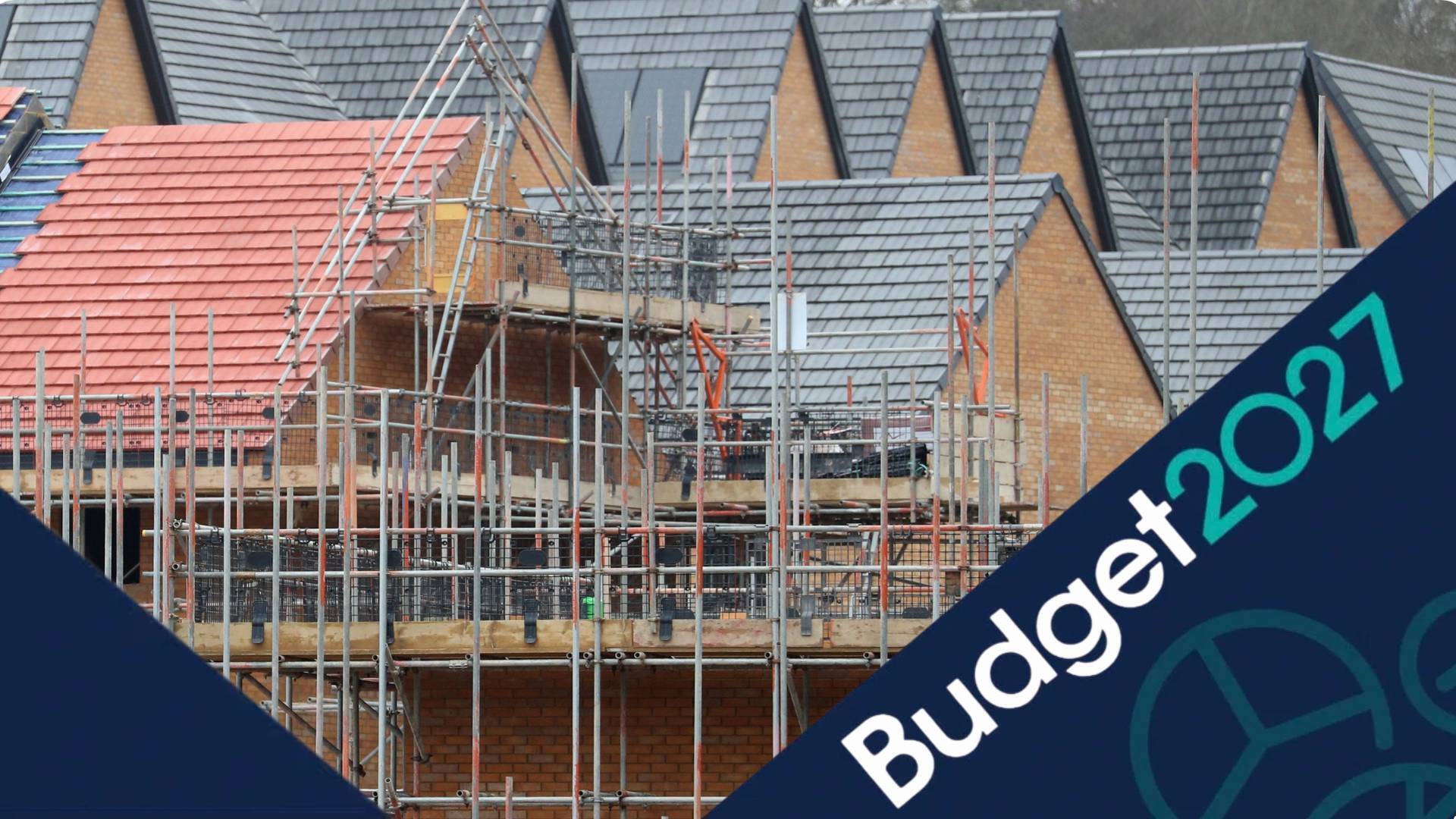
The help-to-buy grant for new homes will be boosted by €5,000 in today's budget. File picture
A €5,000 hike in the help-to-buy grant for new homes is to be announced as part of today’s budget; however, those purchasing second-hand properties will miss out after a proposal to scrap stamp duty was dumped at the last hour.
After days of wrangling during “tense” negotiations, finance minister Simon Harris and public expenditure minister Jack Chambers will unveil a €8.5bn package this afternoon which will include significant childcare cost reductions, a €10 increase in social welfare payments, changes to income tax thresholds, and a €150 universal cut in third-level fees.
Budget 2027 is expected to put around €1,500 back into the pockets of an average household where both people are on €50,000 a year, while families of young children will see further benefits.
Among the main changes due to be announced on Tuesday afternoon are:
- An expansion of the national childcare scheme, to cap charges at €550 per month up to senior infants, saving parents around €1,000 in creche fees a year;
- An increase in the higher income tax threshold to €46,500;
- 400 new Defence Forces recruits alongside almost 100 civilian and civil servant specialists;
- The introduction of a shingles vaccine programme for immunocompromised groups;
- The rollout of a new savings and investment account;
- A €150 increase in the rent tax credit, rising to €1,150 for a single person and €2,300 for a jointly assessed couple;
- An extension of fuel supports for farmers, farm contractors, and fishermen;
- Increases to inheritance tax thresholds, which will now be set at €420,000 for band A, €44,000 for band B, and €22,000 for band C.
Party leaders remained at odds on measures to help people get onto the property ladder, with Fianna Fáil leader Micheál Martin strongly pushing to axe stamp duty to support those who buy an older home. This issue had been discussed across the weekend and remained unresolved as the coalition leaders met for a final time yesterday afternoon, where several options were put forward as part of a wider tax package.
Read More
Going into that meeting, Mr Harris, who had repeatedly ruled out tinkering with the levy on second-hand homes, said: “I have made my views clear in relation to [stamp duty]. I haven’t changed my views.”
In what was described as a “compromise” move, it was agreed to increase the help-to-buy grant from €30,000 to €35,000. One source suggested that those purchasing older properties can, in some cases, avail of the vacant homes grant of up to €50,000.
The Government has framed Budget 2027 as one which will support workers, help families, and ease the cost-of-living crisis.
While many ministers had vented frustration over Mr Chambers’ cost-saving demands, social protection minister Dara Calleary is among the winners, receiving an allocation to hike pensions, job seeker’s allowance, and other social welfare payments by €10.
He has also received funding for a €3 increase to the living alone allowance, and €5 will be added to the weekly fuel allowance payment, with changes to the means test for single people over 66.
A much-talked-about cost-of-disability payment will be delivered early next year in one €500 lump sum.
There will be an adjustment to the carers allowance means test, with the weekly income disregard increasing to €1,150 for a single person and €2,300 for a couple.
The Government has also agreed to pause any further carbon tax increases on kerosene for the remainder of this term.
However, culture minister Patrick O’Donovan, who walked out of meetings late last week, has not secured funding for a touted €100 culture credit for 16-year-olds and instead has been asked to develop the measures further.
Meanwhile, it was unclear on Monday night whether the €1bn overspend in the HSE will be built into the Department of Health budget for 2027.
There will be improved access to oral health and orthodontic services, with eligibility for the free contraception scheme increased from age 35 to age 37.


CONNECT WITH US TODAY



Be the first to know the latest news and updates