Chambers ‘doesn’t care’ what he is called by Fianna Fáil colleagues after 'Thatcher' jibe revealed
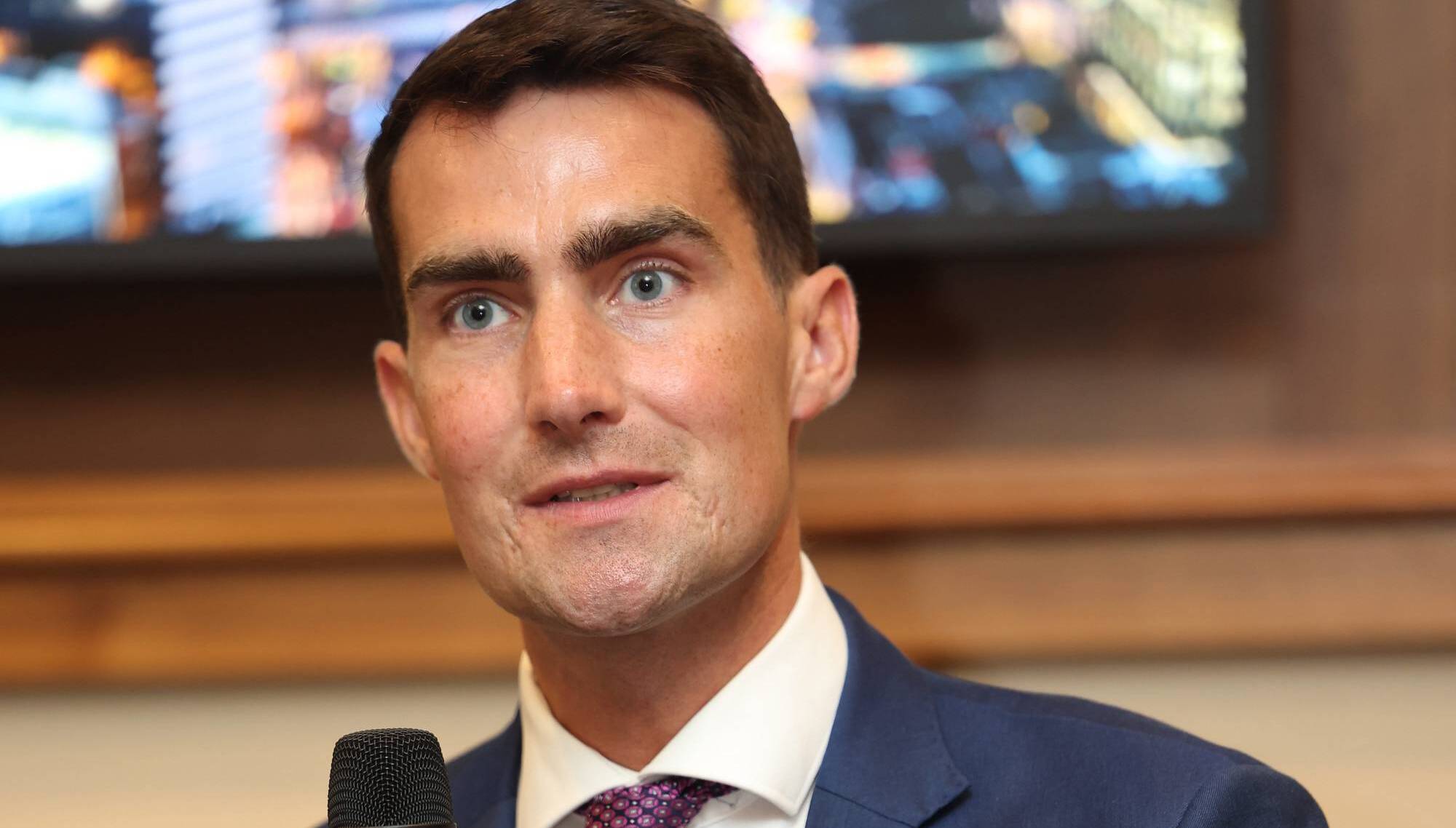
Asked about the monikers, Mr Chambers noted 'no one has called me any name to my face', but rather were 'kind and also very supportive'. Picture: Damien Eagers
Public expenditure minister Jack Chambers has said he “doesn’t care what I'm called in private” as colleagues frustrated by the budget process likened him to Margaret Thatcher.
As reported by the Irish Examiner at the Fianna Fáil think-in, one of his colleagues had joked the public expenditure minister was becoming "Jack Thatcher" as terse budget negotiations continue.
Another newspaper noted ministers were now referring to Mr Chambers as “Mr No” as frustration grows over the budget.
Asked about the monikers, Mr Chambers noted “no one has called me any name to my face”, but rather were “kind and also very supportive”.
“I don't really care what I'm called in private, to be frank,” he said. “I have an important job to do. Ultimately, spending more everywhere undermines our ability to deliver critical areas of the programme for government.
“I want to ensure we make progress on childcare, that we are able to deliver an income tax package, that we're able to deliver better public services and drive greater efficiency and reforms.”
Read More
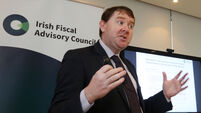
Elsewhere, the public expenditure minister shot down the Irish Fiscal Advisory Council’s (Ifac) suggestion to end annual budget battles by introducing multi-year funding allocations to departments.
Ifac chairman Seamus Coffey said rather than “having these rounds of negotiations or fighting over the additional spending every year”, the Government should “give departments the ability to plan over three or four years”.
However, Mr Chambers likened this to handing over a “blank cheque”.
“I was more focused on driving efficiencies and reforms and improved productivity around our wider public expenditure than just guaranteeing a blank cheque for three to four years for different Government departments or agencies,” he said.
“The business needs of Government will change. Different political priorities will emerge, where there'll have to be trade-offs and choices.
“If Government wants to reprioritise an area of spend in any given year, if you have a guaranteed multiannual framework sitting beside every expenditure area, that provides a huge limitation on Government to reprioritise spending or to advance different objectives in the programme for Government.”
Mr Chambers said Ifac was “correct in promoting greater fiscal discipline” but argued its suggestion would “undermine the drive for efficiencies”.
Elsewhere at the Ploughing, junior housing minister John Cummins downplayed reports the Help to Buy grant could be extended from €30,000 to €50,000.
“I think we have to consider potential inflationary pressures that might arise in that space,” he said.
“Certainty in terms of the housing sector is critical at the moment. We certainly don't want people holding off purchasing homes or completing homes as a result of pension changes in the budget.”
Meanwhile, Taoiseach Micheál Martin has said Ireland is exploring "challenging" new EU taxes to fund the bloc's next €2trn budget.
Speaking alongside European Council President Antonio Costa, Mr Martin said "difficult decisions and difficult compromises need to be made by all member states" in deciding which of the taxes will be adopted.
Speculation has centred on ideas such as a digital services levy and EU-wide tobacco levy, but Mr Martin said a range of things need to be considered as the multi-annual framework was negotiated.
“Europe needs a budget that is forward-looking, meeting the new challenges we face together, while also ensuring continuing support for its traditional and successful policies, such as CAP and cohesion.
“We also need a budget that is realistic. Public finances in many member states are under pressure.
“So, in addition to the traditional national contributions, we are also exploring whether there are new forms of revenue available that could make a contribution.”

CONNECT WITH US TODAY



Be the first to know the latest news and updates