Government may stall carbon tax rise due in October, minister hints
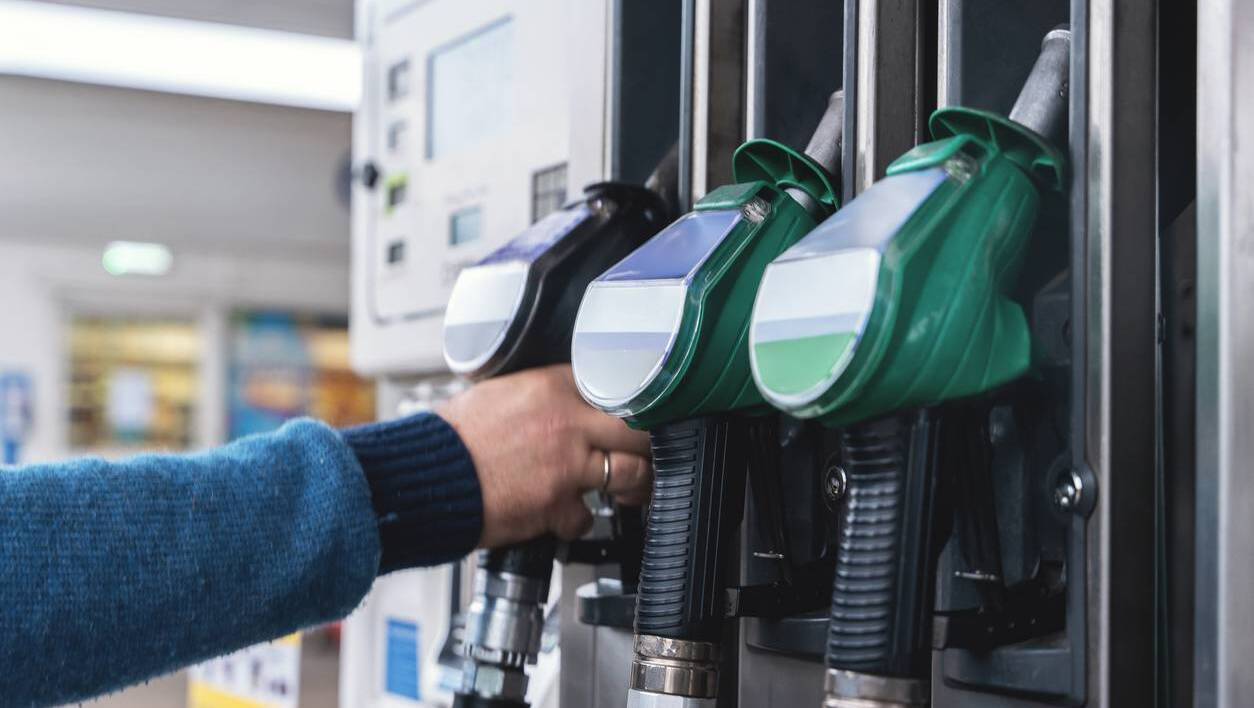
Planned increases in carbon tax that were due to have come in on May 1, 2026, were postponed until October 14
Minister of state at the Department of Transport Seán Canney has hinted the Government could “stall” the forthcoming carbon tax rise.
The Galway East independent TD, who is the leader in cabinet for the independent ministers, was asked what independents aligned with the Government would want from the forthcoming budget.
While he said he did not want to speculate, he said the Government wanted to “do the best for our citizens”.
This could include stalling carbon tax increases that could see a €4.86 rise in the price of a tank of petrol and €5.76 in the price of a tank of diesel by 2030, he said.
It could also lead to large rises in home heating oil.
Planned increases that were due to have come in on May 1, 2026, were postponed until October 14 — which is after the 2027 budget on October 6.
He said that “whatever is affordable will be done”.
Speaking in Dublin at the informal meeting of EU transport ministers in Dublin Castle, he said: “We are working on the budget at the moment and I don’t want to speculate
“It is time for us to sit down and see what we can do best for our citizens, whether that is stalling carbon tax or whatever is necessary — we will do it.
“Whatever is affordable, will be done.
“It is important to say that I don’t want to create an expectation on anything.”
Read More
He added: “We are in there with meaningful discussions. There are bilaterals going in each department and that is how the budget will be formulated — by having discussions and seeing what the asks are, what the needs are.
His comments are the latest from Government figures hinting at some fuel-related measures designed to ease pressure on people affected by the ongoing fuel crisis.
Earlier, he revealed the requirement for owners of e-scooters to register them could be brought in via “emergency legislation”.
The minister said he was pressing ahead with moves to classify e-scooters as mechanically propelled vehicles, which would then require them to be registered.
“We’re looking at redefining an e-scooter and making it a mechanically propelled vehicle, which in turn will mean it would have to be registered.
“That detail is being worked out at the moment, and I hope to bring something forward on that in terms of legislation, either in the committee stage of the bill and bringing it through at the moment, or as emergency legislation.”
Reclassification could lead to requirements such as licences, tax and insurance for their use.
Previously, however, Mr Canney conceded that it might not actually be possible to actually insure e-scooters.
Added to that, transport minister Darragh O’Brien has previously cautioned against introducing “overly stringent” regulations on e-scooters that effectively bring in a de facto ban.
He said there needed to be “further discussion” as far as their reclassification was concerned.
Mr Canney also said he was shortly due to sign into law the requirement that only people aged 18 and over could drive an e-scooter on public roads.
EU approval for the move was recently secured by the Government, he added

CLIMATE & SUSTAINABILITY HUB
CONNECT WITH US TODAY



Be the first to know the latest news and updates