€115m accounting system a critical risk as it makes things worse for civil servants using it, report says
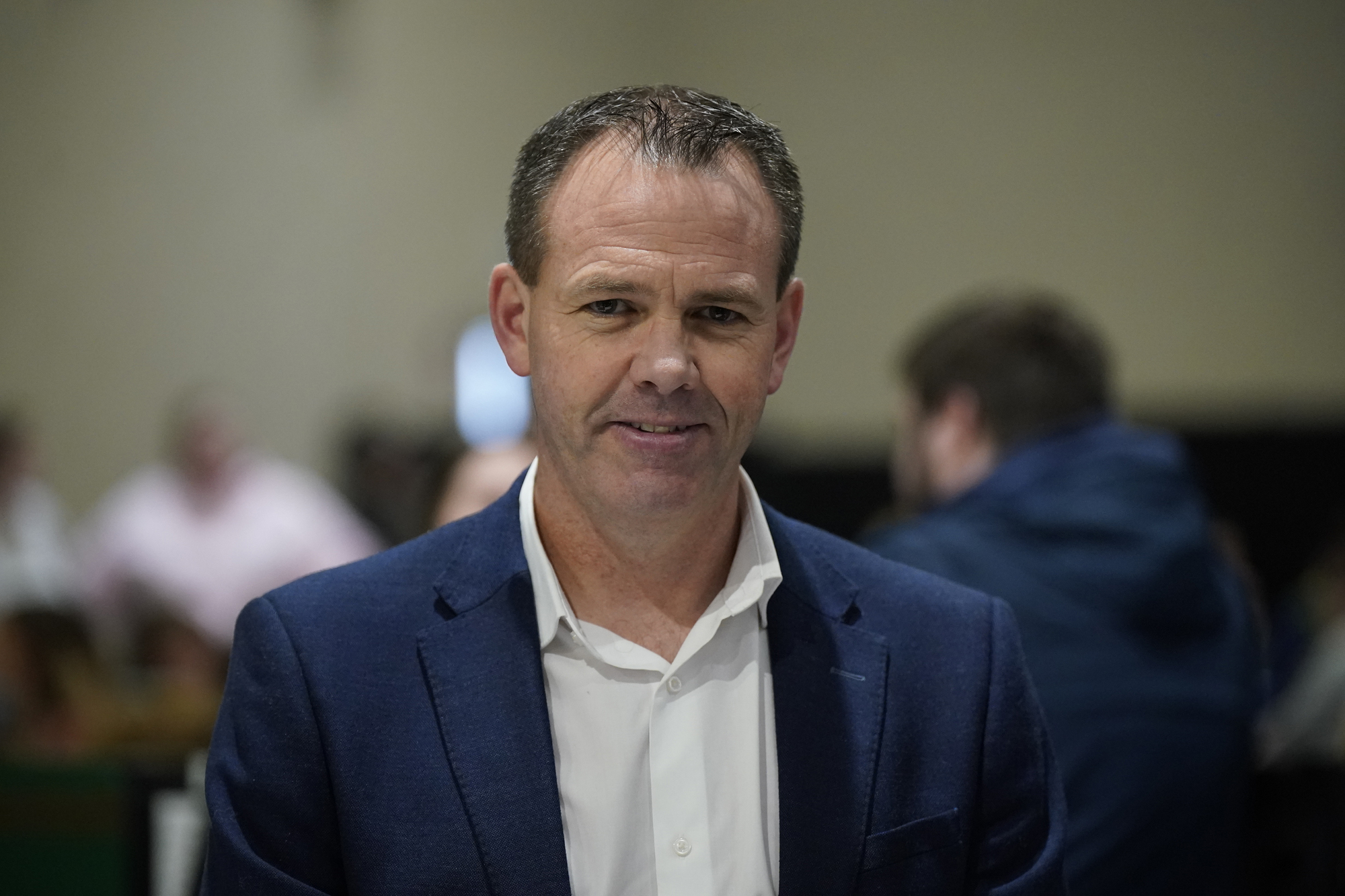
Sinn Féin TD and chair of the Public Accounts Committee John Brady said the delayed project resembled many other State IT projects that have incurred significant cost overruns and stymied deliveries.
A €115 million accounting system for the civil service is actively damaging labour productivity across different arms of the State and is classified as a critical risk by the Department of Public Expenditure.
The Financial Management Shared Services (FMSS) was first commissioned in 2016 and expanded in 2022 with the intention of centralising accounting practices of different Government departments and officers — but is now unlikely to be rolled out in full this decade.
The risk register warned the system was hampering civil service productivity.
“Ten Votes (State financial units) are currently using the system with much difficulty as the FMS technology and ways of working has increased the admin burden of client departments without producing any compliance benefits as well as materially decreasing the labour productivity of its clients' staff,” wrote Kevin O'Brien, the Principal Officer in the Government Accounting Unit.
The department also warned of the reputational risk to the National Shared Services Offices (the State body implementing the accounting overhaul), and “its ability to deliver complex digital projects designed to improve the efficiency and the productivity of the Civil Service”. The NSSO declined to comment on questions from the .
Sinn Féin TD and chair of the Public Accounts Committee John Brady said the delayed project resembled many other State IT projects that have incurred significant cost overruns and stymied deliveries.
“This is a €115 million project, with circa €100 million already spent, yet the system remains only partially operational and has actually increased the administrative burden on departments,” Mr Brady told the . “The project is well behind schedule, with further implementation delayed and no clear timeline for full rollout.
“This is deeply concerning and raises serious questions about planning, oversight and accountability when such significant amounts of taxpayers’ money are being spent. How can it be that €100m of taxpayers’ money has been spent on a system that is not only incomplete, but appears to have made things worse for the departments expected to use it?”
Other critical risks the department flagged included the construction industry’s limited operational capacity, international accommodation pressures in handling Ukrainian refugees and soaring spending by the Department of Health and Education.
In recent days, minister for public expenditure Jack Chambers spoke to media about his aims to quash cost overruns in the HSE, which his department now considers a rising risk. Health expenditure now accounts for around 26% of the national budget, with the HSE currently €580m over budget as of the end of July.
“State investment in the health service has increased by 85% over the last decade, from €14.8bn in 2017 to €27.4bn in 2026, representing average annual growth of 7.1%,” the report wrote.
“Despite this significant level of funding, activity and output have not kept pace with this funding increase and the health sector continues to fail to manage within its budgetary allocation. This unsustainable level of health expenditure does not align with the clear medium-term expenditure ceilings set by Government.”
The Department of Expenditure also flagged concern with the Department of Education’s ability to appropriately manage reforms to special educational policy, specifically its “front-loaded” SNA allocation model.
The model seeks to allocate SNAs based on a school’s care profile rather than individual students. The department warned a failure to implement the front-loaded model could lead to “unsustainable expenditure growth”.
CONNECT WITH US TODAY



Be the first to know the latest news and updates