Social media firms seldom acted on reports of disinformation during 2025 presidential election
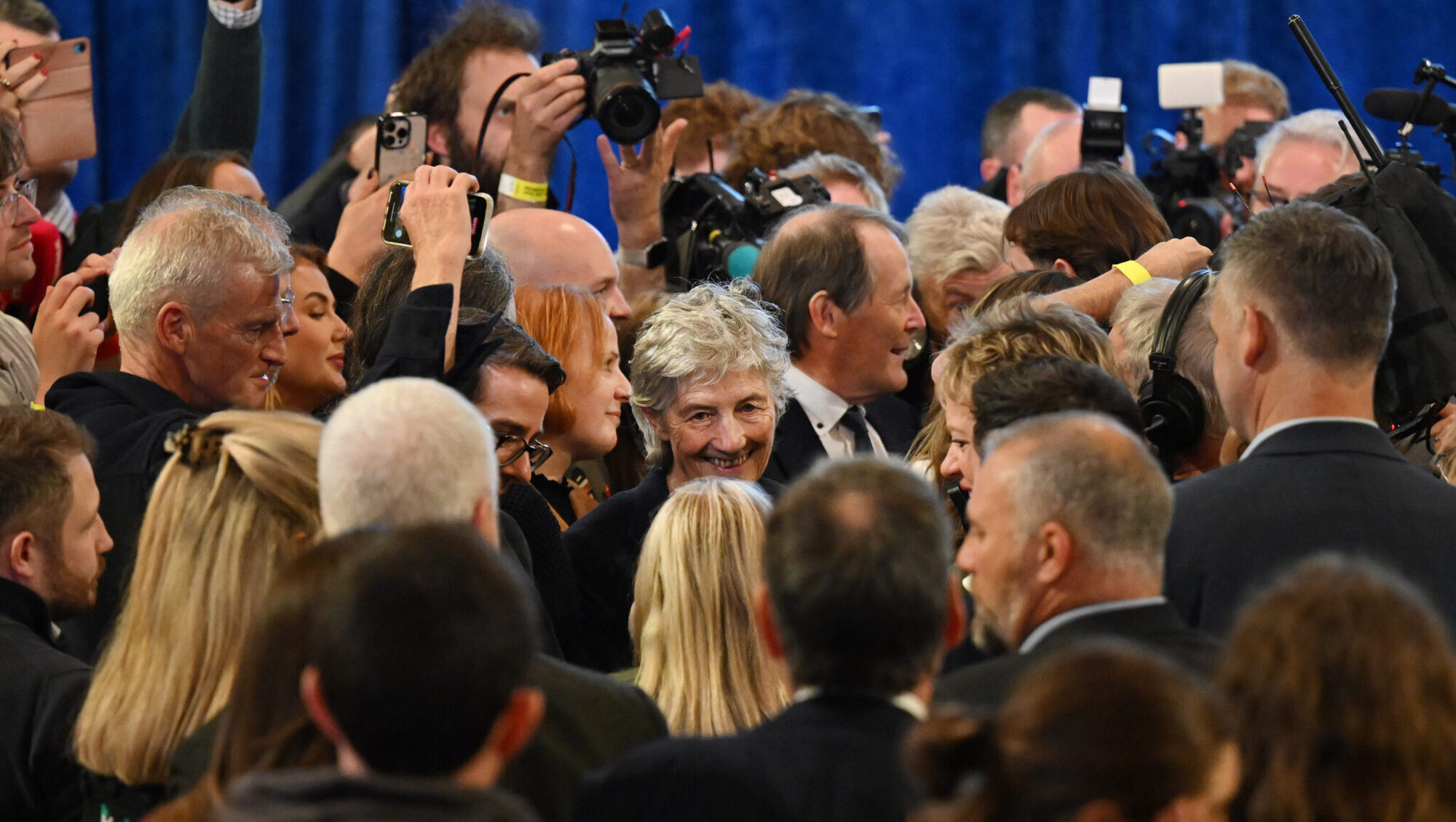
Highlighted posts included deepfakes of then-presidential nominee Catherine Connolly announcing her withdrawal from the election. File photo: Charles McQuillan/Getty Images
Social media companies rarely acted upon flagged cases of electoral disinformation during the 2025 Irish presidential election, according to a new report by the European Digital Media Observatory (EDMO) Ireland.
Over the course of the election, EDMO Ireland found roughly 177 instances of posts or activity that appeared to violate social media companies' guidelines.

The incidents were broken down into 85 counts of election-related disinformation, 26 of AI-generated election content, 13 of harassment and abuse, incitement to violence (two), illegal election-day content (49), and issues relating to political advertising (two).
Of the 85 counts of electoral disinformation, EDMO found social media companies only acted on 12 of the complaints.
Highlighted posts included deepfakes of then-presidential nominee Catherine Connolly announcing her withdrawal from the election, which caught widespread attention a week before the presidential election.

Other flagged incidents by EDMO included pictures of ballots posted on election day (where the three faces on the ballot were often defaced), a video of former Taoiseach Leo Varadkar being harassed in Dublin, AI depictions of candidates, and false claims about the mechanism of the presidential nomination process.
The EU Digital Services Act recommends platforms direct users to official election information, demonetise disinformation and reduce its visibility, tackle fake accounts, and help users evaluate information.
Over the course of the election, EDMO was involved in a ‘Rapid Response System’ involving participating platforms self-regulating their content. X had pulled out of the commitment.
Participating platforms agreed to file an expeditious response to issues flagged by EDMO and promised to provide the rationale behind decisions to moderate content. EDMO found the social media companies rarely took advice on board.
“While items were reported as potential breaches of platforms’ own terms of service, platforms were repeatedly unable to explain inconsistencies in the application of their own rules," the report wrote.
“Signposting to authoritative sources, corrective information, and other proactive information integrity efforts were poor across all platforms.”

Facebook (54 cases) and TikTok (50 cases) were seen as the worst offenders when it came to platforming guideline-violating content, actioning 44% and 54% of flagged cases. LinkedIn had seven cases flagged but did not act on one.
The report said Facebook’s failure to moderate content was surprising, given their parent company Meta was partnered in a fact-checking operation with digital news site .
“Meta does not seem to have applied The Journal’s factchecks to obvious cases of disinformation,” the report wrote.
“Six items with variants of this claim were reported to Meta along with a factcheck by The Journal. Yet the platform repeatedly declined to take action against the posts, stating that it did not violate their terms of service, without elaborating further.”
Meta did not directly respond to requests for comment from the .
TikTok said 97.5% of violating content in the lead-up to the election was removed before it was first reported. The platform says it continues to collaborate with “trusted external partners” like fact-checkers to moderate its content.
YouTube said it “reviewed all reports received and removed those that violated our policies".
According to LinkedIn, the platform received three reports containing a total of nine pieces of content. One piece of content was removed, while the other eight pieces of content complied with company policies.