All-island euro would benefit businesses and consumers, says Simon Harris
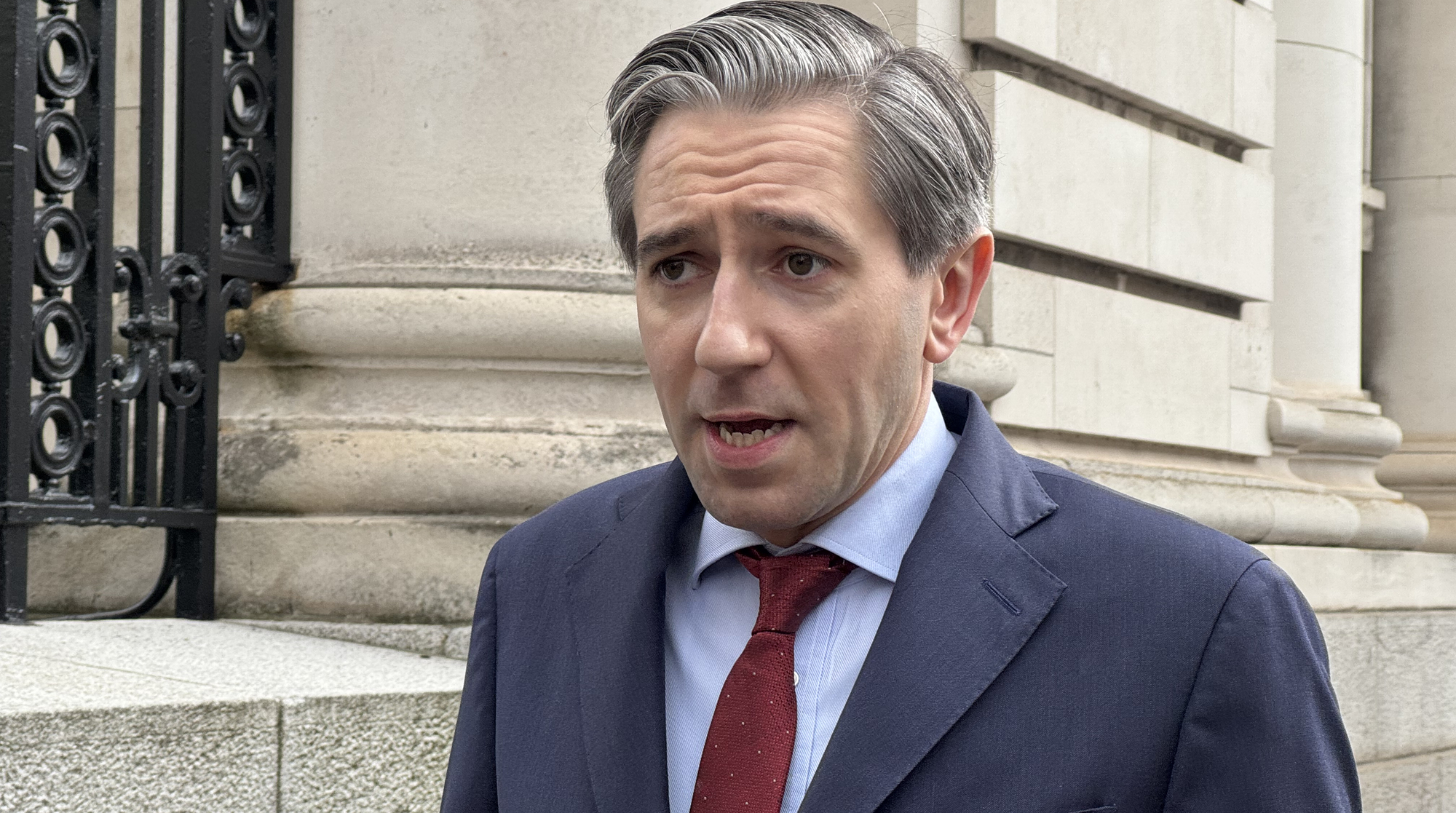
Tanaiste Simon Harris cited a transition to the euro as a major benefit as it would reduce transaction costs for businesses and customers.
Rolling out the euro on both sides of the border would have significant economic benefits for businesses and consumers, the Tánaiste has said.
Highlighting a number of economic positives a united Ireland would bring, Simon Harris said: "The question is not simply what a united Ireland would cost, but what a united Ireland could create."
Speaking during a Dáil debate on the fiscal implications of unification, he said that "if and when, and I believe when" a border poll is called, issues around an all-island economy will come to the fore.
Mr Harris pointed out that studies have arrived at very different conclusions based on assumptions around which public spending obligations might transfer to the new Ireland; what tax codes might be applied; how Northern Ireland's economy might develop; and the extent, if any, of ongoing UK fiscal commitments.
He said a DCU and Ulster University study estimated that reunification could cost an initial €3bn each year, but that a unified economy could break even within five to nine years.
Mr Harris also pointed to more pessimistic outlooks and research from the Institute of International European Affairs that projected an annual cost of up to €20bn for the State for up to 20 years.
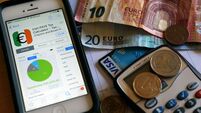
The Tánaiste cited a transition to the euro as a major benefit as it would reduce transaction costs for businesses and customers. He singled out services as "one of the most significant opportunities", as the sector accounts for the overwhelming majority of economic activity across the island.
Welcoming the discussion, Sinn Féin leader Mary Lou McDonald said Irish unity represents the "greatest economic opportunity in the history of this island" as opportunities are created when markets are enlarged.
Pointing to the constraints caused by two jurisdictions with two tax systems, two sets of regulation, duplication of public services, and fragmented infrastructure, she said this is an opportunity that "cannot be missed, it must be grasped".
Labour TD Ged Nash said there must be less of a focus on the romanticism and what he called the "Kneecap-isation" of a united Ireland, as people will want and need to know the economic impacts of unity.
Social Democrats TD Cian O'Callaghan said unification "should never come down to simply a question of who pays". He said that Northern Ireland's economy has "underperformed" for a century and joining north and south would offer incredible economic opportunities.
But he warned the unification could also bring additional security challenges that would need to planned for and sufficiently funded. "Even with these increases, we will not replicate the British model of defence spending," he said.
Highlighting the importance of the discussion, Fine Gael TD Emer Currie said people will not simply vote on history and identity but will weigh up the economic proposition of a united Ireland.
- Elaine Loughlin, political editor
CONNECT WITH US TODAY



Be the first to know the latest news and updates