Government plan to abolish Triple Lock not a 'done deal' opponents claim
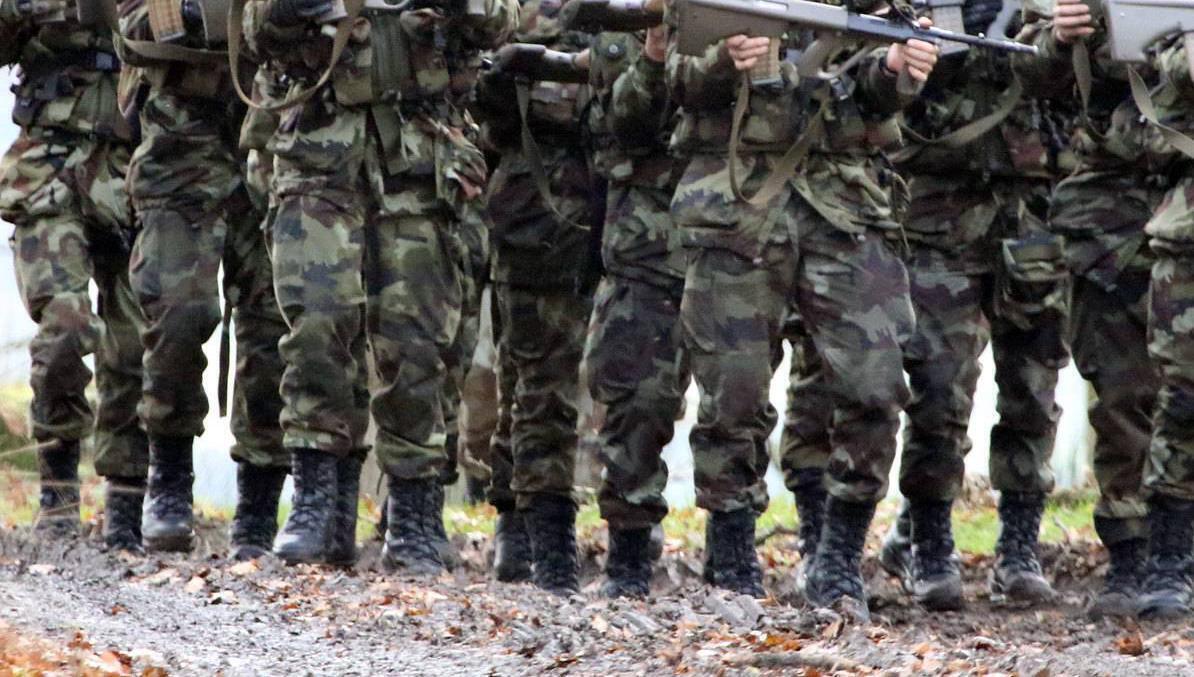
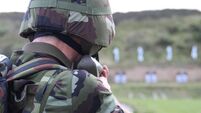
Generic Stock Defence Forces, action, training, soldiers, Air Corps (UJuly 2020)
The Government's plan to abolish Ireland's Triple Lock is not a “done deal” and can be stopped, according to speakers at a webinar organised by the campaigning platform Uplift.
Activists who attended were urged to help “flip” 11 Government TDs and persuade them to either vote against or abstain from voting for the forthcoming Defence (Amendment) Bill 2025.
Uplift programme director Brian Cutherbet said those TDs could be crucial in any move to defeat the bill.
It proposes to remove one of three steps Ireland currently has to go through before more than 12 members of the Defence Forces can be sent abroad on missions, such as peacekeeping exercises.
The first of the three steps is the requirement for a government sign-off, the second is Dáil approval, and the third is authorisation from the UN Security Council (UNSC).
But the bill proposes that UNSC authorization should no longer be needed and that the number of Defence Force personnel that can be deployed on overseas peace keeping without a Dáil Resolution should increase from 12 to 50.
Uplift says the abolition of the Triple Lock will see Irish troops becoming more and more aligned to military action led by NATO, and that this will erode Ireland’s neutrality.
Brian Cuthbert told attendees the mechanism “keeps Ireland out of those wars, it keeps us safe, and ensures we are only protecting peace” and not participating in wars.
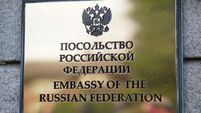
Both Taoiseach Micheál Martin and Tánaiste Simon Harris say abolition is justified because the mechanism allows permanent members of the UN Security Council - like Russia - to veto how and where Ireland decides to deploy troops.
They say even the threat of a veto by a permanent member can be enough to prevent the UNSC taking action.
Opponents point to the fact that Ireland has not needed UN authorization to rescue Irish citizens in recent years.
The operation to evacuate Irish citizens from Kabul in August 2021, for example, was carried out by an Emergency Civil Assistance Team (ECAT) led by the Department of Foreign Affairs and supported by members of the Army Ranger Wing.
Some 26 Irish citizens were successfully evacuated from Afghanistan in the operation, which went ahead without UNSC authorisation.

CONNECT WITH US TODAY



Be the first to know the latest news and updates