Chinese Embassy hits back at Tánaiste's 'clear-eyed' warning
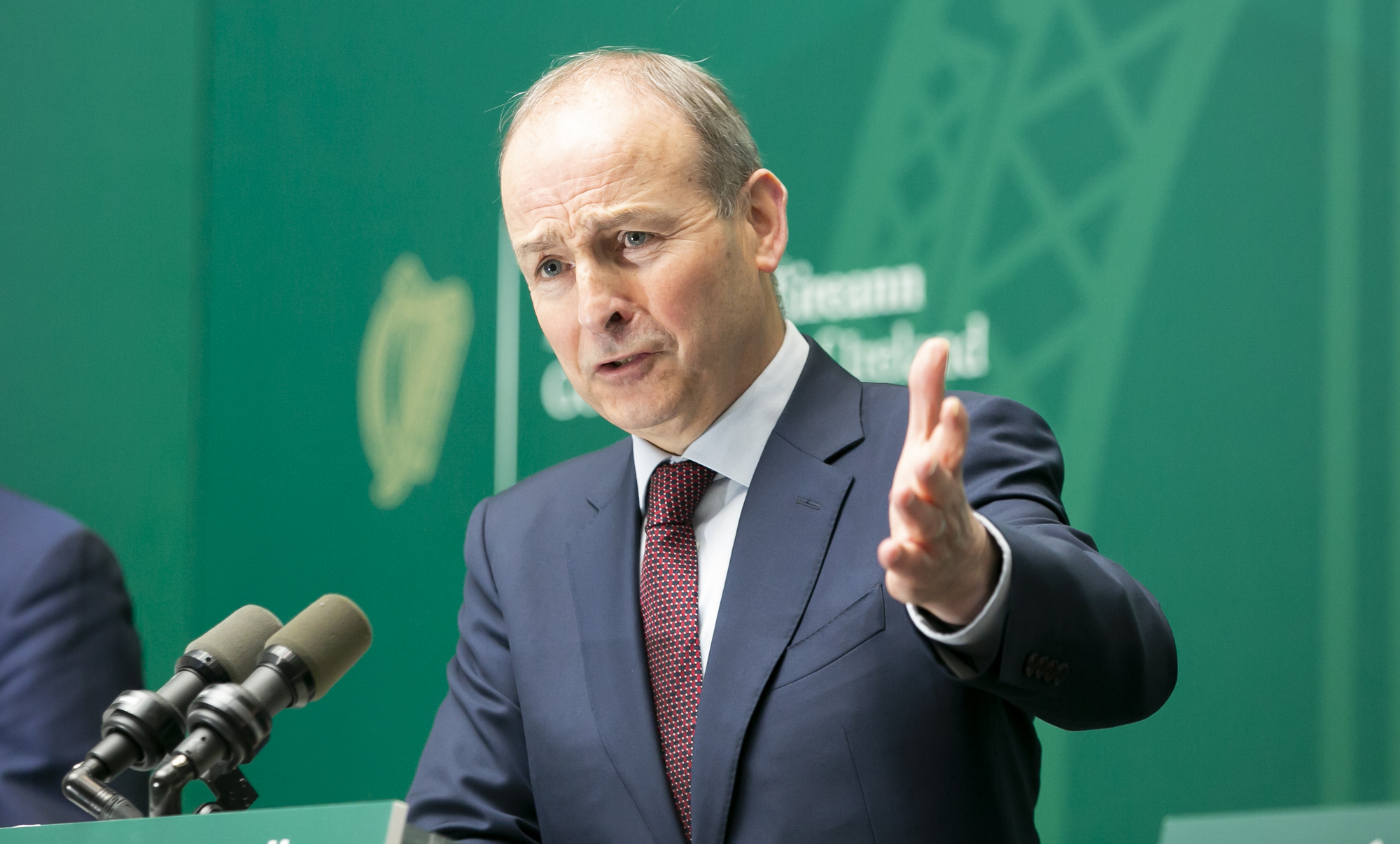
Tánaiste Micheál Martin had said China’s proposals for peace have not acknowledged that Russia started the war, and it is Russia that must end it. File picture: Gareth Chaney/Collins
The Chinese Embassy has warned Tánaiste Micheál Martin’s comments could risk a “brighter future” for the relationship between the two countries.
In a statement issued to the , a spokesperson for the Chinese Ambassador to Ireland, He Xiangdong, said “China always stands on the side of peace,” when referring to the war in Ukraine.
In a lengthy response to comments made on Tuesday by Mr Martin, who is Minister for Foreign Affairs and Defence, the spokesperson for the ambassador said the Tánaiste’s speech “overexaggerated” the differences between China and Ireland.
The embassy said that the Tánaiste “made misleading comments on China’s stance on current international hot issues” and made “groundless accusations” against China on issues related to Taiwan, Xinjiang, and Hong Kong, interfering in China's internal affairs.
Mr Martin was speaking at the Royal Irish Academy’s Annual International Affairs Conference on Tuesday. In his speech he said that the Government and private sector need to be "realistic" and "clear-eyed" about China's strategic objectives and their implications for Ireland.
He strongly advised the private sector, academics and other stakeholders to increase their awareness of their level of exposure and to "de-risk" where necessary. Mr Martin also critcised China for failing to “call out” Russian aggression and said the country should “reflect” on an old commitment to Ukraine.
The Tánaiste said in his speech that China’s worldview is “different from ours” and that our interests and values differ. He said this reality will inevitably shape how we engage with one another.
In response, the embassy said Mr Martin’s speech also underlined the so-called “de-risking” with China. “We disagree with this framing,” the spokesperson said.
“China-Ireland co-operation in various fields, especially bilateral trade and economic ties, has brought to Ireland tangible benefits rather than 'risks'.
“To simply define China-Ireland relations with fundamental 'differences' or 'risks' not only contradicts the positive elements within the speech, but also denies the achievements of China-Ireland relations and turns back on a brighter future for this relationship,” the statement read.
On Ukraine, Mr Martin said China’s proposals for peace have not acknowledged that Russia started the war, and it is Russia that must end it. He also mentioned that the recent state visit of president Xi Jinping to Moscow “was a visual demonstration of the close ties between two countries.”
The Chinese Embassy said China’s “core stance is to facilitate talks for peace” and that China did not create the “Ukraine crisis” nor is it a party to the crisis. “As a permanent member of the UN Security Council and a responsible major country, China would not sit idly by, nor would it add oil to the fire, still less exploit the situation for self gains,” the spokesperson said.
“China hopes all parties would seriously reflect on the Ukraine crisis and jointly explore ways to bring lasting peace and security to Europe through dialogue. China will continue to facilitate talks for peace and make its efforts for an early ceasefire and restoration of peace.”
Ireland adheres to the One China Policy, Mr Martin said in his speech. He said this means that “we do not have diplomatic relations with Taiwan”. However, he said this does not “preclude” the development of economic, cultural and people-to-people connections with Taiwan.
Mr Martin said stability and the status quo in relation to Taiwan is “critical” and any attempt “to change the status quo by force would not be acceptable.” Reacting to these comments, the embassy said that the UN Charter has laid out important principles such as respect for state sovereignty and territorial integrity and non-interference in internal affairs.
The spokesperson said: "Taiwan’s return to China is an important part of the post-war international order. China’s sovereignty and territorial integrity has never been split. Resolving the Taiwan question is a matter for the Chinese ourselves," they said.
The embassy said if the “Irish side truly wants” to see the maintenance of peace and stability across the Taiwan Strait, it should unequivocally oppose “Taiwan independence” and any forms of external support or connivance for "Taiwan independence" separatist activities.
The statement added that just as “no one group can have a veto on Ireland's future”, nobody can have a veto on Chinese people’s aspiration and determination to achieve national re-unification.
In his speech on Tuesday, Mr Martin also said action is needed following a report by the former UN high commissioner for human rights, Michelle Bachelet, on her assessment of the human rights situation in Xinjiang. He said her findings were “stark” and that he has raised the report directly with his Chinese counterparts, urging compliance with its recommendations.
“Whether in relation to Xinjiang, Tibet, Hong Kong, or elsewhere, China has an obligation to act in a manner that ensures full respect for the rule of law. China, like every other UN member state, must comply with its human rights obligations,” he said.
In response, the Chinese embassy said the Xinjiang-related issues “are not issues about human rights at all, but about combating separatism, extremism and terrorism.”
The spokesperson said: “We welcome Irish friends from all walks of life to visit Xinjiang and find out the true picture there, instead of being misled by Xinjiang-related lies.” The embassy said mutual respect, equality and the approach of seeking common ground while reserving differences are “the basis for developing relations between countries.”
The spokesperson also quoted former SDLP leader and peace campaigner, John Hume, before adding that the Chinese embassy hopes “that the Irish side will respect the facts, discard prejudice, and view China and China-Ireland relations in a more objective and rational way.”

CONNECT WITH US TODAY



Be the first to know the latest news and updates