Political year ahead: Government has steadied the ship but Sinn Féin’s tide continues to rise
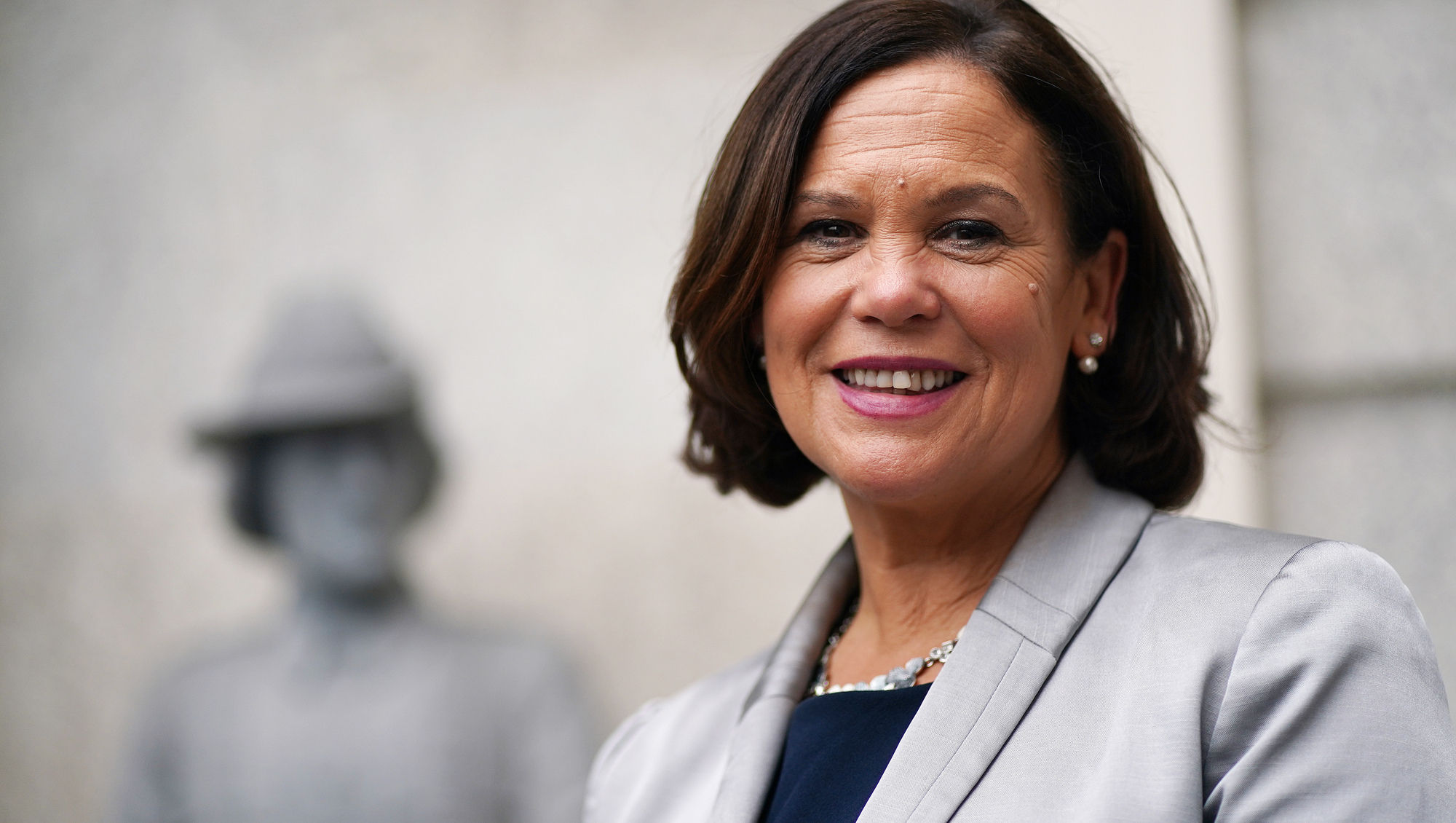
Sinn Féin president Mary Lou McDonald at Leinster House in Dublin.
While workplaces and schools have dispensed with the new year's greetings, 2022 is only beginning for our political representatives as sittings resume in Dáil Éireann this week.
The new Dáil term brings with it some similarities to last year — the focus is on Covid and vaccines, though these are now of the booster variety and the country is not in lockdown.
This year in politics will see the changing of the guard at Taoiseach and Tánaiste, Limerick getting a mayor, and Sinn Féin trying to continue its ascendancy in opinion polls.
When the Government came to power in 2020, there were people stroking their chins like disapproving relatives at a wedding, giving it a year — or even less.
Following a rocky beginning, there is now a real sense that this Government has found its footing and found its stride in 2021.
But this is politics and problems are always lurking around the corner. Not least, pandemic politics.
While the Government is grappling with the Omicron variant and hospitality remains under an 8pm curfew, proposed changes to the Enhanced Wage Subsidy Scheme (EWSS) are coming in a matter of weeks.
From February 1 the €250, €300 and €350 weekly payments will be changed to a two-rate structure of €203 and €151.50 a week, which will cause issues for many in hospitality and in the Dáil. On the same day, the Pandemic Unemployment Payment will drop to €203, another move which will be unpopular.
Minister for Housing Darragh O'Brien outlines the Government mica redress scheme at Dublin Castle Picture: Damien Storan
In housing, there are a number of bills to be passed, including the Regulation of Providers of Building Work Bill, which will create a register for contractors.
While there will be little objection internally to much of the legislation, the Government faces a major banana skin on CETA. There has been no sign of bolters in Fine Gael and Fianna Fáil, but Dublin South Central Green Party TD Patrick Costello has been granted a "leapfrog" challenge to the contentious treaty between the EU and Canada.
If and when the trade agreement makes it to the floor of the Dáil, Mr Costello and every other Green Party TD will be watched closely to see if they vote with the Government.
If you have paid attention to Leaders' Questions over the lifetime of this government, you will have seen where the opposition has focused its attacks.
While it would not be accurate to say that housing has been the only issue, it has been the one that has seen the opposition score the most political points.
With the housing crisis not set to be solved in a matter of months, expect that to continue in the first few months of 2022.
But, as we hope to see Covid receding from the immediate horizon, the public focus will also broaden. This will mean that more issues — climate, transport and particularly health — will see the Government come under serious scrutiny.
However, that may not be as easy as it sounds. Sure, the party has a massive groundswell of support now, but nobody ever held a ministry based on polling well three years out from an election.
The challenge for Sinn Féin in 2022 will be to continue to moderate its message while remaining attractive to its core support.
The party threaded that needle last year when it passed a motion backing the use of non-jury courts.
Passing the motion means Sinn Féin will, in government, commit to the option for use of the court where required in exceptional circumstances, a break with a long-standing policy. It was a pitch to moderate voters and an attempt to head off Fine Gael and Fianna Fáil's use of the court as a stick with which to beat them.
But how much can the party do that and retain the massive swathe of disaffected voters who've come with it thus far?
For the other left-leaning opposition parties, the mission is simple: differentiate yourself enough from Sinn Féin to stop them eating your lunch but not be too different that you don't benefit from their transfers. Simple, right?
The Government parties will hope that 2022 doesn't bring any surprise by-elections in the way 2021 did when former housing minister Eoghan Murphy left politics.
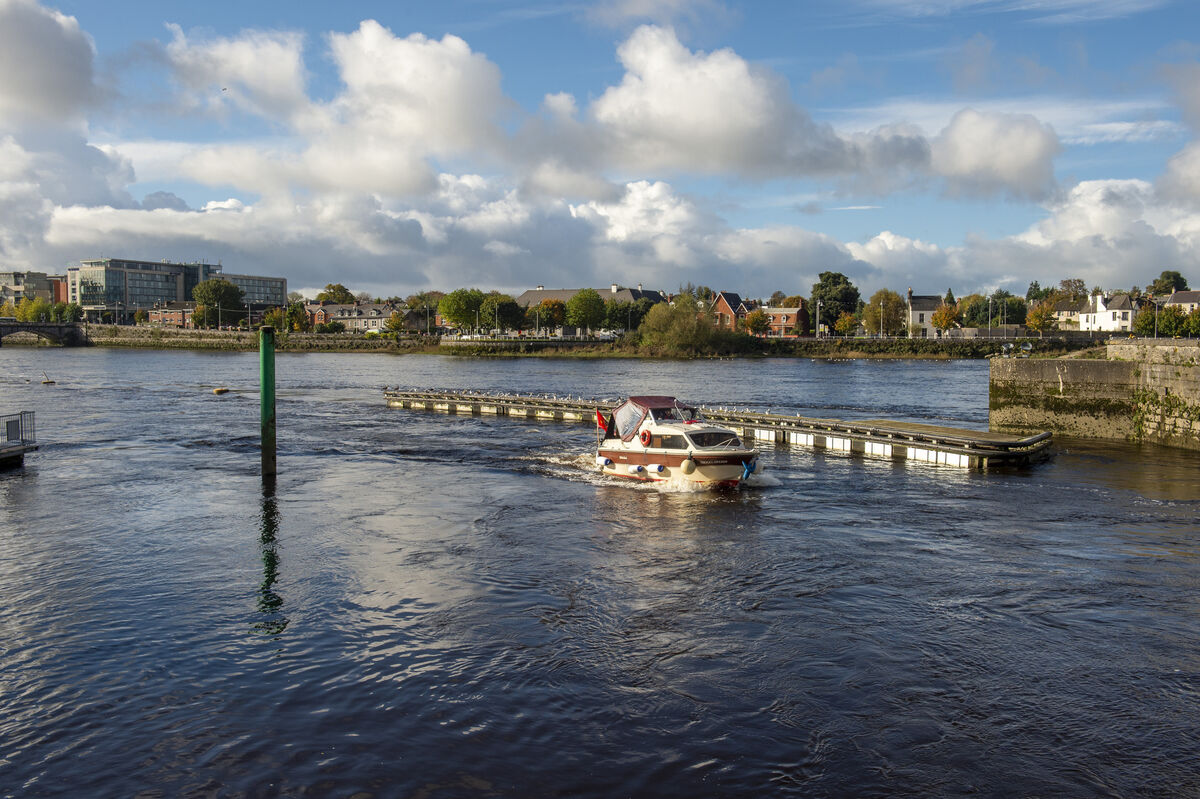
But the parties will still have to face the electorate when the race to install a democratically elected mayor of Limerick kicks off later this year. With a chance to shape the country's third-largest city for a term of at least six years, interest in the job will be massive, as will interest in the polls around it.
While personality will undoubtedly play a part in the election — it is an executive office to be tasked with "real power" according to junior housing minister Peter Burke — the party brands will be tested.
Among Fine Gael, Fianna Fáil and the Greens, the election offers what current Fianna Fáil TD Willie O'Dea called a "mid-term sounding from the electorate in Limerick city and county", while Sinn Féin's designs on winning a seat in the county constituency, as well as a potential second in the city, will be put to the test by the performance of its candidate.
No party has yet shown its hand on who they will run, but the chance to take on the inaugural role, the breadth of powers and a chance to stay on Shannonside seven days a week may be attractive to even sitting TDs.
That is not to suggest that a party candidate will have an easy run at this. The race will bring with it a huge number of independent candidates, local figures and fringe candidates, some of whom Mr O'Dea said would "make Trump sound mild".
How all of the parties handle the "mid-term" and how they are received will inform a lot of the build-up to the 2024 local and European elections and could have huge impact.
The legislation is expected in the Dáil in the first quarter of the year, with an election expected in the summer or September.
An alternating system for Taoiseach was agreed under the programme for government, which will see Micheál Martin swap places with Tanaiste Leo Varadkar on 15 December.
Questions have been asked about the leadership of the Fianna Fáil party since the embarrassing result of their by-election candidate Deirdre Conroy, who failed to get above 5% of the vote last year under once-tipped leadership contender Jim O'Callaghan's campaign management and continually poor showing in opinion polls.
However, despite unhappy backbench rumblings, one suspected leadership heave that never got off the ground and losing one TD in the form of Sligo's Marc McSharry, Micheál Martin says he will continue to lead his party after he hands over the position of Taoiseach to Varadkar.
Likewise, the spoke to a number of TDs in Fianna Fáil who do not see a credible move to replace Martin in the immediate future.
"At the minute, there's nobody coming through, there's some posturing going on, people will start to set themselves apart in the next few months and will consider presenting themselves as candidates from Patrick's Day onwards," one TD said.
"There's no candidate but Michael McGrath is seen as the safe pair of hands. The notion of Darragh O'Brien going for it is laughable.
"Jim (O'Callaghan) lost credibility last summer."
Another TD said there was "no context" for a leadership contest.
"There is no appetite for it," they said.
"The Taoiseach is doing a good job in the context of what we're going through, the context is Covid."
One former minister added: "There will certainly be a discussion about it, if he has to give over the taoiseach's job, there will be a discussion about his leadership.
"He (Martin) made various commitments and will be judged on those, but there will discussion of course and people won't want to destabilise what we have at the minute by putting themselves forward too early."
In Fine Gael, concerns are building over the ongoing criminal investigation into Leo Varadkar's leaking of a confidential GP contract to a friend.
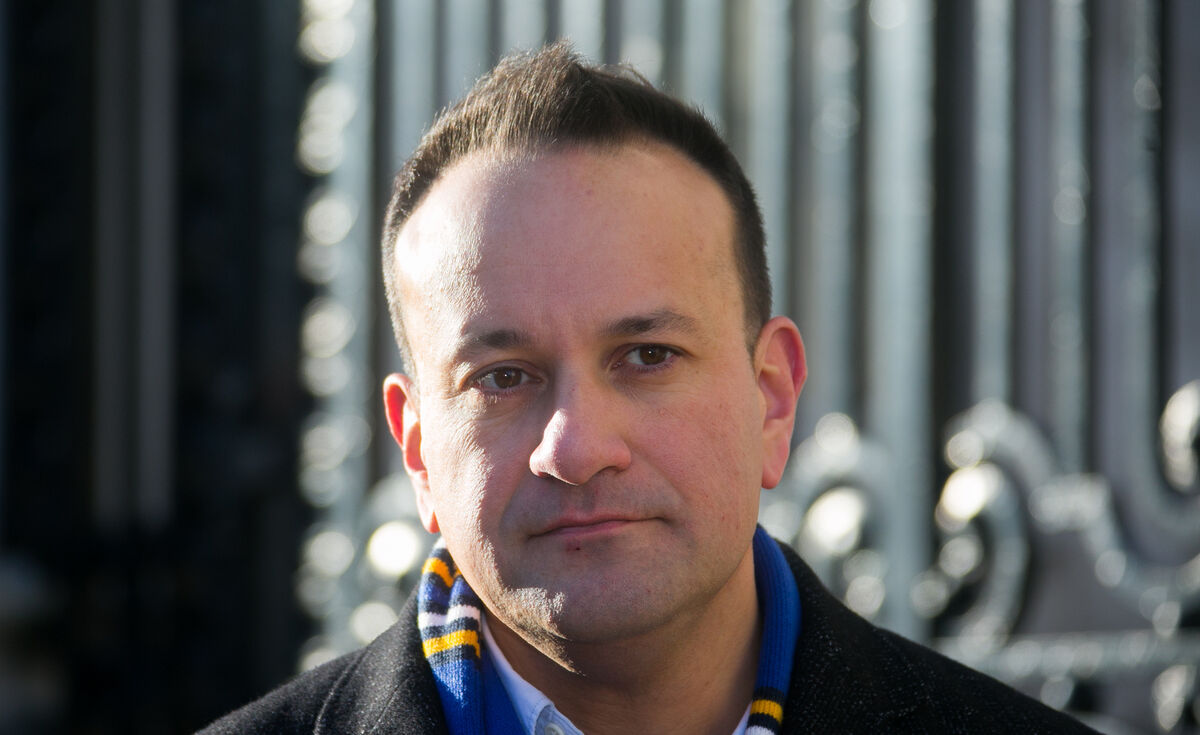
When asked if he can take over as Taoiseach as planned if the garda investigation is ongoing at the time, Mr Varadkar said hasn’t thought about becoming Taoiseach again.
“To be frank, that’s not my focus at the moment," he said.
“That’s almost a year away and I’ve a job to do as Minister for Enterprise, Trade and Employment; protecting businesses, creating jobs, saving jobs, making sure that Ireland is increasing its share of trade around the world.
“And I have my commitments as leader of Fine Gael and TD for Dublin West and that’s my focus at the moment."
Some government TDs have told the that they are concerned about the investigation going on much longer.
"People are concerned and would like it to come to a conclusion," one TD said.
"It seems to be going on a long time and coming up more and more and we're being asked more in the media about it.
"People would like it to go away as soon as possible. The presumption is it'll come to nothing but it has to be fully investigated."
Another said:
One Fianna Fáil TD said: "What happens to Leo will play a huge role in what happens politically, if there's any sense that drags on Fine Gael could get uneasy very quick, there could be a heave against one and not the other but both are linked.
"Everyone is highly aware of the case against Leo coming to a head and if there's any outstanding issues, Fine Gael will move against him and that concerns the Taoiseach's office at the minute too."
The 2022 Northern Ireland Assembly election in May is expected to elect 90 members to the Northern Ireland Assembly. It will be the seventh assembly election since the assembly was established in 1998.
These elections could prove to be historic in Northern Ireland's 100 year history as the electorate is expected to return the first-ever non-unionist majority due to Northern Ireland's changing demographics and a shift in what would have been traditionally unionist young people's voting intentions.
The DUP are not expected to remain the largest party in the Assembly and Sinn Féin have been tipped in the last three opinion polls carried out in the north to return as the most popular party averaging around 24% of the vote, with the DUP's highest polling percentage at just 20%, their lowest being 13%.
A University of Liverpool survey found 39.8% of those surveyed in Northern Ireland identified themselves as unionist, 26.8% as nationalist and 33.3% as neither, while the DUP has lost a third of the votes it received at the last election in 2019.
The poll of 1,002 people in every council area in Northern Ireland also found 62.1% of respondents felt the largest unionist party has handled the dispute around the Northern Ireland protocol badly.
There are continual concerns around the stability of Stormont in the face of unionist unrest over the protocol, too.
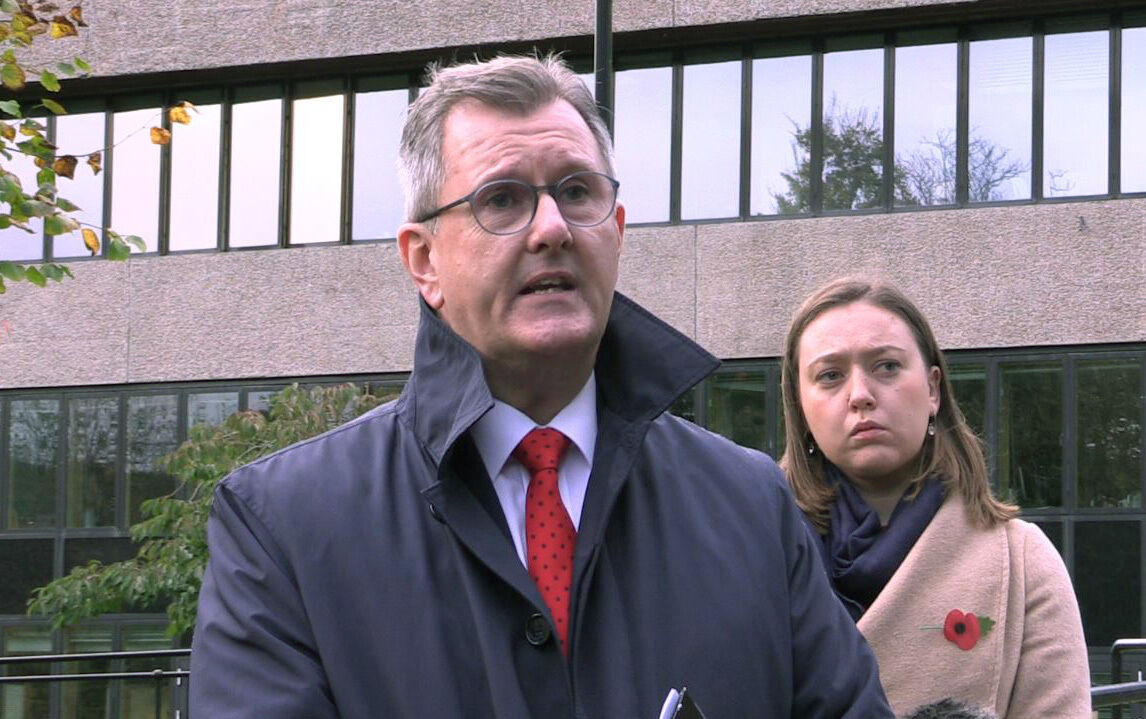
DUP leader Jeffrey Donaldson has repeated threats to walk away from the power-sharing executive if "issues" around the protocol are not solved.
Last week, Jeffrey Donaldson said, following a meeting with new Brexit UK chief negotiator Liz Truss, that the British government needs to provide a timetable for when changes will be made to the protocol.
EU Commissioner Mairead McGuinness has said %This link goes to facebook%Northern Ireland needs a solution to the protocol impasse "before we get into campaign mode for the assembly elections".
Speculation has arisen across the north that the DUP's continual poor showing in the polls could result in the collapse of Stormont with Brexit, which the DUP supported, given as the excuse.

CONNECT WITH US TODAY



Be the first to know the latest news and updates