Charity to convert Cork City building into live-in facility for homeless Defence Forces veterans
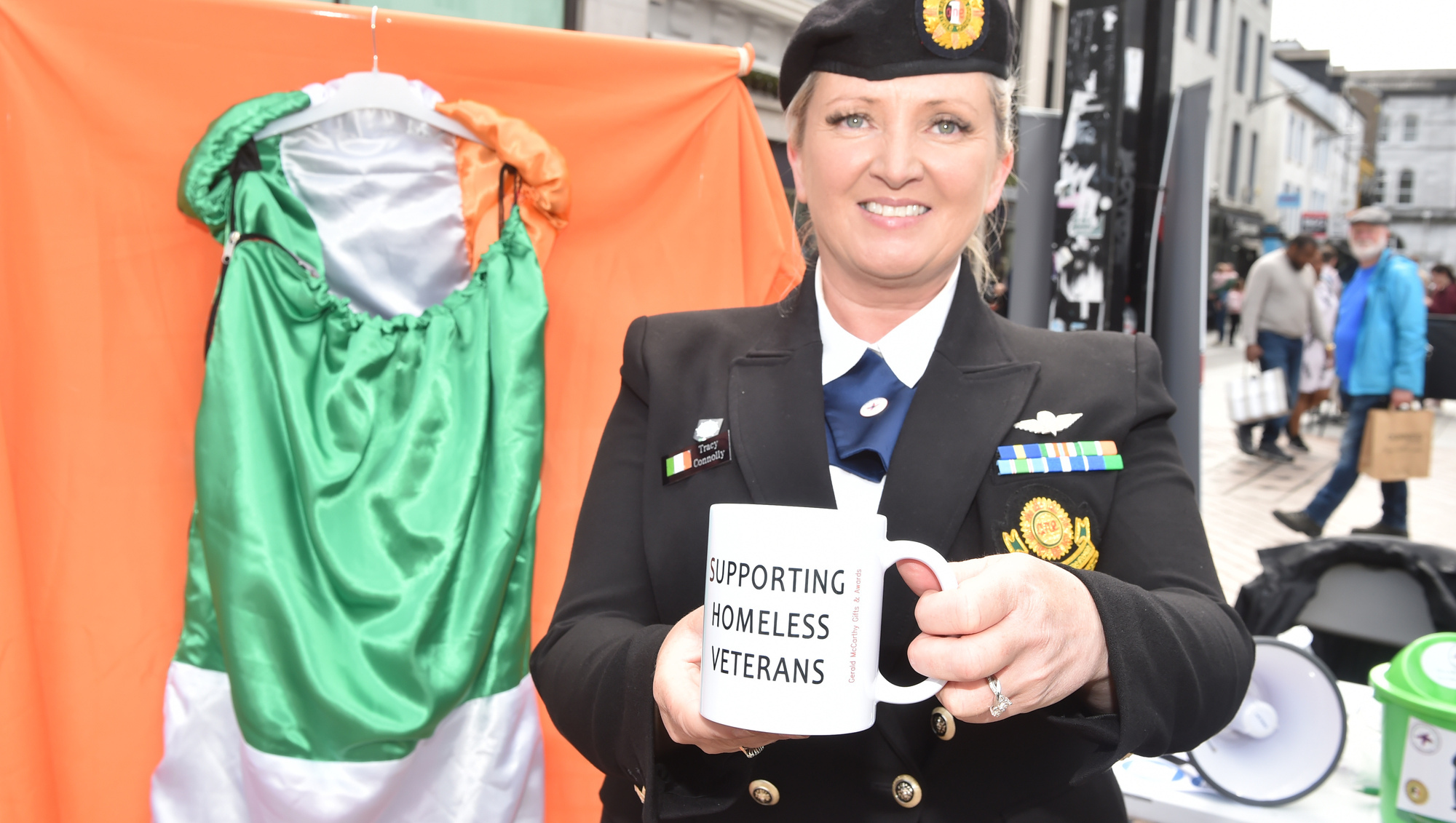
Tracy Connolly at a former annual Sleeping Flags campaign to raise public awareness and funds for the Irish Defence Forces' veterans. File picture: Eddie O'Hare
“When you put on the uniform, it's like you're on stage. You're playing a part. You feel you’re bulletproof when you come out. Then that uniform is gone. You're now out in the big bad world.”
For over 23 years, Tracy Connolly served in the Irish Army. In 1996, she was in Lebanon during the Grapes of Wrath — a 17-day military bombardment in which the Israeli Defence Forces displaced about 300,000 Lebanese civilians.
In many ways, she has seen human savagery at its worst. But when she refers to the big bad world, she’s not referring to the places she once served, be it Lebanon's blood-stained earth, or the lands of Kosovo that were torched by genocide. Instead, "the big bad world" is back in Ireland with all its perceived homely comforts.
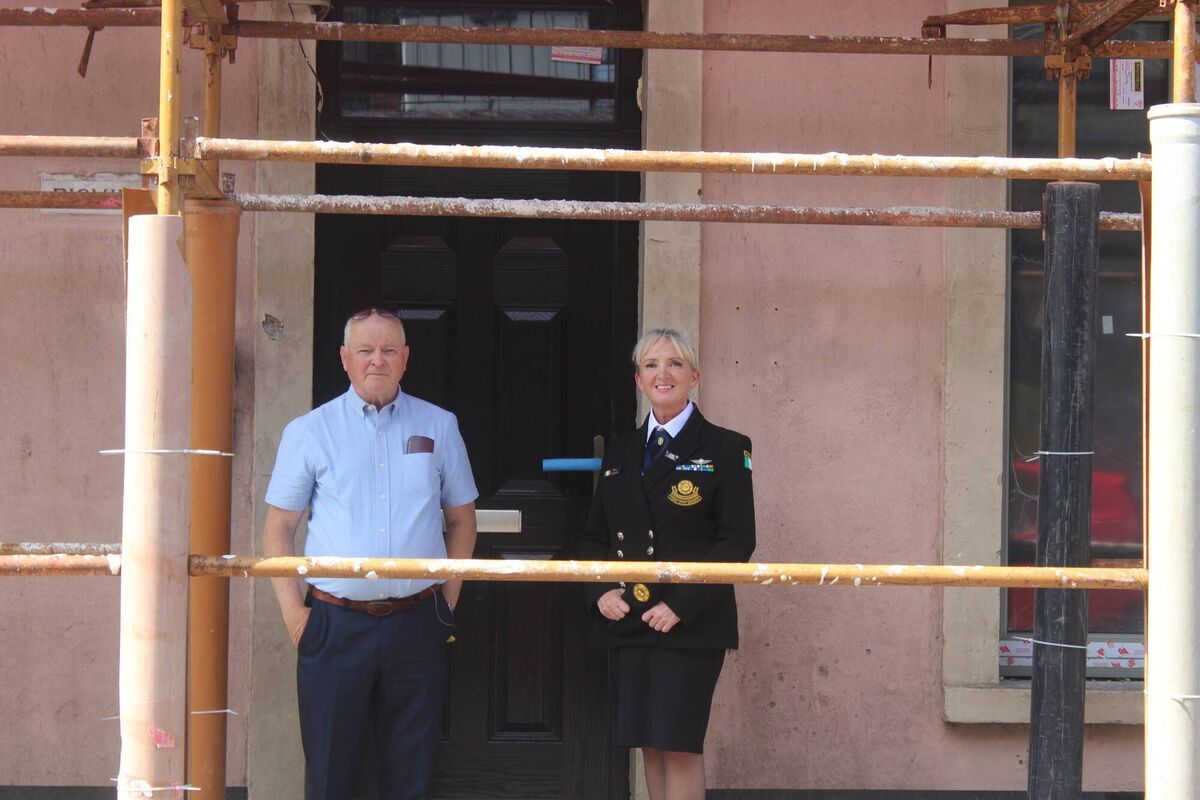
Ms Connolly is speaking outside a shell of a building in St Luke’s, Cork. In about six months, the building will operate as a homeless shelter that accommodates up to six former members of the Defence Forces.
The shelter is being developed by the Organisation of National Ex-Service Personnel (ONE), of which Ms Connolly sits on the board of directors.
The charity currently has shelters across Cobh, Athlone, Dublin and Letterkenny, housing about 55 veterans.
Read More
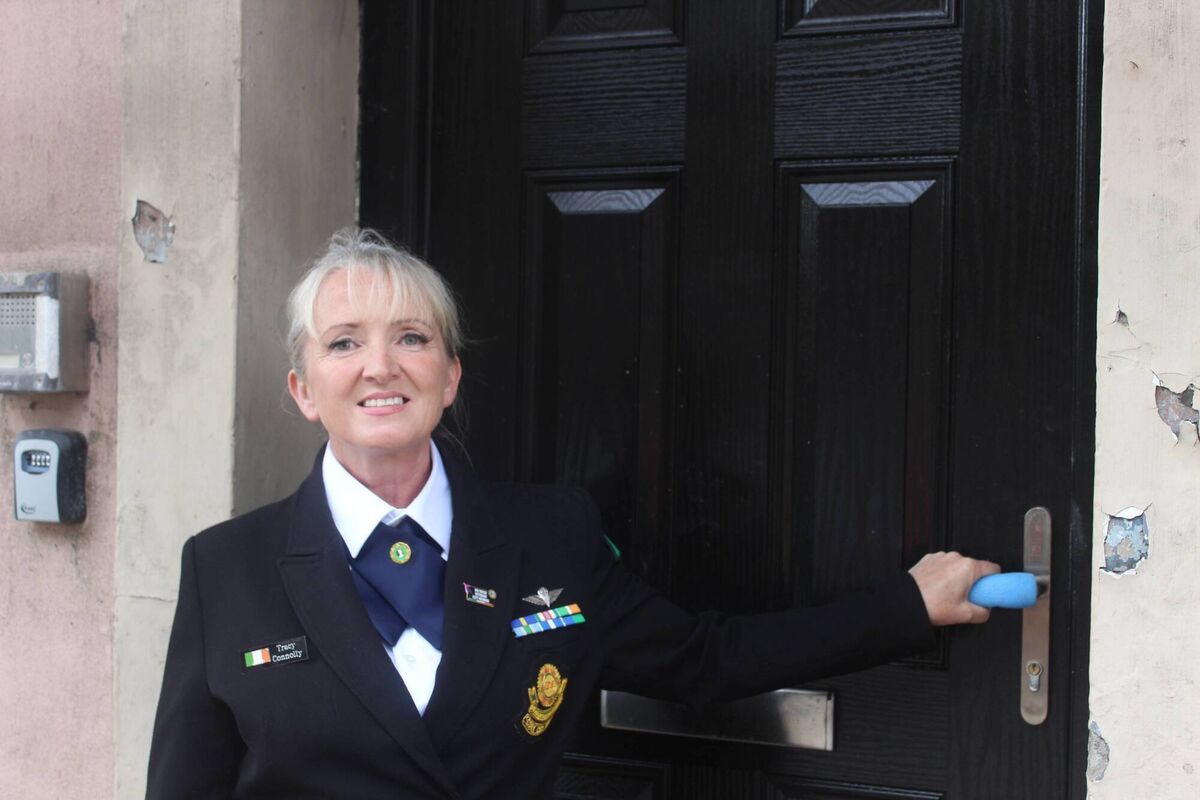
Many may wonder how members of the Defence Forces, who by the demands of their job are forced to project a strong, self-sufficient image, fall into homelessness.
“For a lot, the trigger would be issues associated with service, be it at home or overseas, which in turn then may lead to addiction issues, which in turn then leads to marital breakdown, which is the primary cause for homelessness,” says Cormac Kirwan, ONE chief executive.
In a career spanning 28 years, Mr Kirwan served in Lebanon, Kosovo, Somalia and the Congo.
ONE’s aim is to take veterans off the streets and return them to a familiar community, where they aim to transition back into independent living in three years. In its Cobh centre, which opened in 2021, 10 members have graduated to independent living.
The lived experience of those suffering PTSD would wash over many normal citizens. Few can relate to a horrifying encounter with an IED (improvised explosive device). It’s an esoteric existence.
“The one thing that we bring to the table is that shared sense of language,” says Mr Kirwan.
“An individual that could be struggling, who is living in our homes, is in a community with others that potentially would have travelled in the same footsteps.”
The characteristics instilled in members of the Defence Forces — particularly pride and resilience — can often work against the charity.
Many of the service's users did not present at the shelters looking for assistance. Ms Connolly explains it’s normally a word-of-mouth exercise, in which veterans hear about a former comrade that has fallen adrift.
Bringing the member into shelter is often a planned exercise, in which organisers ‘inadvertently’ bump into a veteran known to be struggling. Eventually, the possibility of living in the shelter is broached.
“Pride when they struggle is a huge thing because everyone has this perception that you know you're bulletproof," says Mr Kirwan.
"All of a sudden, for an individual who's living as we have had at the back of a dump, they're not going to say anything."
He stresses the supports are there for everyone — those who left the Defence Forces due to age, on their own volition, and others who may have been forcibly discharged.
A landmark tribunal into cases of abuse in the Defence Forces was heard over the summer, and Mr Kirwan says the support is available for all veterans — regardless of their experiences with the forces.

CONNECT WITH US TODAY



Be the first to know the latest news and updates