Descendants to restore grave of Cork man who plotted 1880s dynamite attack on Britain
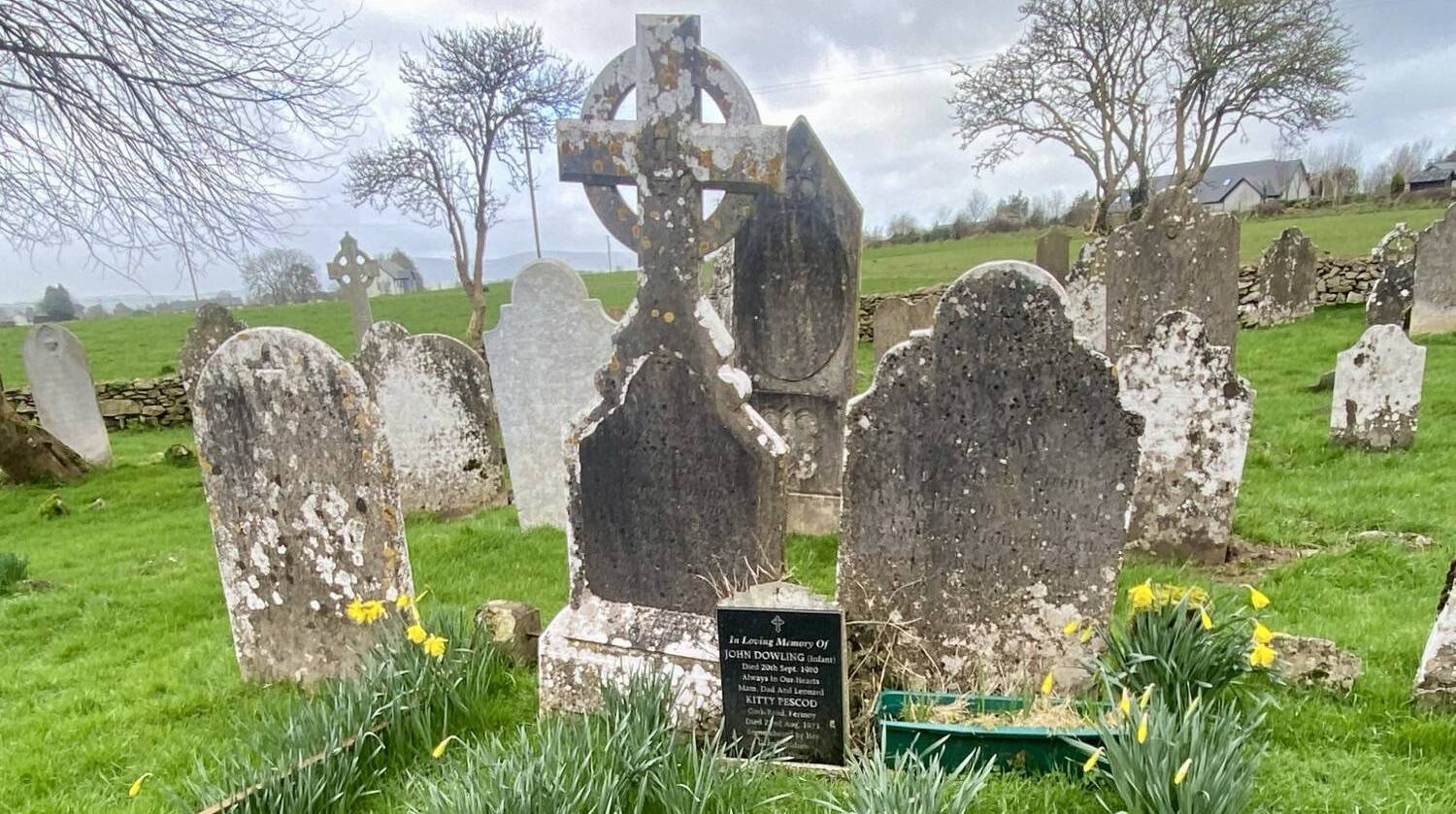
John Curtin Kent was born in 1849 in Ballyhindon close to Fermoy town and is buried in a family plot in Kilcrumper Old Cemetery.
The grave of a Cork man sentenced to life in prison for plotting an 1880s dynamite attack on Britain is to be restored in a project undertaken by his great great grandniece.
John Curtin Kent was born in 1849 in Ballyhindon close to Fermoy town and is buried in a family plot in Kilcrumper Old Cemetery. Now his relative Laura Doyle has been granted funding from Cork County Council to carry out restoration of the grave.
Ms Doyle, a geneologist, has researched several documents from his life and says he dedicated himself in the US to Amnesty Association, which was set up to free Irish political prisoners.
She says her own granduncle had written an article about Curtin Kent many years ago and after coming across it, she decided to research him for her college dissertation.
HISTORY HUB
If you are interested in this article then no doubt you will enjoy exploring the various history collections and content in our history hub. Check it out HERE and happy reading
Curtin Kent, who died in 1931, was a relative of the well-known Thomas Kent from Castlelyons, whose body lay buried in the grounds of the former Cork Prison until it was exhumed and buried after a State funeral in Castlelyons in 2015.
Curtin Kent emigrated to the US in the early 1870s, joining the Irish Republican Brotherhood, known as the Fenians, while there.
He was sentenced to life in prison after being convicted at the Old Bailey in London in 1883 for plotting to dynamite Britain with 1916 leader Thomas Clarke, Glasgow man Dr Thomas Gallagher and Skibbereen native John Cadogan Murphy in a Clan na Gael plot.
He was released after 12 years after developing heart failure — following intense lobbying by the US administration of the time.
A letter from the acting secretary of the US State Department in May 1895, showed to a lobbyist on Curtin Kent’s behalf, noted that President Grover Cleveland had previously put in “strenuous but ineffectual efforts” during his previous presidency “to obtain executive clemency for Mr Kent and his fellow prisoners in the Queen’s jubilee year, 1887”.
The letter continued: “These were renewed under President Harrison’s Administration with a like result, and again in 1893, when the question of commuting the sentences of the chief conspirators was under consideration in the House of Commons.”
The letter added: “Under these circumstances, although I can assure you that the President is animated by the same kindly feeling that actuated his previous action in behalf of Mr Kent, and the other unfortunate men, the Department’s judgment is that until a more conciliatory feeling prevails in England, no different result seems possible through diplomatic intervention in the premises.”
However, a telegram from June 1895 from the US embassy in London noted: “Home secretary will release John Curtin Kent on ticket of leave as soon as friends arrange to care for him.”
After first returning home to Fermoy, Curtin Kent travelled to the US again and remained there until the 1920s. Following the death of his wife, who was from Castlelyons, he returned to Fermoy.
Laura Doyle says she is very proud of her relative and wants to ensure his grave is restored.
She says: “It was always something I wanted to do because he has been kind of forgotten about in history. A lot of people would not have heard of him. By all accounts, everything I have read about him, it looks like he was a quiet kind of person.”
The grave is to be restored in the coming months.

CONNECT WITH US TODAY



Be the first to know the latest news and updates