'Shocking' data shows cancer patients face postcode lottery for timely treatment

'Behind every cancer delay statistic is a patient and their loved ones, and these delays mean avoidable deaths,' the Irish Cancer Society policy manager said. File picture: iStock
Some cancer patients have faster access to vital treatment and surgeries than those in hospitals in other regions, “shocking” data released by the Irish Cancer Society shows.
The figures also show hospitals are hitting target times for certain cancers, but they are struggling to meet targets for others, indicating gaps internally as well as regionally.
At six hospitals, including University Hospital Waterford (UHW) and Cork University Hospital (CUH), fewer than 75% of patients started chemotherapy within target times.
This compares to 12 hospitals, including University Hospital Kerry and Mercy University Hospital in Cork, where over 90% of patients started within the target times last year.
Some 91.3% of radiation treatment patients at CUH started this on time, as did 85.6% at University Hospital Limerick (UHL).
The highest proportion was 98.4% at the private UPMC Whitfield clinic, which is in an outsourcing arrangement with UHW.
However, this dropped to 67.3% for patients within the St Luke’s Radiation Oncology Network in Dublin.
Nationally, 1,356 patients did not start chemotherapy within the target of 15 days, although 84% of patients did start in the target time.
In 2024, at St James’s Hospital in Dublin, some 86% of men had prostate surgery within target times.
Elsewhere, it dropped to 22% at University Hospital Galway and 31.4% at CUH.
Nationally, 45% of breast cancer patients, or 455 women, did not have surgery within target times.
For lung cancer surgery in 2024, the last year with full data, 38% did not have the operation within the target of 25 days.
Partial data for last year shows 39% did not have the operation within the target time.
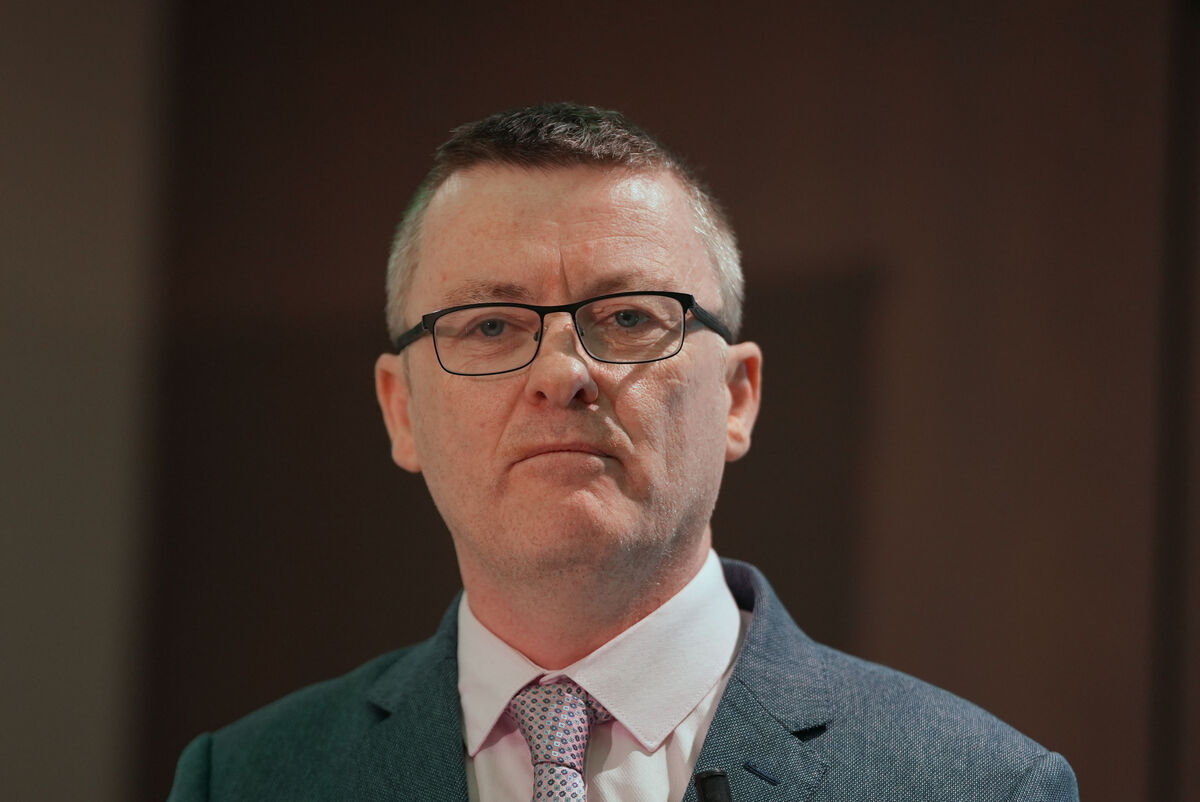
Irish Cancer Society policy and campaigns manager Emma Harte said:
The data shows “a mixed picture across the country, with some patients getting their life-saving surgery within the recommended 25 days”, she said.
She called for regular data updates in real time and added: “This would allow us to identify those patients being let down, and focus attention and investment where it is most needed.”
The data was released by the National Cancer Control Programme to Sinn Féin health spokesman David Cullinane.
“This is stark data, and it should be a wake-up call for the minister and the Government,” he said.
He also highlighted regional inequalities.
In response, the HSE said it “recognises the critical importance of timely access to cancer treatment and the impact that delays can have on patients and their families”.
In respect of 15-day targets for chemotherapy and radiation, a spokeswoman said “primary responsibility” for this “rests with individual hospitals”.
However, she added: “While the operational responsibility for achieving the 15-day target lies with individual hospitals, this is a shared endeavour, requiring close coordination between providers and system-level leadership.”
She said the NCCP works with the new HSE regions, monitoring trends at national and regional level to find systemic barriers.
Data on four hospitals for lung cancer surgery shows targets met for 81.2% at UHG, compared to 56% at St James Hospital and 60.2% at CUH.
The target for pancreatic cancer surgery is within 20 working days.
Data was shared for St Vincent’s University Hospital only. It showed that, out of 11 patients last year, eight had surgery in that time.
This however was improved on 2024 when just 45% of 20 patients had surgery on time.
Surgery for oesophageal, junctional tumours, or non-junctional gastric tumours should also be carried out within 20 days.
Data on three hospitals shows 90% of patients at St James’s Hospital had this on time.
This compares to 46.2% in UHG and 66.7% at Beaumont Hospital.
The HSE pledged: “Through enhanced planning, monitoring, and targeted support, the NCCP will continue to work with hospital partners to improve performance and deliver high-quality care to all those affected by cancer.”
- Niamh Griffin, Health Correspondent
CONNECT WITH US TODAY



Be the first to know the latest news and updates