Ireland's national cancer programme ranked number one of 20 examined worldwide
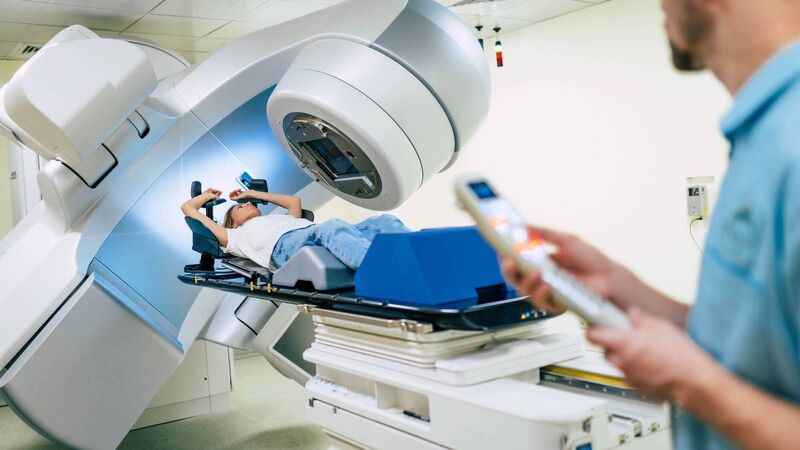
More than 220,000 people in Ireland are living with or after cancer, a 50% increase compared to a decade ago. File picture
Ireland’s cancer control programme was ranked top among 20 systems worldwide for its strengths, in a new study led by Queen's University Belfast.
The National Cancer Care Programme (NCCP) was set up in September 2007, just as public outrage grew at the tragic death of Susie Long.
She died in October that year with bowel cancer, having spent months campaigning about horrifying gaps between public and private care.
She was just 42 and left behind her son Fergus, daughter Áine, and husband Conor Mac Liam.
A public patient, she waited seven months for a colonoscopy after her GP referred her in.
She described this to Joe Duffy on RTÉ in January 2007, leading to many others sharing their stories in the following months.
Setting up the NCCP was part of the then government's plans to reform cancer services.
This week, research teams from Queen's, Romania, and America ranked Ireland top of the 20 national cancer control programmes studied.
The study compared focus on governance, budgets, and monitoring of progress in services.
It also looked for clear lines of responsibility and a strong policy focus.
The programmes analysed included those in France, Austria, Norway, and Switzerland.
Lead author Mark Lawler, professor of digital health at Queen's, said: “Cancer is one of the most serious threats across the globe. It is estimated to kill approximately 17 million people annually by 2030.
"A strong national cancer control plan, tailored specifically for each country, is essential for preventing cancer, addressing treatment needs and improving the wellbeing of those affected by this killer disease.”
The HSE welcomed the findings.
Dr Caitríona McCarthy, interim national director at the NCCP, said when it was established nearly two decades ago, it was in response to patient outcomes that lagged behind other developed nations.
She said the programme has seen “significant improvements” for patients since then.
“Mortality rates are falling for the four major cancers of prostate, breast, lung, and colorectal, which account for over half of all malignant cancers,” she said.
“As cancer survival improves, more people are living after cancer than ever before."
Today, more than 220,000 people in Ireland are living with or after cancer, a 50% increase compared to a decade ago, she said.
However, she cautioned services "are facing rising, multidimensional challenges” now.
“We must redouble our efforts to build on this success for our patients and continue to deliver further improvements across prevention, treatment and survivorship,” she said.
The study was published in the .
CONNECT WITH US TODAY



Be the first to know the latest news and updates