'A whole new lease of life’: Cork mother thrives after life-saving heart transplant in Dublin
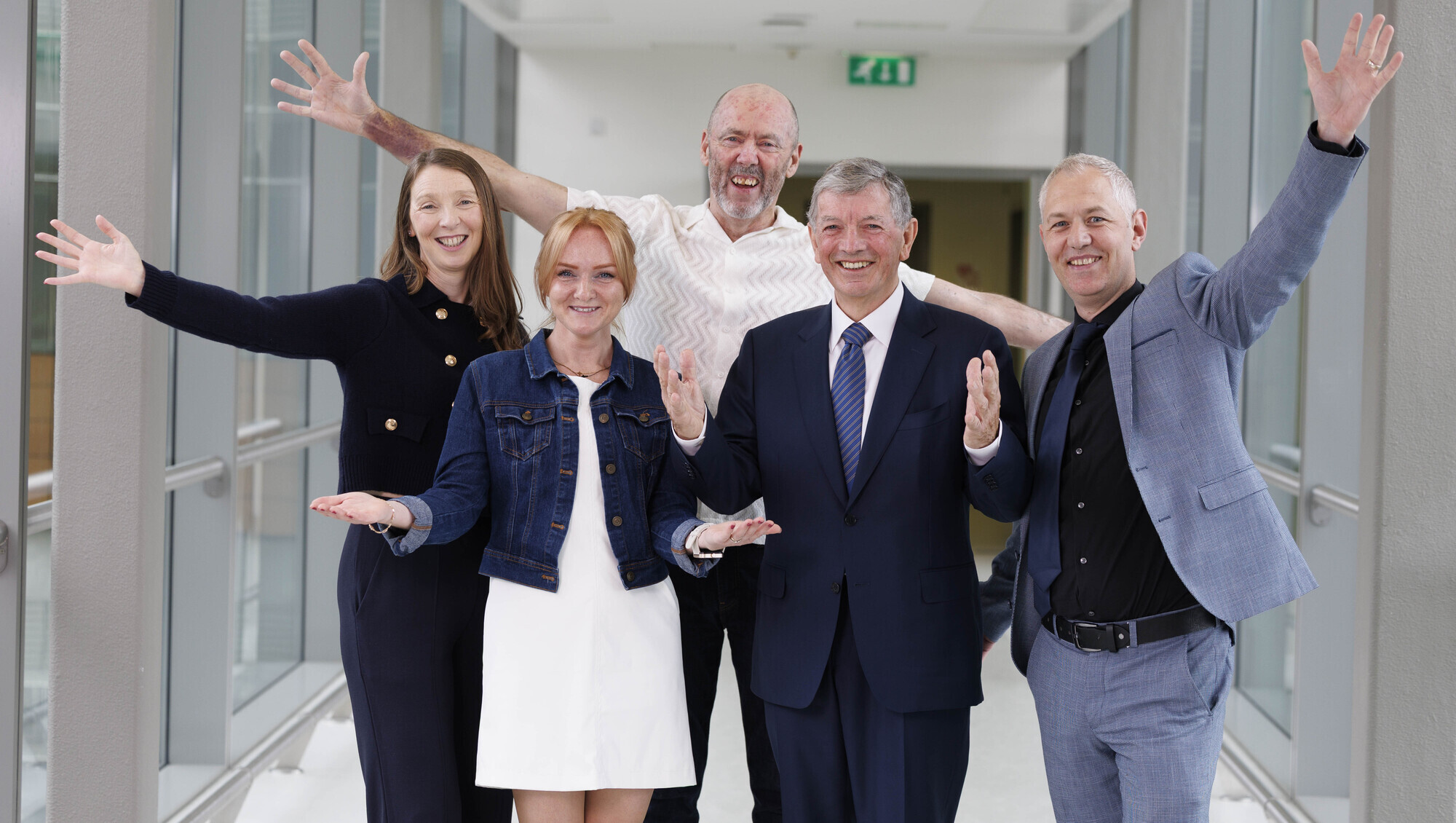
Cork mother Eva Mikuta shares her heart transplant journey, highlighting the lifesaving impact of organ donation and recovery
'A whole new lease of life’: Cork mother thrives after life-saving heart transplant in Dublin

An event in the Mater Hospital to mark 40 years since the first heart transplant was Prof Freddie Wood (centre) with (l-r) heart transplant recipients Gillian Curtis from Athy, Co Kildare, Ewa Mikuta from Macroom, Cork, Andy Kavanagh from Coolock, Dublin who is the longest living transplant recipient in Ireland and Patrick Barry from Tallaght, Dublin who in 1993 aged only 11 was one of the youngest heart transplant patients in the country. Picture Conor McCabe
Eva Mikuta was a young mother in Cork when she had a heart transplant, joining an elite club of 447 people who have had this operation in Ireland since 1985.

“I got my life back, they really saved my life,” she said last Thursday.

Those life-saving transplants were done at the Mater Misericordiae University Hospital in Dublin.

It hosts the National Centre for Heart and Lung Transplants.

Ms Mikuta lives near Coachford, having moved from Łódź in Poland almost 20 years ago.

“I was never sick so, when I heard I needed a heart transplant, it came out of nowhere,” she said.

Aged just 35 then, and mother to a 10-year-old boy, she thought her tiredness was linked to everyday stresses.

“Then when I fell unwell at work, I found out actually I had a TIA [transient ischaemic attack], which is a mini-stroke, and they discovered I had a heart condition and might need a transplant,” she said.

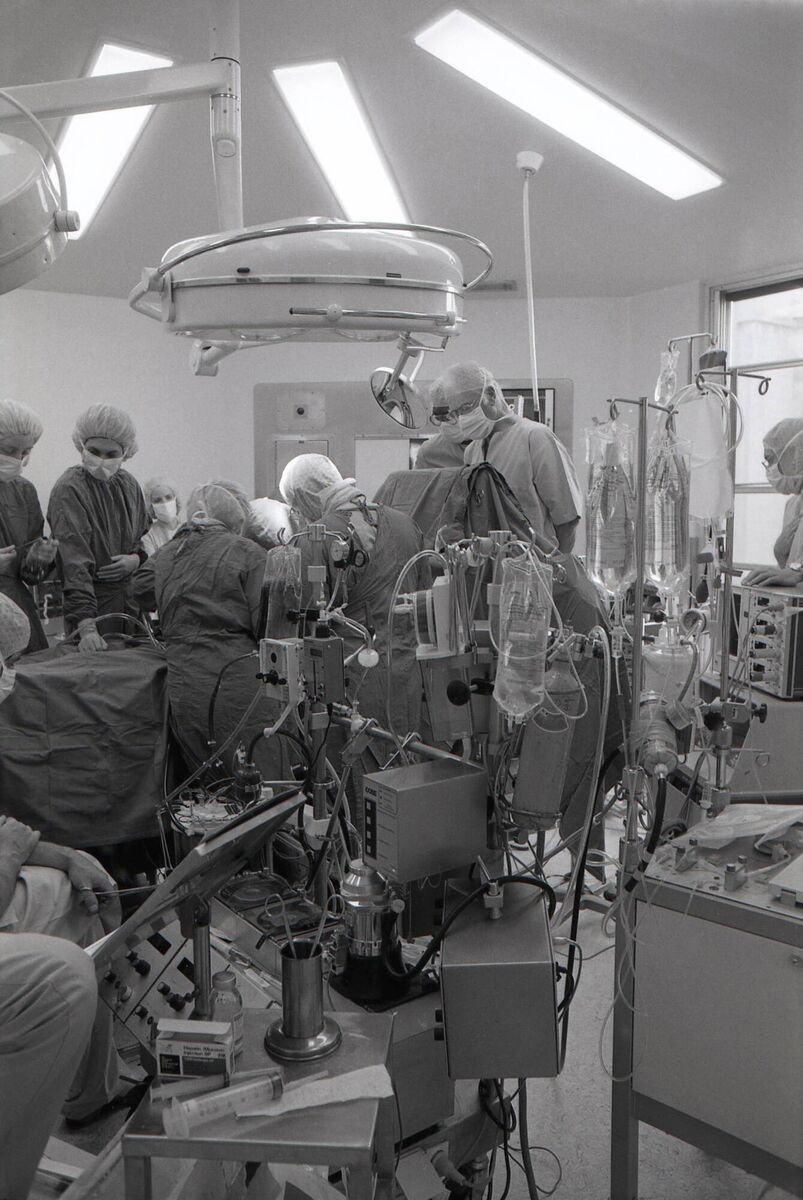
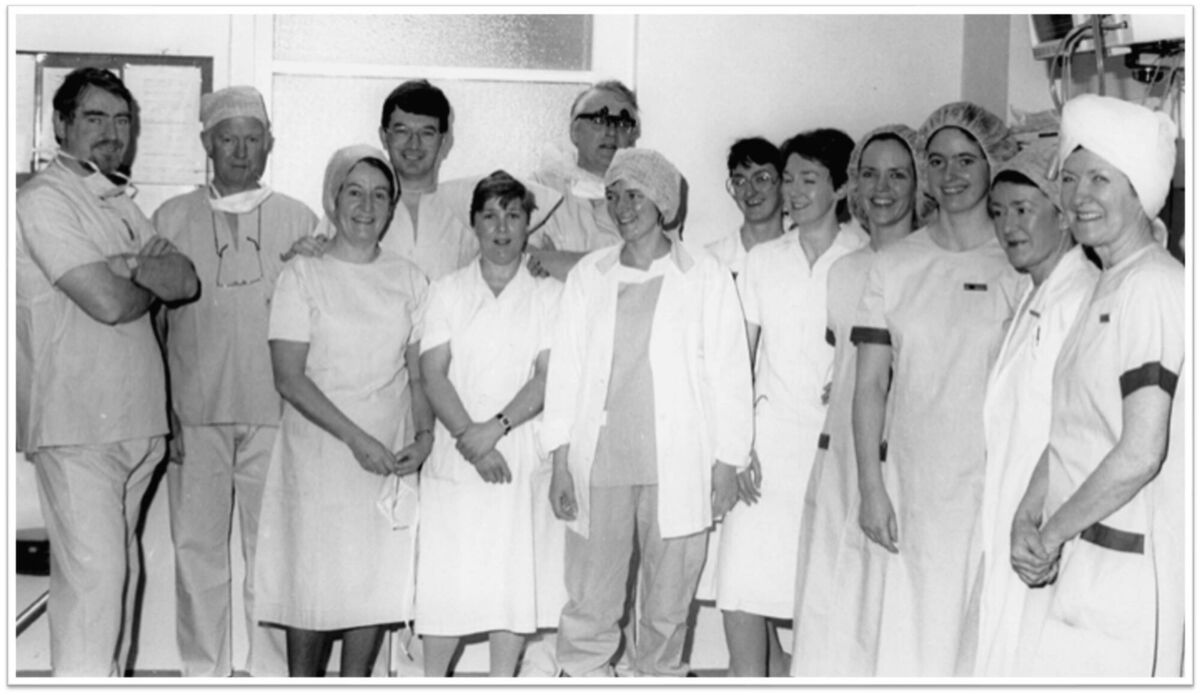
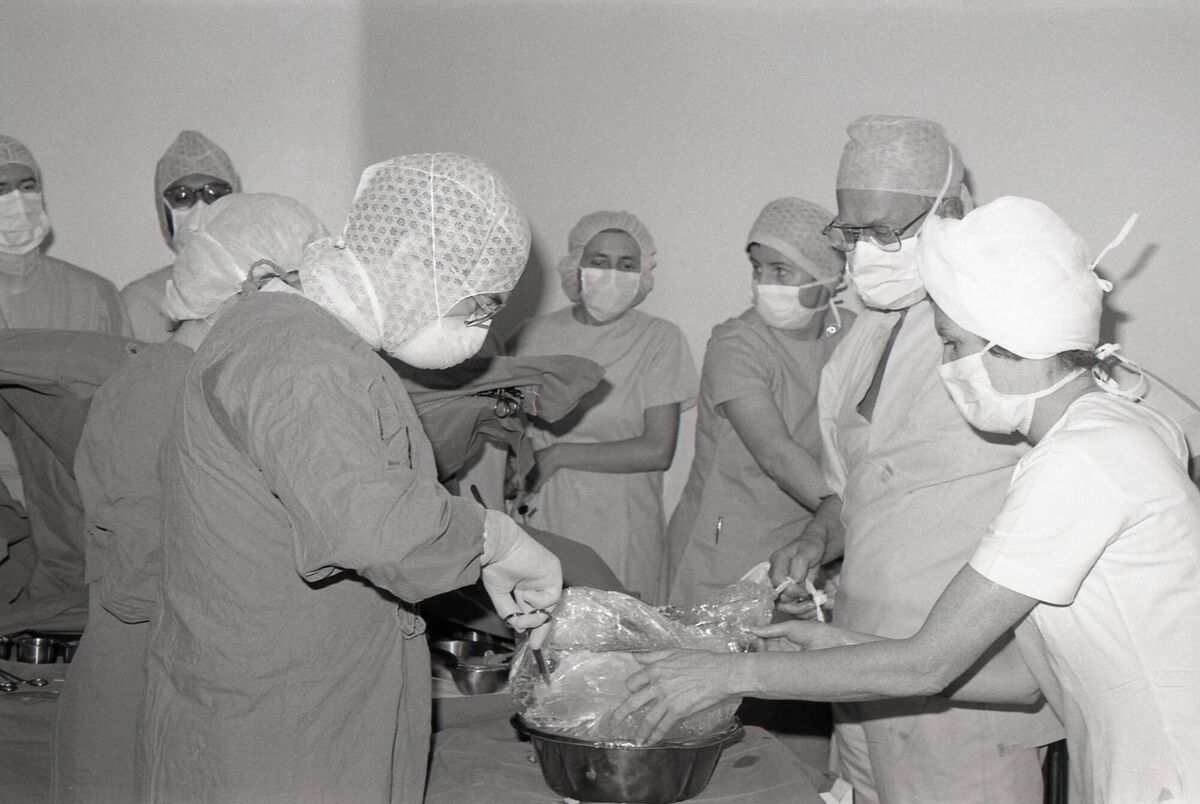
Transplant team: The first heart transplant procedure carried out at the Mater hospital in Dublin in 1985. 

She was seen at the Bon Secours Hospital in Cork, and said the diagnosis “completely changed my life”.

She had to temporarily leave her job with Dell.

“Everything basically just stopped. We were not planning anything. I was just at home and got depressed, I would say,” she said.

Over time, her health worsened. She struggled to walk. In late 2018, she was assessed at the Mater for a transplant.

She was so ill she had to remain in the hospital. Her husband and son visited from Cork at weekends.

“The Mater put me on the list, and then it was just 32 days and I got the heart — so that was really quick,” she said.

She added: “After the transplant I was full of life, my skin and everything looked different. I looked totally different, I looked really young.”

The first heart transplant procedure carried out at the Mater hospital in Dublin in 1985.

Now back at work, she said: “I’m back to normal life.”

Her cardiologist, Emer Joyce, said: “None of this would be possible without the courage of donors and their families. Organ donation saves lives.”

She described their generosity as “the miracle at the heart of every transplant”.

She is hopeful the new opt-out donor system will encourage more donors, but said family consent remains central.

“Many patients come to us in the extreme of their illness, many times they are unable to have any function in their day to day lives without breathlessness, without fatigue,” she said.

After the transplant, she said: “It’s night and day, it’s a whole new lease of life.”

Team led by Professor Freddie Wood, the surgeon who was central to the development of the heart transplant programme

Heart failure can affect people of any age, she said.

“To be eligible for transplant — typically it’s somebody who’s under 65 years of age,” she said.

“Then the majority of our patients would be 30s, 40s, and 50s.”

In September 1985, Freddie Wood and fellow surgeon Maurice Nelligan were a part of the team performing the first Irish transplant.

Mr Wood said: “When we carried out the first transplant, we didn’t know what the long term outcomes would be.

“To see patients not only survive but thrive for decades after is extraordinary,” he added.

x

More in this section

Lunchtime News

Newsletter

Get a lunch briefing straight to your inbox at noon daily. Also be the first to know with our occasional Breaking News emails.

Cookie Policy Privacy Policy Brand Safety FAQ Help Contact Us Terms and Conditions

© Examiner Echo Group Limited