23% of 'apparently drunk' presentations to Cork hospital are people experiencing homelessness
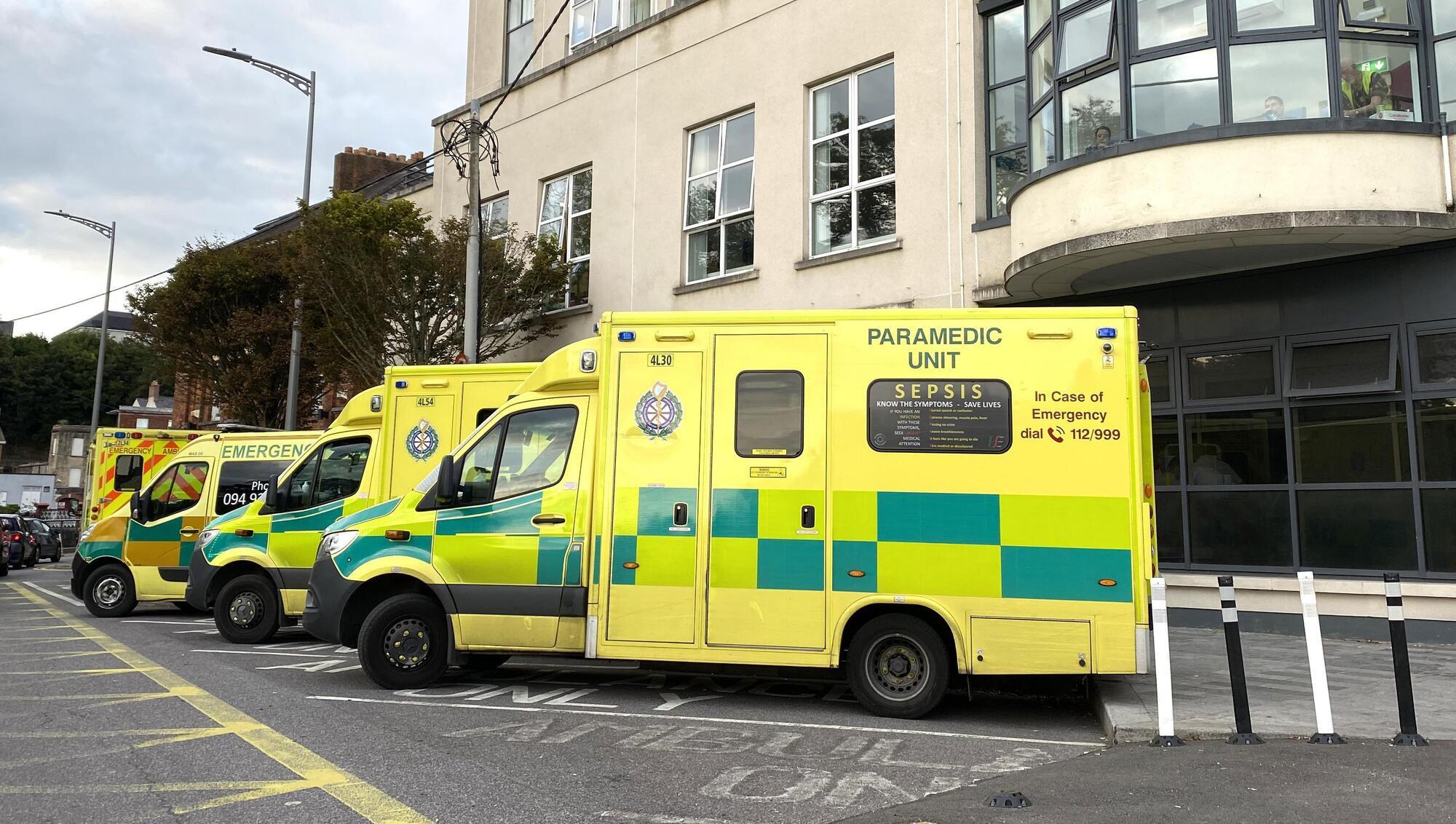
Research led by medical staff at the HSE South West’s Department of Public Health found there was an 18% increase in the number of 'apparently drunk' patients attending the emergency department of Mercy University Hospital (MUH) in Cork between 2022 and 2023. File Picture: Larry Cummins
There is a growing trend in the number of patients arriving in the emergency department of one of Cork’s main hospitals in an “apparently drunk” condition, which may be linked to an increase in homeless numbers, according to a new study.
Research led by medical staff at the HSE South West’s Department of Public Health found there was an 18% increase in the number of “apparently drunk” patients attending the emergency department of Mercy University Hospital (MUH) in Cork between 2022 and 2023.
Such patients represented approximately 3% of a total of 1,662 presentations examined as part of the study.
The presentations were made by 1,109 unique patients. The number of “apparently drunk” presentations increased from 763 in 2022 to 899 the following year.
The hospital has approximately 220 inpatient beds, and it treats around 32,000 people each year on average in its emergency department. Almost three quarters of all patients who were classified as “apparently drunk” in triage were men, while the average age of such patients was 39 years.
Men accounted for a majority of cases in each age group — with the exception of those under 19 years.
The study said one of the notable findings was that 23% of presentations related to people who were experiencing homelessness, while 81% of “apparently drunk” patients had to be brought to the hospital by ambulance.
Significant injuries were associated with such patients, with 7% suffering head injuries and 6% having falls or collapses. Another 5% had mental health issues while 4% had been the victim of an assault.
The study found men were more likely to have head injuries, while women were more likely to have a fall or collapse.
Almost half of all “apparently drunk” cases arrived at the hospital between midnight and 6am, while Saturday and Sundays were the peak days for seeking treatment at the MUH.
More than three quarters of such patients were classified as in need of urgent, very urgent, or immediate treatment at triage.
The authors of the study, whose findings are published in the , noted that alcohol is a significant public health concern, while also placing a substantial burden on hospitals and ambulance services.
They pointed out that identifying avoidable causes of presentations at emergency departments of hospitals could reduce overcrowding and benefit public health.
The study said MUH, as an inner-city hospital, faced unique challenges related to alcohol consumption due to its geographical and demographic context.
However, it also expressed concern that the proposed Sale of Alcohol Bill — which aims to extend licensing hours and increase the availability of alcohol — poses a significant public health risk because of its potential to exacerbate alcohol-related presentations to emergency departments.
The authors of the research said its findings underscore the need for careful consideration of such policy changes.
The study also noted that two ambulances per day were dedicated to transporting patients categorised as “apparently drunk” to MUH, which was diverting resources from other critical emergencies.

CONNECT WITH US TODAY



Be the first to know the latest news and updates