Migrant employee went 48 days without break in Kerry food outlet, WRC finds
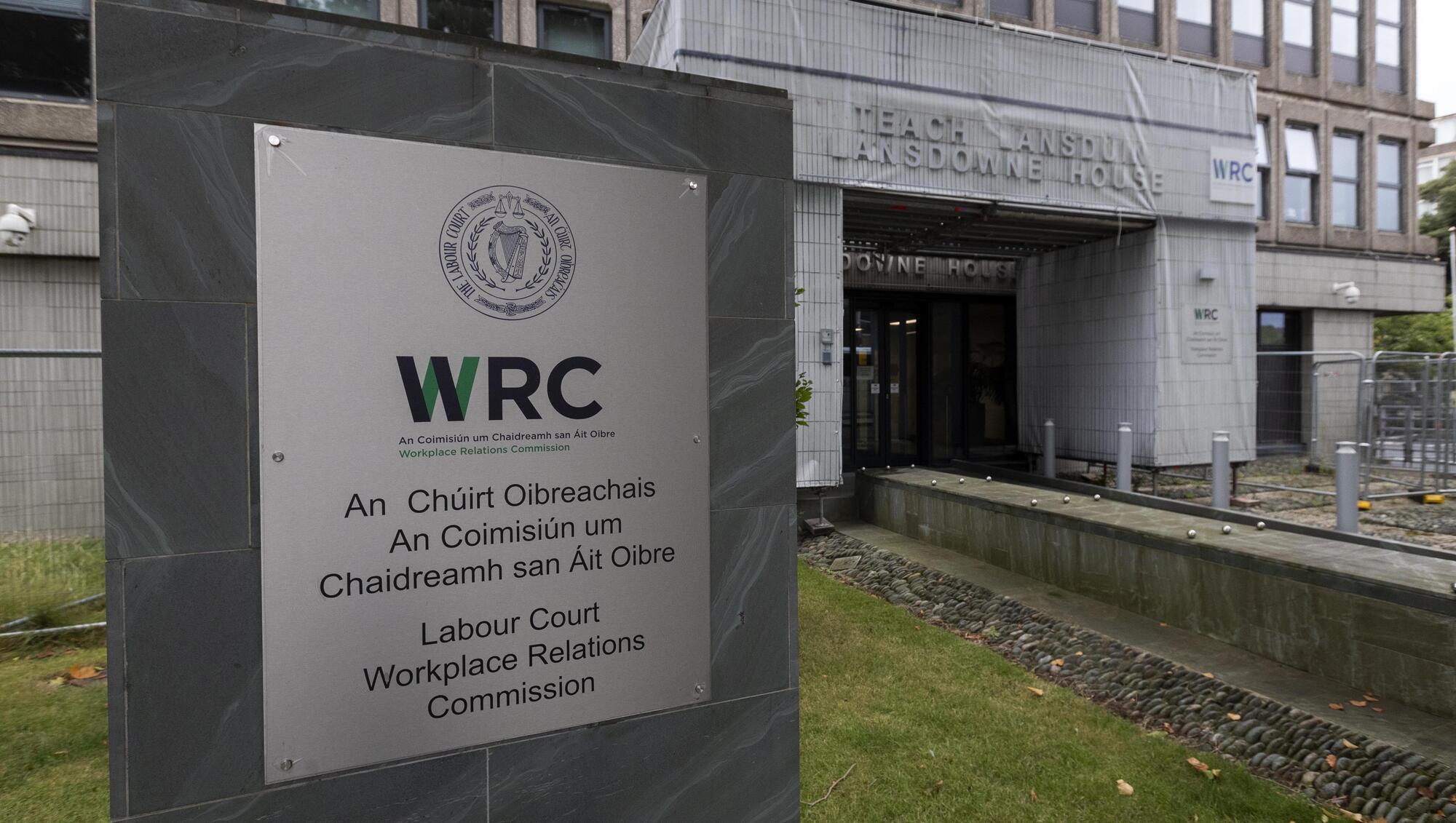
The Workplace Relations Commission awarded Suman Bhurtel various amounts of compensation under each of the complaints, which came to a grand total of €23,130 for the numerous breaches of his employment rights. Picture: Colin Keegan, Collins Dublin
There has been a surge in cases of migrant workers being exploited, forced to work without breaks or days off, and expected to put in weeks of 70 hours or more.
The Migrant Rights Centre (MRCI) said its caseload of exploited workers has doubled in the space of a year. It was commenting after the Workplace Relations Commission found that a migrant restaurant employee went 48 days without a break in a Kerry food outlet. He was awarded €23,000 for gross breaches of his employment rights.
MRCI, which supported his case, said it has a further 25 similar cases in the pipeline — double the number of worker permit exploitation cases it worked on last year. It has called for an urgent review of the State’s worker permit system.
MRCI’s co-director, Neil Bruton, welcomed the WRC ruling in this case but said the sooner people can move out of the worker permit system the less the chances are of seeing this type of mistreatment.
He welcomed recent changes to the ‘general employment permit’ (GEP) rules which allow a GEP holder to change employer after nine months, but he criticised the requirement for a permit holder to remain in the same sector — for example, a meat factory worker must remain working in the meat factory industry.
“We think reducing the period required on a permit from five years to two years is fairer and the majority of the general public agrees,” he said.
The call came arising out of the case of Suman Bhurtel, who was working with a GEP as a chef de partie with Chicken Castle Ltd, trading as Chicken Club on Main Street, Castleisland.
When his employment was terminated, he sought advice from MRCI in February 2024, which led to the submission of his complaints to the WRC.
He alleged several violations of his basic employment rights and entitlements, including payment of wages below the legal minimum, as well as issues with Sunday premium pay, public holiday pay, the organisation of his annual leave and weekly rest periods.
The WRC heard that Mr Bhurtel’s immigration visa, job and accommodation were all dependent on his employment with the company, which left him in a vulnerable position. He was also in the process of family reunification which further tied him to the company.
The WRC was told that he had a €30,000 salary but he did not receive annual leave in 2020 or 2021, despite the 30-day annual leave entitlement in his contract, and was instead told to carry over his annual leave for a longer period.
Mr Bhurtel said it was the norm to work seven days, and he produced his own records which showed he worked several lengthy periods without a day off, including one 48-day stint between March 8 and April 25, 2023, and two 19-day stints, one between June 15 and July 3, 2023, and the other from July 5 to July 23, 2023.
Satwinder Singh, secretary of the company, insisted that Mr Bhurtel worked a 39-hour week from Tuesday to Saturday, that he was never scheduled for work on public holidays or Sundays, and that his salary included a Sunday premium. He also said Mr Bhurtel got weekly breaks but he could not provide the records to the WRC hearing.
WRC adjudication officer Úna Glazier-Farmer accepted "in their entirety" detailed timesheets presented by Mr Bhurtel and said in several instances, no credible evidence or records were presented by the employer.
She upheld all of his complaints.
She said in light of the “grossly excessive hours” he worked, supported by the strength of his documentary evidence, his €30,000 salary was not enough to discharge the employer’s obligations under the National Minimum Wage 2000 Act, with his earnings equating to just €8.24 an hour.
She awarded him various amounts of compensation under each of the complaints, which came to a grand total of €23,130 for the numerous breaches of his employment rights.
The ruling can be appealed by the company.
CONNECT WITH US TODAY



Be the first to know the latest news and updates