Review launched at UHL following death of mother-to-be
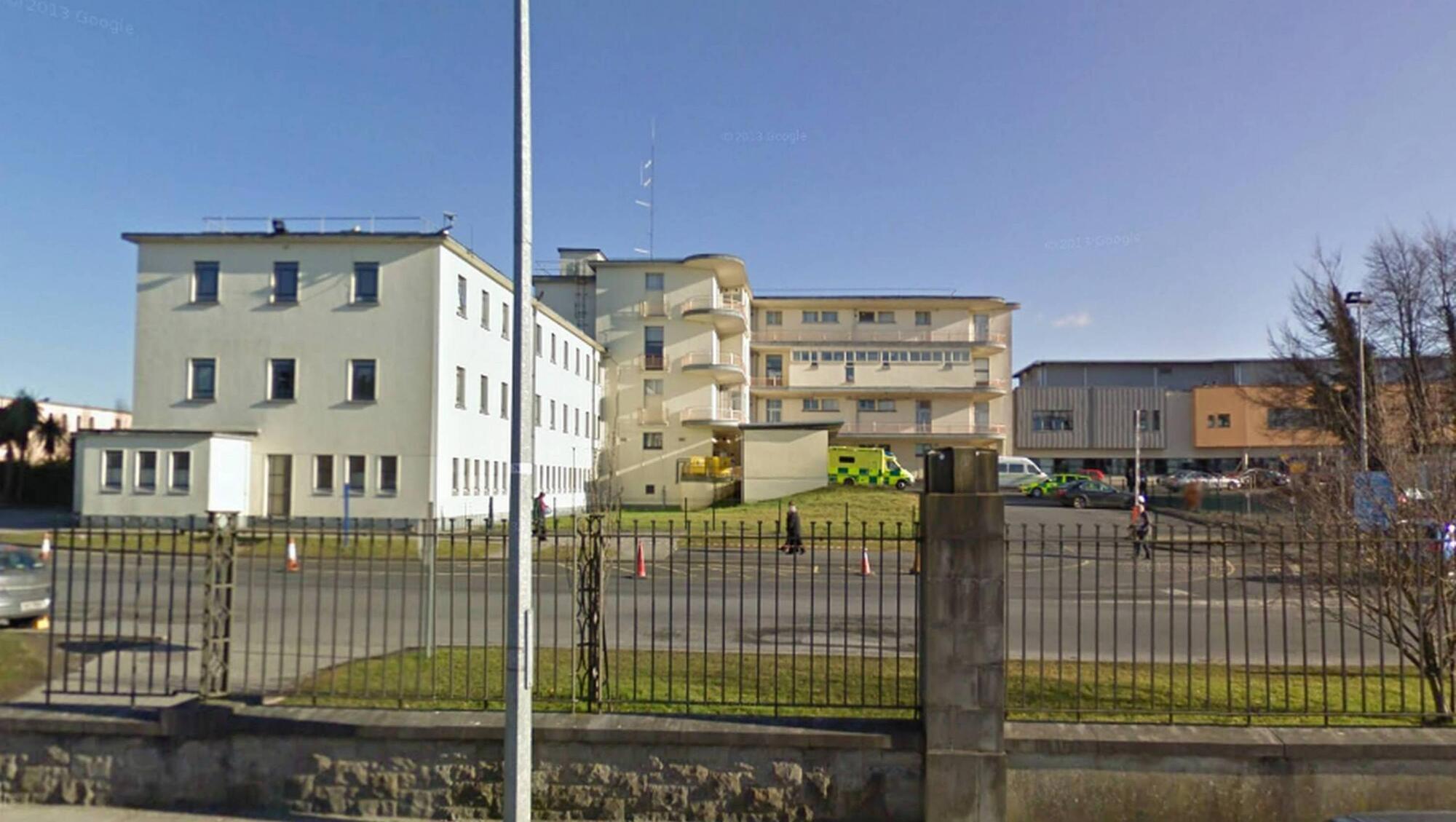
The woman was transferred to University Hospital Limerick where she later died.
The UL Hospitals Group (ULHG) has confirmed that a review has been launched in the death of a woman last week.
Responding to reports of the death of a 33-year-old mother-to-be, the Group said it is currently reviewing the circumstances surrounding the death of the patient.
"This is normal HSE practice where a sudden death occurs in our care. This review will inform any future actions."
The reported that a woman who was pregnant with her first child attended University Maternity Hospital Limerick on February 15 as she felt unwell.
She was transferred to University Hospital Limerick (UHL) on February 17 where she underwent a number of tests. Later that day, the woman and he husband were told they had lost their baby.
The following day, February 18, the woman's condition deteriorated rapidly and she died after suffering a cardiac arrest.
In a statement today, the HSE said that people should not jump to any conclusions when it comes to unexplained and/or sudden deaths at UHL.
"In relation to recent deaths and cases in UHL, each case is looked at in its own right. Two cases are rarely the same.
ULHG launched an internal investigation after the death of a 16-year-old last month.
The teenager was admitted to UHL, consistently the worst performer nationwide in terms of trolley numbers, with a respiratory complaint.
This internal inquiry launched by the group was the second such investigation instigated at the hospital in less than two years following the death of 16-year-old Aoife Johnston from meningitis at UHL in December 2022.
The HSE criticised those it said were "putting forward inappropriate conclusions about some of these cases" which it said could affect the confidence of people attending the hospital.
"We always address legitimate concern and questions, and have done so recently in the Mid West," the statement said.
HSE CEO Bernard Gloster said the hospital would follow the Incident Framework which has robust mechanisms for inquiring into unexpected deaths, unexplained poor outcomes and complaints.
In the case of maternal death, there are "very specific" natural processes followed regardless of the cause of death.
Conclusions are based on systems analysis reviews, coroners courts and, if the evidence suggests, further appropriate inquiry, the HSE said.
"When examining a concerning outcome we do not start from a conclusion. We assess the evidence, and then draw conclusions," said Mr Gloster.
"The primary aim is first to establish what happened and how, and then to take any appropriate actions. Most such reviews, no matter what the outcome, give us the opportunity to learn how to improve for other patients and service users.
"I have mandated a questioning environment in the interests of patient safety which I believe our staff accept as the norm."
The HSE moved to assure the public that each case would receive its full attention.
CONNECT WITH US TODAY



Be the first to know the latest news and updates