Homelessness 'can happen to anybody. Until it happens, you are clueless'
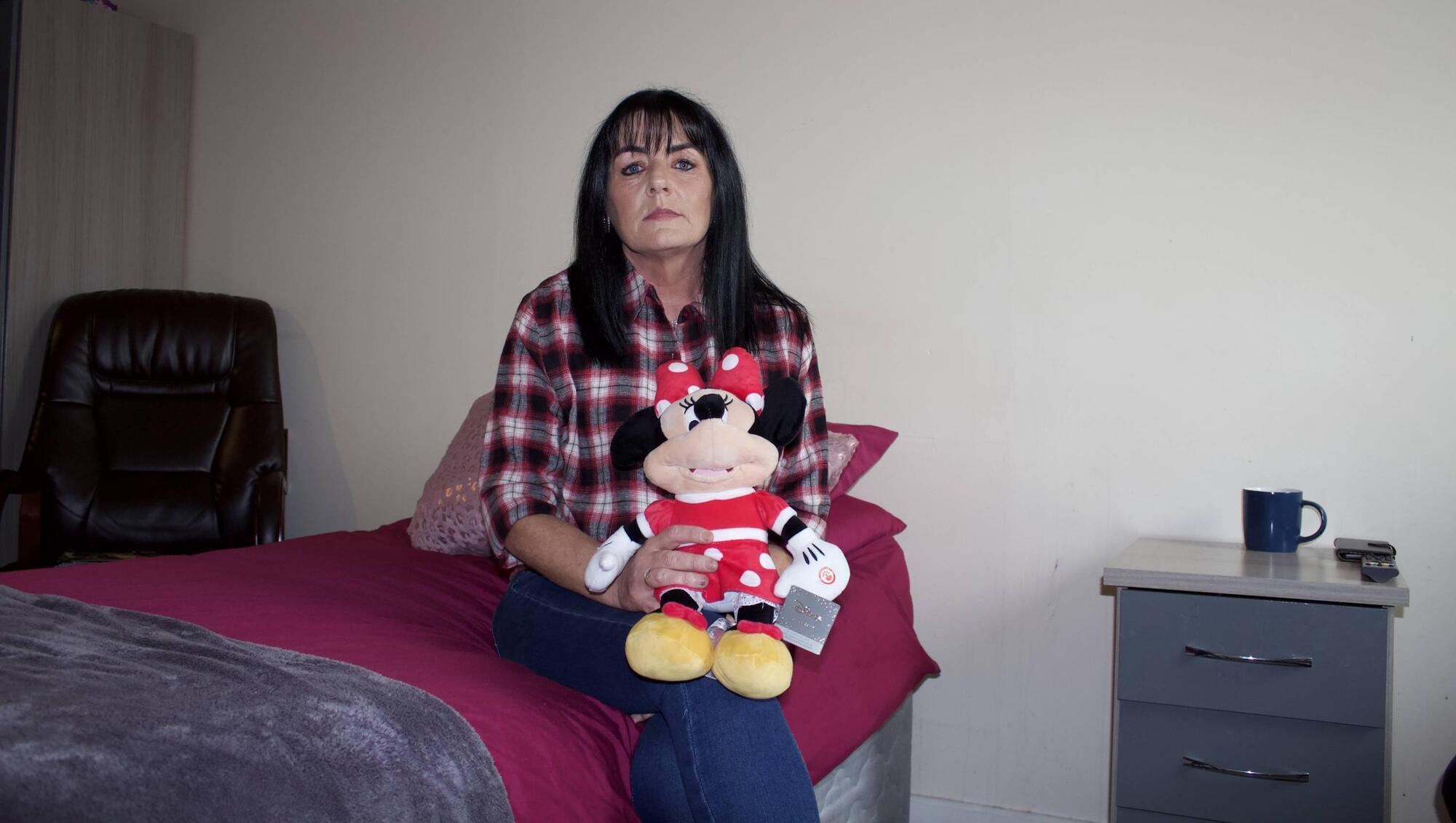
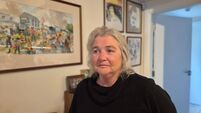
Helen McInerney, 54, in the bedroom she has been staying at in the Novas temporary emergency homeless shelter, Limerick, for the past six months, after she became homeless when her landlord sold her home. Pictures: David Raleigh
Helen McInerney didn’t abuse drink or drugs, and she always paid her bills, but now she sleeps in a homeless shelter, alone, after her landlord sold her rented family home on the private market.
Her sudden plunge into homelessness split her from her daughter and her grandchildren, who are in separate emergency homeless shelters, and has been “horrible” and “heartbreaking”.
After living out of a hotel room, she has, for the past six months, been staying at the Temporary Emergency Provision (TEP) accommodation centre run by the charity Novas, in Limerick.
However, the shelter’s house rules, similar to that of an emergency family hub where her daughter and grandchildren now languish, do not permit visits.
Holding back tears, and sitting in her lonely surroundings, hugging a teddy bear belonging to one of her grandchildren, Helen said: “I have nowhere to meet my grandchildren, so now we meet on the street corners of Limerick City, it’s devastating.”
In a warning to others who may believe they are cushioned from homelessness, the 54-year-old said: “It can happen to anybody — people don’t realise. Until it happens, you are clueless.”
“I always thought, ‘that’s definitely not me’. Why would it come and knock on my door?”
She has engaged with Limerick City and County Council’s housing department, and completed all the necessary paperwork in order to apply for an affordable home for her and her family, but "there are no properties out there”.
In its 2022 annual report, published on Friday, Novas warned that “fewer” people were able to access its temporary homeless accommodation in Limerick and Dublin last year because of the “protracted length of time people spent living there”.
Painting a stark outlook through to 2024, Una Burns, head of Novas policy and communications, said: “Temporary and emergency homeless accommodation is designed for six months or less, but what we are finding now is that many of our residents are living in services for years.”
Residents living for longer in emergency shelters also face “becoming institutionalised as you can lose your life skills, because you don’t have opportunities to cook for yourself, to pay your own bills, to manage a home like people would like to do”.
Una Deasy, Novas chief executive, said that “a lack of one-bed units, in particular”, had made exit pathways from homelessness “extraordinarily difficult” and that access to emergency accommodation was being “blocked” by “single adults” who were “too long stuck” in the temporary system.
Novas said the number of women able to access its temporary accommodation services in Dublin dropped from 333 to 224 between 2014 and 2022 “despite more than doubling capacity during the same period”.
It also noted that accessibility at its Limerick TEP dropped from 320 in 2018 to 181 last year.
Despite her ordeal, Helen McInerney said she remained hopeful that she would one day again “be able to cook for my grandchildren and be a meaningful part of their lives”.
Novas launched eight 1-bed Georgian-style apartments on Newenham Streett, Limerick City — the first Georgian redevelopment nationally to achieve a A3 BER rating — built by Shineline Limited, to allow people a direct pathway out of homelessness.
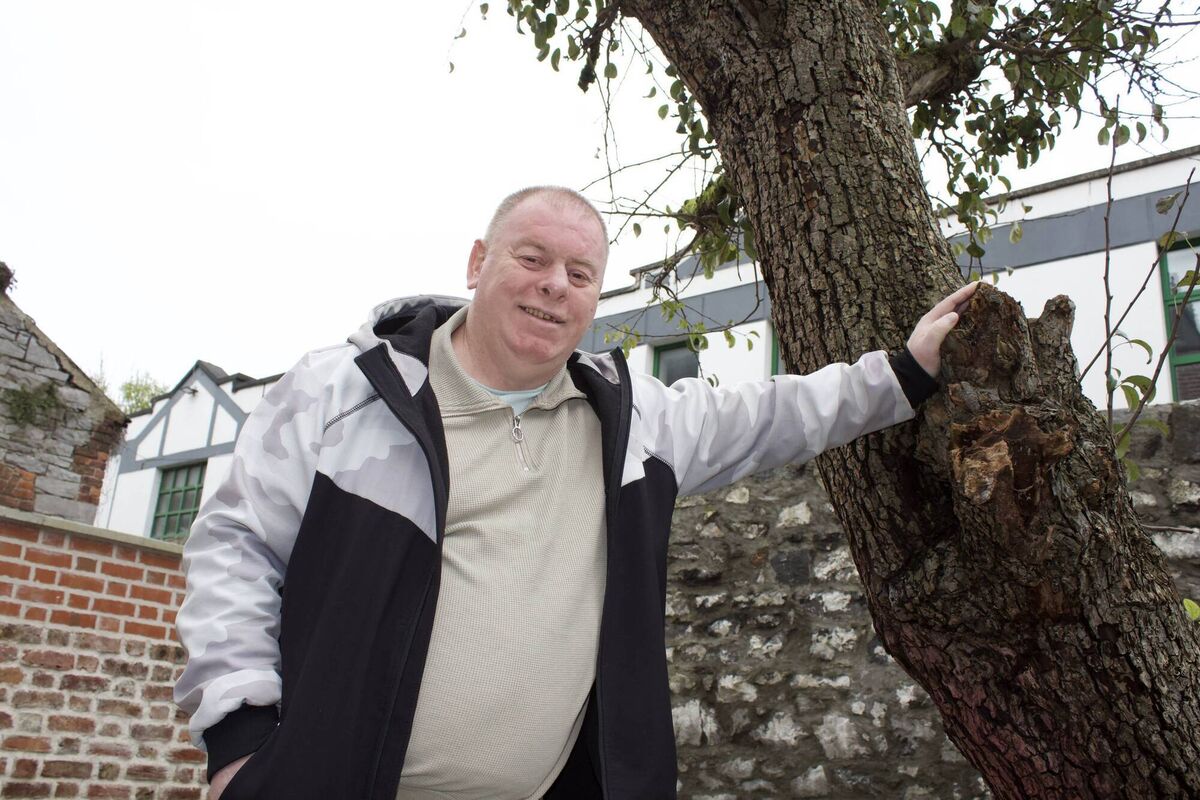
Roy Finn, 56, from Moyross, Limerick, who spent the past 20 years in and out of homeless services, said being offered one of the eight apartments was “like winning the lotto”.
“This is a fabulous place, I’m definitely looking forward to the future now, I’ll cook a lot more now, I love cooking, I used to work in the kitchens in hostels.
“I’m finally in my own place now, I know there are still people from Novas that I can call on, but just to have my own independence is important.”
CONNECT WITH US TODAY



Be the first to know the latest news and updates