Who has Andy Burnham picked to be in his Cabinet?
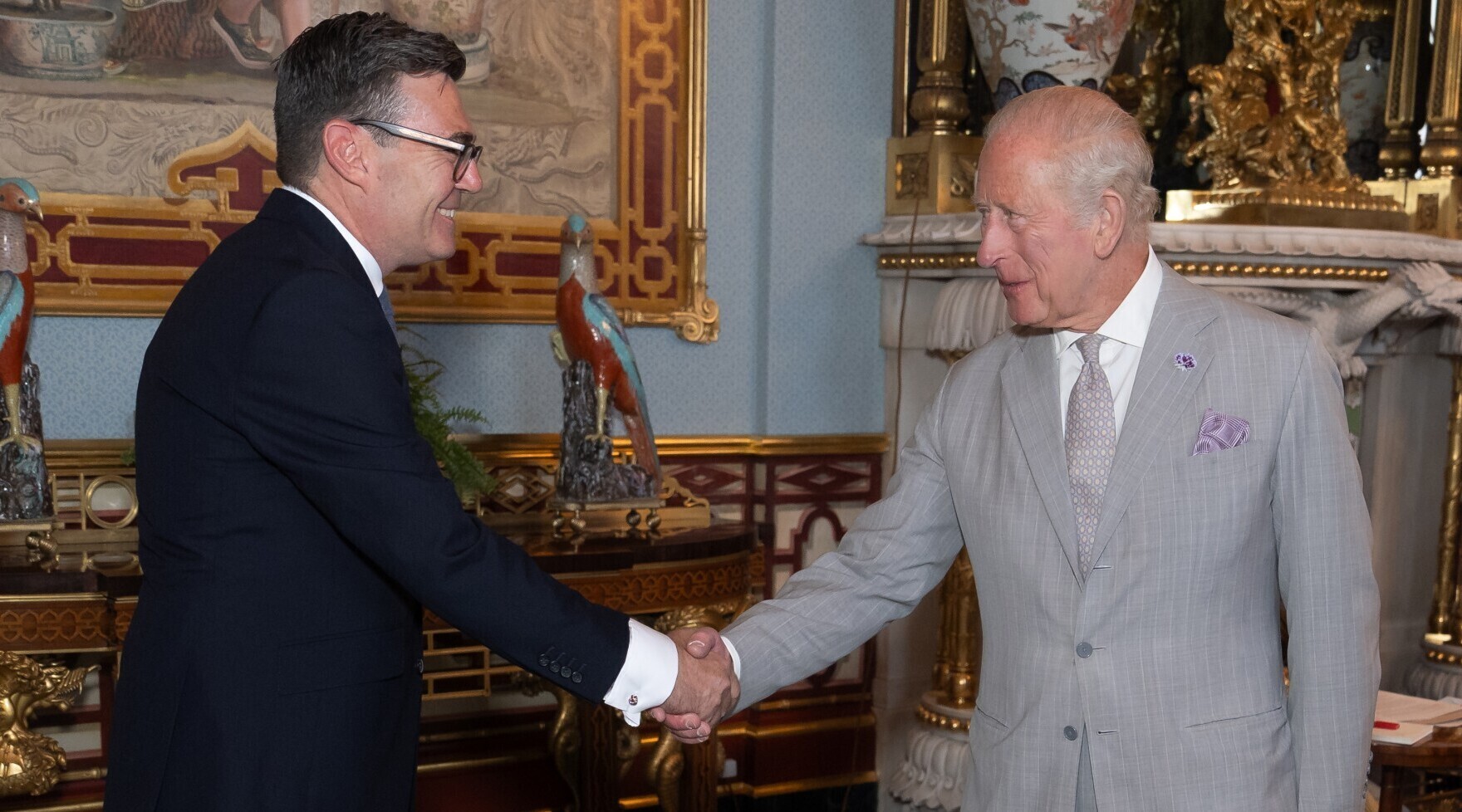
King Charles with Andy Burnham, during an audience at Buckingham Palace, where he invited the newly elected leader of the Labour Party to become prime minister and form a new government. Picture: Aaron Chown/PA
Andy Burnham is selecting his Cabinet after replacing Keir Starmer as British prime minister.
Here are the appointments so far:
A stalwart of Labour’s frontbench, Healey served in the Blair-Brown governments, as well in as the shadow cabinets of Ed Miliband and Jeremy Corbyn. He then became Starmer's shadow defence secretary, and then defence secretary after the 2024 general election. Healey now finds himself leading the Treasury, a department which provoked his exit from government in June. His shock resignation as defence secretary came after a row about increasing defence spending. That proved a consequential moment in Starmer’s downfall as PM. A source in Burnham’s new ministry said Healey had been appointed because he is a trusted and experienced figure within Labour, who shares the same outlook as the new prime minister.
Read More
Dubbed “Red Ed” by the tabloids during his time as Labour leader, and subject to embarrassing photos of him eating a bacon sandwich being published in the press in the run-up to the 2015 general election, Miliband returned to frontline politics following the Corbyn era and had served as energy secretary in Starmer’s government since Labour’s election win in 2024, spearheading the net-zero agenda. He now moves to the role of foreign secretary, effectively Britain’s top diplomat. Miliband is said to have been appointed because of his experience of international leadership and negotiating with other nations across the world during his time as energy secretary.
Mahmood remains as home secretary under Burnham. In that role, she has led the government’s work on creating stricter migration controls. As Labour’s efforts to tackle smuggler gangs have borne fruit in reducing Channel crossings, calls from backbench Labour MPs to soften new migration curbs could prove an early flashpoint for Mahmood and the new prime minister. Oxford-educated former barrister Mahmood served as justice secretary when Labour first won power, before her appointment as home secretary. She is one of the first Muslim women elected to the Commons, having won the seat of Birmingham Ladywood in 2010.
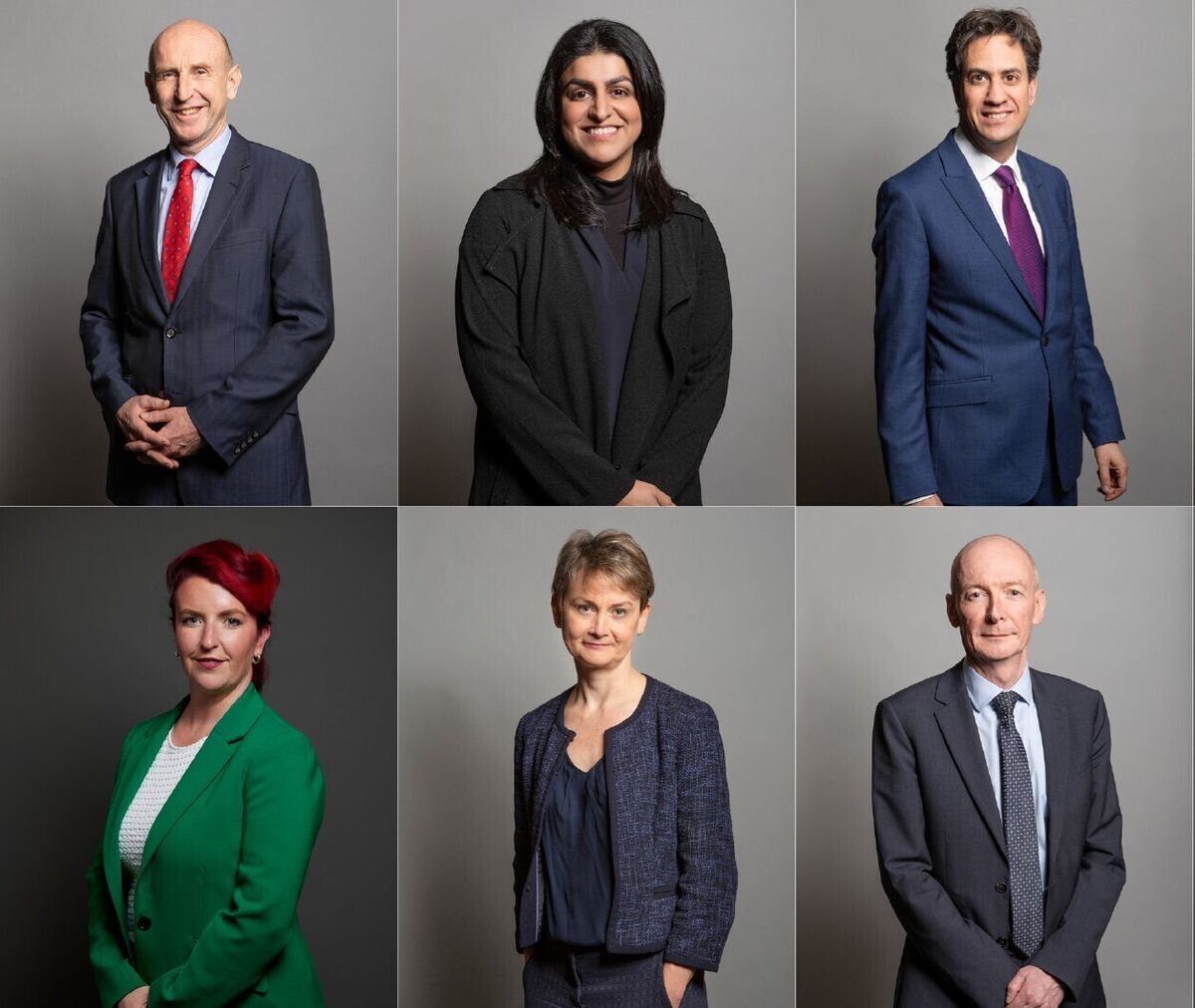
Haigh became a key figure in Burnham’s plans to return to Westminster and enter Downing Street, and was dubbed part of a group of “northern power women” who had masterminded the campaign by the new prime minister when he won the Makerfield by-election. She has criticised what she described as a boys’ club culture at the heart of Starmer’s No 10 operation, after she was forced to resign as transport secretary over a historic criminal offence related to incorrectly telling police that a work mobile phone was stolen in 2013. Haigh is expected to drive Burnham’s priorities for government across the Whitehall machine, including the devolution agenda and plans to tackle the cost-of-living crisis.
Cooper, who served as home secretary then foreign secretary in Starmer’s government, has been moved to the Cabinet post overseeing health and social care in what is considered by some Westminster watchers as a demotion from one of the four “great offices of state”. She was viewed as a rising star under New Labour, and she served in the Blair and Brown governments alongside Burnham, before being relegated to the backbenches under Jeremy Corbyn. Cooper has been trusted with overhauling the social care sector, an area which Burnham has said will be one of his priorities as prime minister.
Veteran frontbencher McFadden remains in his ministerial post overseeing welfare spending and the state pension. He was widely seen as loyal to Starmer, and was at times described as “the real deputy prime minister” in his time as chancellor of the Duchy of Lancaster. McFadden, a long-time Labour man who was born in Glasgow to Irish-speaking parents from Donegal, played a central role in shaping Labour’s direction in the run-up to the election. Softly spoken and serious, much of his work has taken place behind the scenes, though he is frequently relied on to reinforce the party line with appearances on the morning broadcast rounds.
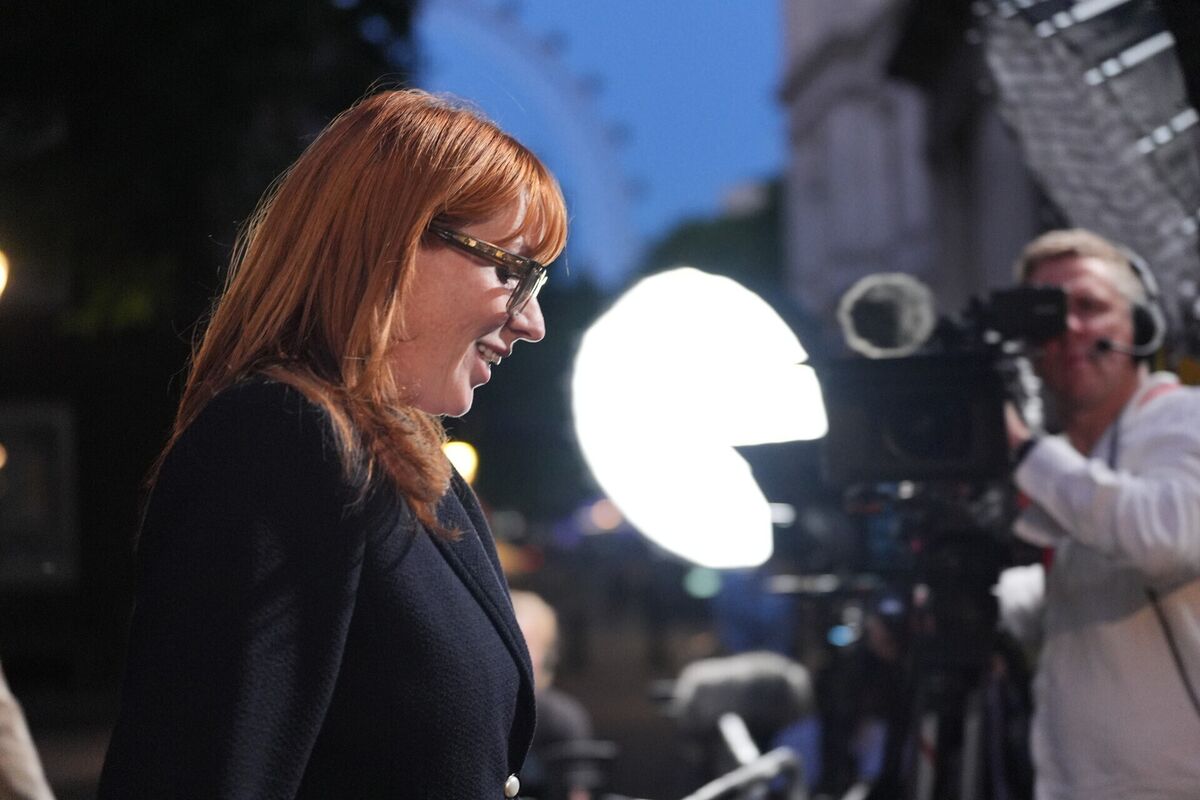
Once dubbed Labour’s Red Queen, Angela Rayner returns to the frontline of government as housing secretary after resigning from the same role in Starmer's cabinet, as well as her jobs as Labour’s deputy leader and deputy prime minister, over her tax affairs last year. The Ashton-under-Lyne MP has since been cleared of any wrongdoing by HMRC. She was spotted meeting with Burnham in Greater Manchester earlier this year, in a sign she was willing to back his bid for No 10. A self-described socialist, Rayner championed Labour’s workers' rights package in her previous cabinet role.
Reynolds returns to the role of business secretary, which he held when Labour first came to power, before he was moved sideways to become the party’s chief whip. The role appears to have been significantly beefed up since he first held it, and now covers science and technology as well. When Labour won the election in 2024, Reynolds was at the forefront of Labour’s efforts to redraw its relationship with the City alongside Rachel Reeves. As chairman of Christians on the Left, Reynolds has described his faith as hugely important to his politics. In 2013 he told the Commons he would vote for equal marriage “because I am a Christian, not in spite of it”.
Manchester Central MP Lucy Powell held a number of positions in Starmer’s top team, and continues to be Labour’s deputy leader, an appointment prompted by Angela Rayner’s exit from frontline politics. She was the preferred choice of Labour members for that position, and won it over Starmer ally Bridget Phillipson. Powell was among the Labour MPs who were early to help Burnham’s campaign to return to Westminster in the Makerfield by-election.
Midgley will be a member of the Cabinet as she takes up the role of chief whip, the government’s chief enforcer in parliament. The role may however been somewhat different under Burnham, who has spoken of his dislike for the whipping system used to ensure MPs vote with the government. Midgley is seen as a close ally of Burnham and was among the “northern power women” he paid tribute to when he won the Makerfield by-election. She accompanied him into the House of Commons when he was sworn in as an MP.
Phillipson, a close ally of Starmer, has lost her job as education secretary, but remains as the minister for women and equalities, and will attend Cabinet. In that role in Starmer’s government, Phillipson has overseen widely debated reforms to Equality and Human Rights Commission guidance on trans people. Phillipson came from a struggling single-parent family but says she was far from the worst off in her class. Her upbringing shaped her approach to the education brief she used to hold, in which she outlined Labour’s mission to smash the “class ceiling” by removing barriers to opportunity for less advantaged children.
Nandy, who has kept her job as culture secretary and is a close ally of the prime minister, was seen as something of an outsider in Starmer’s cabinet, and her Greater Manchester constituency of Wigan borders Burnham’s in Makerfield. After Labour’s defeat in the 2019 general election, Nandy stood in the leadership election to replace Jeremy Corbyn, but she finished third behind Starmer. While in opposition, Starmer demoted Nandy from shadow foreign secretary to shadow levelling up secretary and then shadow cabinet minister for international development.
Initially seen as Burnham’s main potential rival but ruled himself out of the Labour leadership contest shortly after Starmer announced his resignation. He had previously repeatedly insisted he had the 81 names required to mount a leadership bid, and spent weeks after resigning from government setting out his stall. Streeting quit as health secretary in May, telling Starmer in his resignation letter that “it is now clear that you will not lead the Labour Party into the next general election” and days later told reporters that he would enter a contest to replace Starmer.
Previously served as minister of state for border security and asylum. Earlier this month, Norris said “all options are on the table” regarding the deportation of Rochdale grooming gang leader Shabir Ahmed who was released from prison.
Eagle served as minister of state for pensions and ageing society from June 2009 until May 2010 under Gordon Brown. She announced a leadership challenge to Jeremy Corbyn in July 2016, but withdrew eight days later leaving Owen Smith to challenge Corbyn for the leadership. Eagle has been the MP for Wallasey in Merseyside since 1992.
Fahnbulleh, who resigned as a housing minister in protest at Starmer's leadership earlier this year, has been advising Burnham and fleshing out his policy plans. Fahnbulleh is considered to be a member of Burnham’s inner circle. She previously served as a parliamentary under-secretary of state in the Ministry of Housing, Communities and Local Government and is also considered to be a close ally of Ed Miliband.
Ellie Reeves, sister of former chancellor Rachel Reeves, has served as solicitor general since September 2025. A former barrister, she previously served as chair of the Labour Party and, while Labour was in opposition, as shadow solicitor general and shadow minister for prisons and probation.
Swindon South MP Heidi Alexander will remain transport secretary, a post she has held since November 2024. She previously served alongside Andy Burnham in Ed Miliband’s shadow Cabinet before being appointed shadow health secretary by Jeremy Corbyn in 2015. After returning to parliament at the 2024 general election, Alexander briefly served as a justice minister before moving to the transport brief.
The former Anglican priest has been the MP for Rhondda and Ogmore, and previously Rhondda, in Wales, since 2001. Earlier this month, he said the government was “actively considering” a ban on trade with illegal Israeli settlements, but suggested there were challenges around determining the source of goods. Bryant was previously minister of state for trade and earlier this year described Andrew Mountbatten-Windsor as “a rude, arrogant, and entitled man who could not distinguish between the public interest, which he said he served, and his own private interest”.
Alexander, who has been reappointed as secretary of state for Scotland, previously served as chancellor of the Duchy of Lancaster, transport secretary, and international development secretary in the cabinets of Tony Blair and Gordon Brown. Scotland’s first minister John Swinney said on Monday that relations with Westminster had deteriorated over the last year as he signalled he did not want Alexander to return as Scottish secretary in Burnham’s government. Last month, Alexander admitted to an “oversight” in failing to declare for a year-and-a-half that he had met Peter Mandelson’s lobbying firm.
Replaces Jo Stevens as Welsh secretary after two years in the role. Kinnock is the son of former Labour leader Neil Kinnock and is married to Helle Thorning-Schmidt, a former Danish prime minister. He previously served as care minister under Starmer’s premiership.
Reynolds previously served as environment secretary for around 10 months, before which she was the economic secretary to the Treasury. The former City lobbyist was first elected to parliament in 2010, then lost her seat in 2019 before returning as Wycombe MP in 2024.
Will oversee AI policy as a minister straddling the Cabinet Office and the Department for Business, Innovation, Science, and Trade, with Burnham promoting the role to attend Cabinet. Born in India and raised in Wales, the Vale of Glamorgan MP’s pre-politics career saw him advising and investing in tech start-ups in the City and Silicon Valley.
Falconer remains at the Foreign Office, but pivots from a focus on the Middle East to Europe as he replaces Nick Thomas-Symonds in leading work on the UK’s post-Brexit relationship with the EU. He has a long track record at the department, having previously served as a diplomat when he had to negotiate with the Taliban as Britain’s lead on hostage recovery. He is the son of Charlie Falconer, who was lord chancellor under Tony Blair.
Pennycook remains in the post he has held since 2024 and will now attend Cabinet. It provides continuity to the sector, where he has worked on overhauling planning, strengthening private renters’ rights and leasehold reform. Before becoming the Greenwich and Woolwich MP in 2015, he was a Labour councillor in the area, having worked in the charity sector with a focus on child poverty and low pay.
The veteran MP, who stays in the job he took on last year, had vast experience in the whips’ office, having been Labour’s deputy chief whip and then chief whip since 2010.
CONNECT WITH US TODAY



Be the first to know the latest news and updates