Migrant men sharing tents at Clare refugee centre
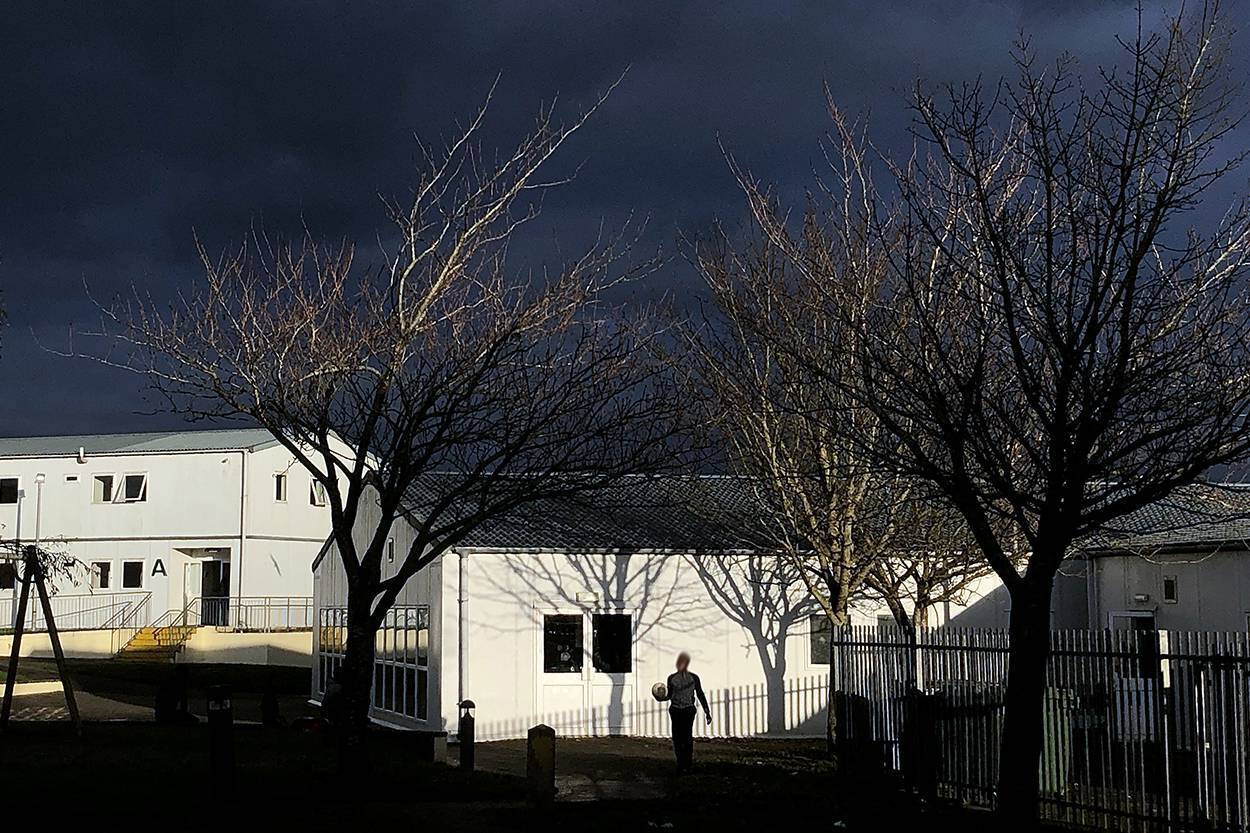
A boy playing football at Knockalisheen direct provision center located in Co Clare, Ireland. Mostafa Darwish LONGREAD
Almost 100 men seeking refuge in Ireland continue to sleep in 'inhumane' tents provided by the State in Co. Clare tonight as no alternative accommodation could be found despite the sub zero temperatures.
A total of 103 international protection applicants [IPAs] have been living in the tents near Knockalisheen, just outside Limerick city, since last September.
Six of them were moved to warmer and more suitable accommodation today, but 97 continue to share thirteen "multi-purpose tactical shelter tents,” on lands owned by the office of public works, said a spokesman for the department of children, equality, disability, integration and youth.
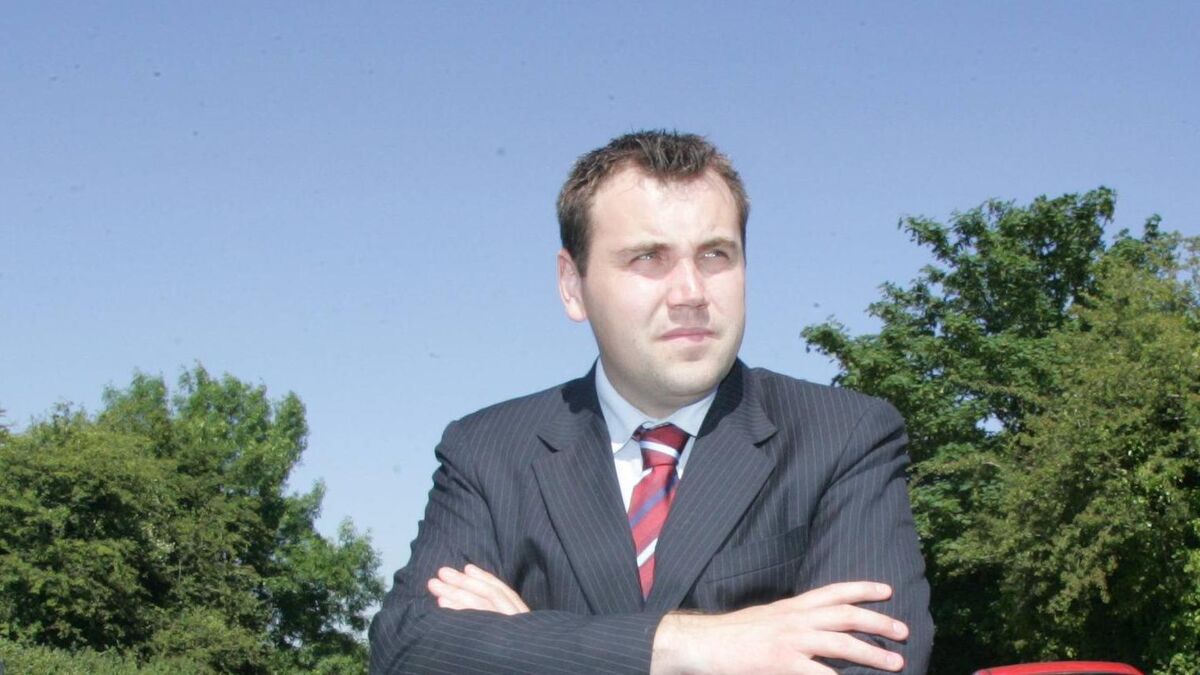
Local Fianna Fáil TD Cathal Crowe, who lives nearby, said it was “inhumane” to allow people to live in the tents.
Officials from the department said they “continue to seek accommodation solutions” for the men, who were being “prioritised to move to suitable accommodation as it becomes available”, said the spokesman.
The spokesman said the department was dealing with “significantly increased numbers of arrivals (of refugees) in the context of accommodation shortages and that the Department has no option but to consider all offers of accommodation.” He said that in the last 12 months 14,700 IPAs have arrived in Ireland, including 13,600 since January 1 - compared with an average 3,500 IPA arrivals between 2017 and 2019.
“There are 103 IPAs in this facility, however six IPAs will move to alternative accommodation today”.
The tents are situated beside a direct provision centre which accommodates 200 further international protection applicants, at Knockalisheen.
Mr Crowe said: “I have grave concerns, these tents are not appropriate accommodation, certainly not in winter months, I would consider that during wintertime, it is inhumane to have people in tents.”
Dr John Lannon, of migrant rights group Doras, said it was “pleased that the movement of people from the tents in Knockalisheen is getting underway, however the problem is that it has dragged on for months now for the men who are in Knockalisheen”.
Dr Lannon said he appreciated “that if there is a sudden surge of (migrants), the tents are a little bit better than being left homeless on the streets, and that the tents may be called into use for a very short period of time”.
However, he added the men were in the tents for months and “a sense of hopelessness” was setting in.
There are no bathroom facilities in the tents so the men have to walk to the nearby accommodation centre to wash and use toilets.
“It has a negative impact on their physical and mental well-being; there is no privacy or personal space, and it is extremely cold and wet if they have to go outside to go to a toilet, at any time, but particularly at night.”
The department spokesman said: “Each tent is raised off the ground and has two fan heaters installed, and is subdivided into mini bedrooms.”
“Residents are on a full-board basis with the site operator providing a catering service, resident use the main dining room, there are also two shower blocks with toilet and wash-hand basin facilities on site, and drinking water dispensers are provided.”
Clare Immigrant Support Centre co-ordinator, Orla Ní Éilí, said the centre staff are “very concerned” for the men’s mental and physical health.
“It is imperative to get all these people out of these tents, the government is in charge of this and it is not an option that should be used,” said Ms Ní Éilí.
The Department spokesman said: “While the current reliance on emergency settings is less than ideal, these options are necessary in order to provide shelter to international protection arrivals and to prevent homelessness”.
“The Department is availing of all offers of accommodation made to it, including the use of office buildings and sports facilities to address the accommodation shortfall,” they said.
“Since 24 February 2022, the Department has worked to facilitate the accommodation solution for both IP applicants and over 49,000 Ukrainian beneficiaries of temporary protection (BOTPs), an unprecedented volume of people seeking refuge in Ireland.”
“The pressure to accommodate over 67,000 people since the start of the year has led to significant shortages particularly for the international protection seekers.”

CONNECT WITH US TODAY



Be the first to know the latest news and updates