Vat rate of 13.5% could have 'very detrimental impact' on cost of doing business
A leading hospitality group has slashed its kilowatt-hour consumption per room sold by over 30% since 2018 and says it is taking steps to carefully manage its way through the current energy crisis.
Brian Bowler, the regional operations manager with Cliste Hospitality, which between owned properties and management contracts, runs 13 hotels with almost 1,200 rooms, said the reduction in energy consumption was achieved following a detailed property-by-property assessment.
But he said the government must maintain the sector’s 9% VAT rate beyond next February to ensure the industry can survive soaring energy costs in the context of rising inflation.
“They need to look at the rising costs of doing business,” he said.
“In hospitality, there's always been a challenge in terms of the insurance side of things and it's continuing to increase and obviously the 9% VAT is a contentious issue as well.
“It's due to go back up 13.5% next February but with rising inflation, the 9% rate really is keeping us in line with the rest of Europe. It we got up to 13.5%, it could have a very detrimental impact on the cost of doing business.”
He said the sector would appreciate a signal in the budget that the rate will not increase so that they can continue to quote the lower VAT rate to groups booking for next year, and the year after.
With others in hospitality warning they may have to curtail hours, Mr Bowler said they are focused on managing costs and energy consumption, with special committees set up across the business to look at where savings can be achieved.
“Our intention will be to work our way through this and manage our consumption. Business levels will dictate that as well but we feel that we can certainly manage our way through it,” he said.
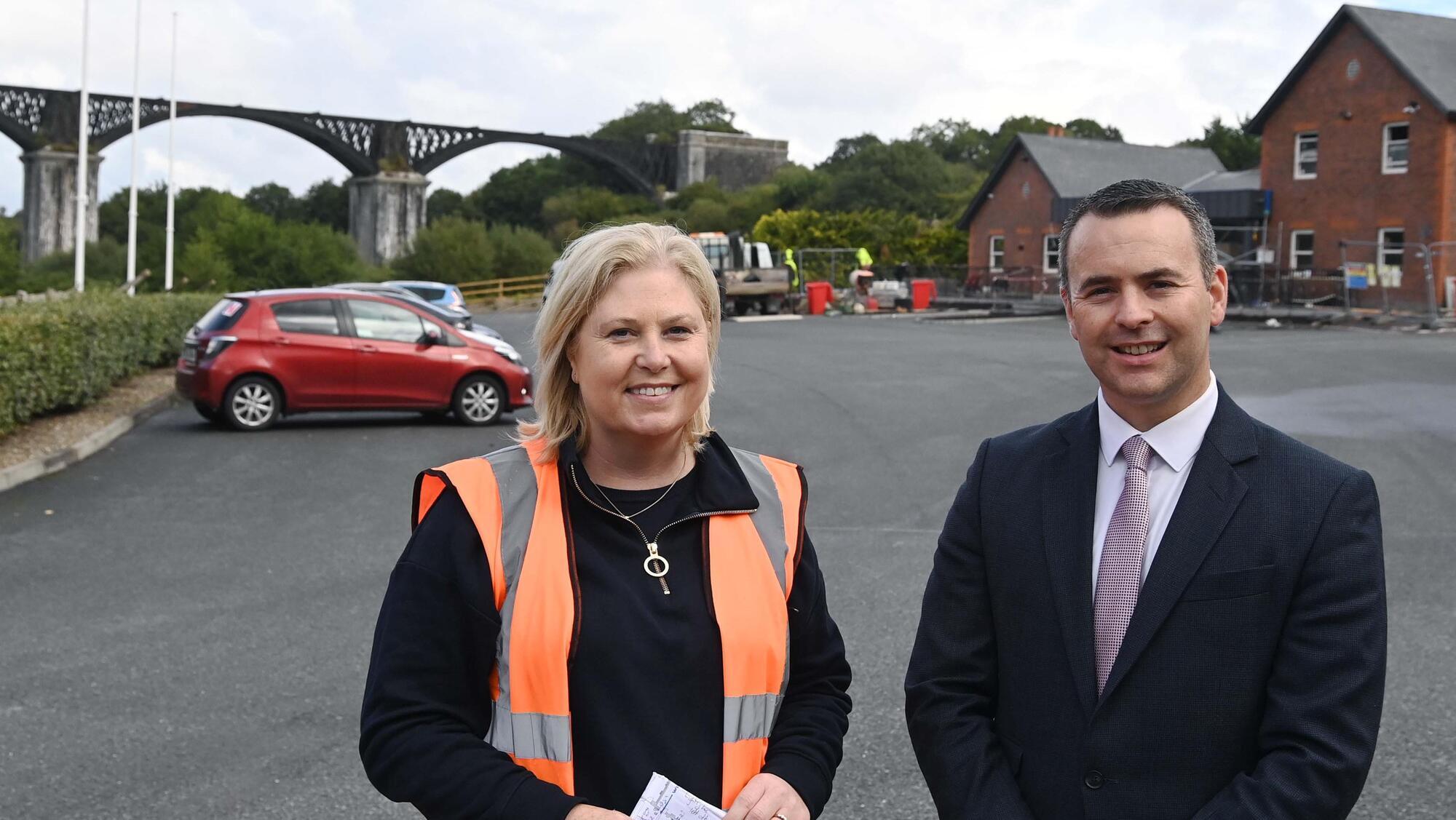
He was speaking as he oversaw the final preparations for the reopening next Thursday of Cliste’s newest venture, the landmark Viaduct Inn pub and restaurant on the N71, near Bishopstown, on the western outskirts of Cork city, in the shadow of the famous Viaduct at Chetwynd, which carried trains on its single line from Cork to West Cork until 1961.
The venue closed during the second wave of Covid restrictions and never re-opened. Cliste announced in February that it had bought the property, and it has invested significantly in a complete redesign and refurbishment, with the aim of developing it as a new dining destination.
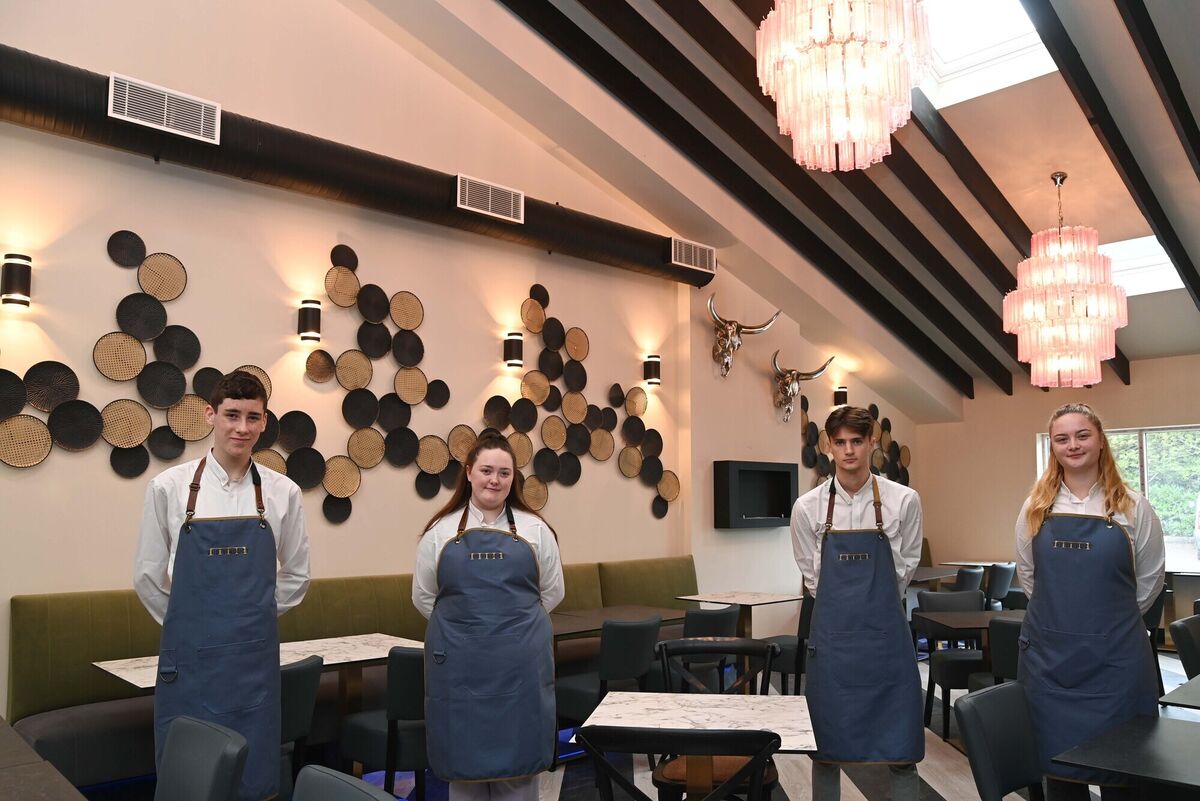
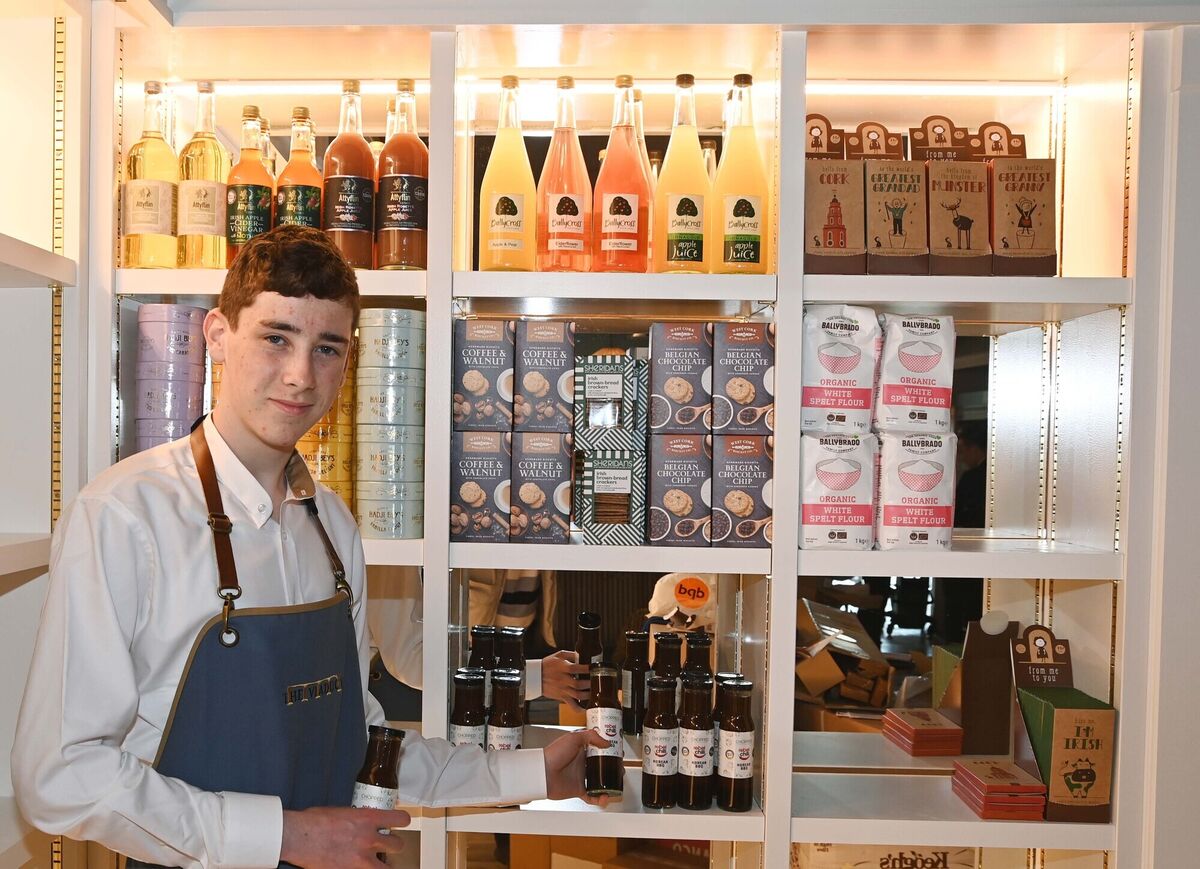
It now boasts a new private dining room and restaurant, a cafe, and a food hall stocked with Irish and Cork artisan products, which will also sell grab-and-go sandwiches and take-home meals made on-site. Food will be served on-site from 7am, seven days a week.
There are also plans to develop a covered outdoor dining space with views of the viaduct itself.
Sisters Sarah and Louise O’Leary, who used to work in the Viaduct under its previous owners, are among its 40 new staff. They said they are looking forward to welcoming their regular customers back.
“I’m looking forward to seeing the Long family, who always sat at the same table, and John who loved his biscuits and Tony with his pint of Murphys,” Sarah, 22, said.

CONNECT WITH US TODAY



Be the first to know the latest news and updates