Fuel poverty fears as Cork social house retrofitting to take a decade
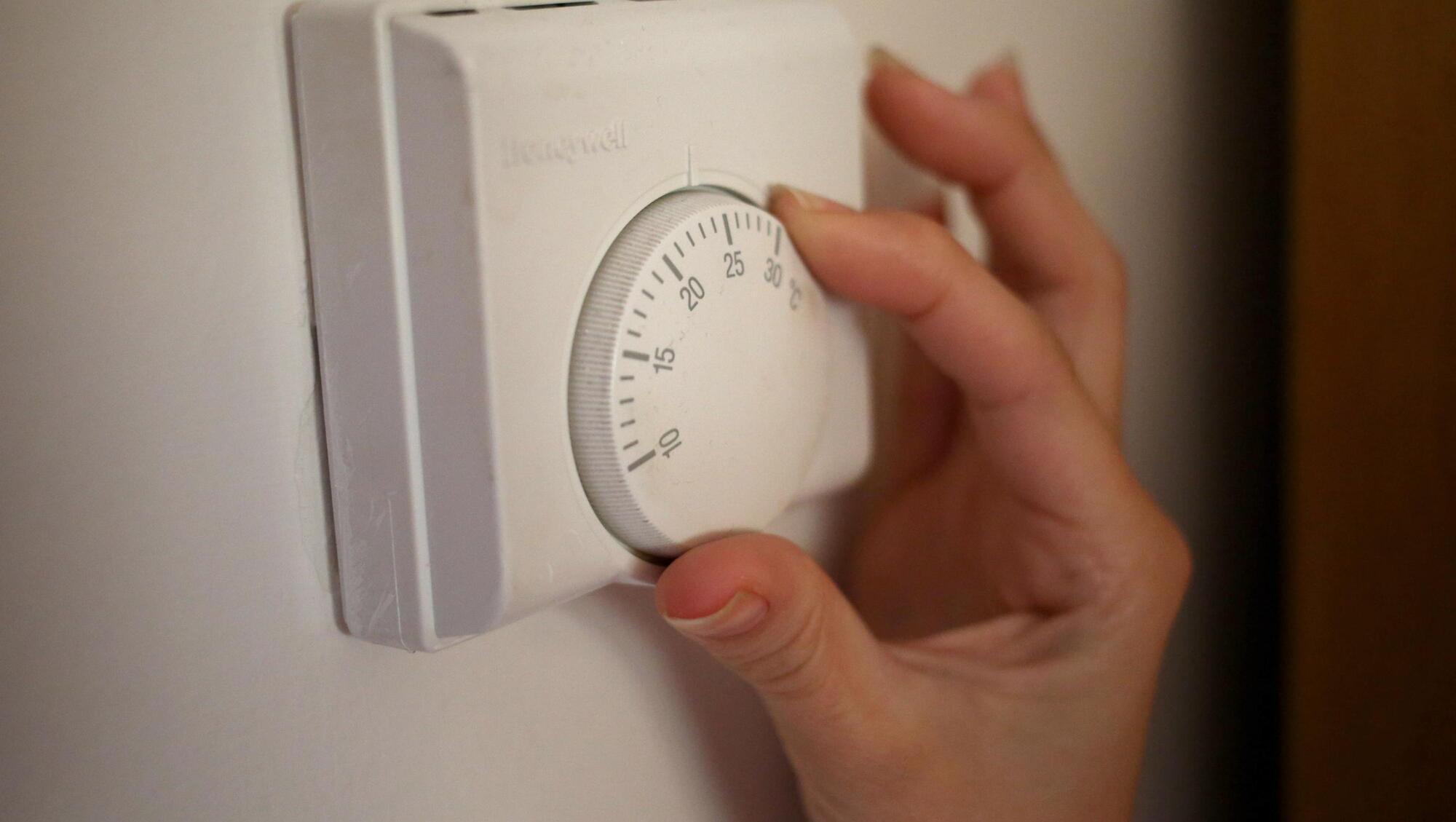
Fewer than 190 council houses will have their heating systems upgraded to a more energy-efficient system in Cork this year.
It is going to take up to a decade to retrofit all the council houses in Co Cork, leaving thousands of tenants at risk of fuel poverty as prices surge.
Fewer than 190 council houses will have their heating systems upgraded to a more energy-efficient level in the county this year leaving thousands more to be completed over the next 10 years.
The Government recently announced further grants to speed up the retrofitting, but councillors in the region say it’s simply not enough.
At a meeting of the local authority’s Northern Division, Fianna Fáil councillor Frank O’Flynn said 10 years is far too long to wait for many tenants, especially elderly people who feel the cold more and who have very limited financial resources to combat the current surges in coal and gas prices.
The government had originally given enough funding this year for the energy upgrades of 129 houses in the county, but it recently added a top-up which is expected to ensure that 188 are retrofitted by the end of 2022.
Maurice Manning, the council’s housing director, said the preferGed option is to install air-to-water systems in its houses.
These compress air in boxes fitted outside the house which is then transferred inside to heat radiators.
It's considered one of the best environmentally-friendly heating systems available at present.
Mr O’Flynn, who received a significant amount of support from other councillors, said while this is welcome it doesn’t go far enough, especially as fuel poverty is becoming a bigger issue by the day due to rising prices. He said councillors have to write to the Government to seek more funding.
“It is one of the most important issues we're facing at the moment. Fuel prices are increasing massively. A lot of these people just can’t afford that,” Mr O’Flynn said.
Fianna Fáil councillor Ian Doyle suggested the council look at fitting solar panels to its housing stock, as part of a quicker-fix solution.
Mr Manning said the situation is being made more complicated as there are a limited number of contractors in the region prepared to do the work. He said the council will only be likely to be able to complete a maximum of 200 houses a year in the county.
“This is certainly not good news for all our tenants,” Mr O’Flynn said.

CONNECT WITH US TODAY



Be the first to know the latest news and updates