Glanmire and Cork's northside enduring poor air quality as experts call for action on pollution
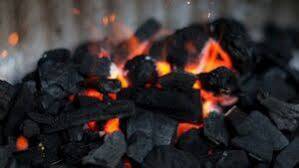
The Environmental Protection Agency's annual air quality report found 'worrying' air quality at 52 sites across the country, with the burning of solid fuel in villages, towns and cities, particularly outside Dublin, the biggest contributor.
Health lobbyists have demanded more stringent rules to combat "toxic" air following a "grim" assessment from environmental chiefs, as Cork's monitoring systems find poor quality throughout the city and county in recent days.
The Environmental Protection Agency's (EPA) annual air quality report found "worrying” air quality at 52 sites across the country, with the burning of solid fuel in villages, towns and cities, particularly outside Dublin, the biggest contributor.
Poor air quality leads to 1,300 needless deaths a year in Ireland, statistics have shown.
Separately to its annual report, the EPA's monitoring system found Munster had four of the worst five indicators for air quality in Ireland last week. Macroom, Tralee, Waterford, and Ennis joined Letterkenny in the worst hit.
More localised readings by the air quality sensor network PurpleAir, a joint project by Cork City Council and the Centre for Research into Atmospheric Chemistry, based at University College Cork, found Cork City and suburbs have seen bouts of poor quality air in recent days.
Glanmire and the northside of the city were particularly poor at various times throughout the day, while areas like Ballyphehane and Ballinlough in the southside were also hit by periods of poor air.
PurpleAir measures particulate matter, known as PM2.5, which is the combination of solid and liquid particles suspended in the air, such as dust, pollen, soot, smoke, and liquid droplets.
The Irish Heart Foundation called on the Government to implement stronger air quality regulations as a matter of urgency in the wake of the EPA report.
"Unfortunately, we have seen no reduction from 2019 in the number of lives being lost prematurely to the dangers of air pollution arising from the burning of solid fuels,” said chief executive Dr Tim Collins.
“Despite overwhelming evidence showing that there is no safe level of exposure to air pollution, we continue to have resistance from some within Government and on the opposition benches to stronger solid fuel and air quality regulations that are proven to save lives.”
Dr Collins called for new legislation to combat poor air quality.
"It is crucial that this Government brings in a new Clean Air Act and immediately adopts the WHO air quality guidelines,” he said.
New regulations from next year will effectively put in place a national smoky coal ban in an effort to curb air pollution.

CONNECT WITH US TODAY



Be the first to know the latest news and updates