Just 10 climate disasters cost world $120bn this year, new report finds
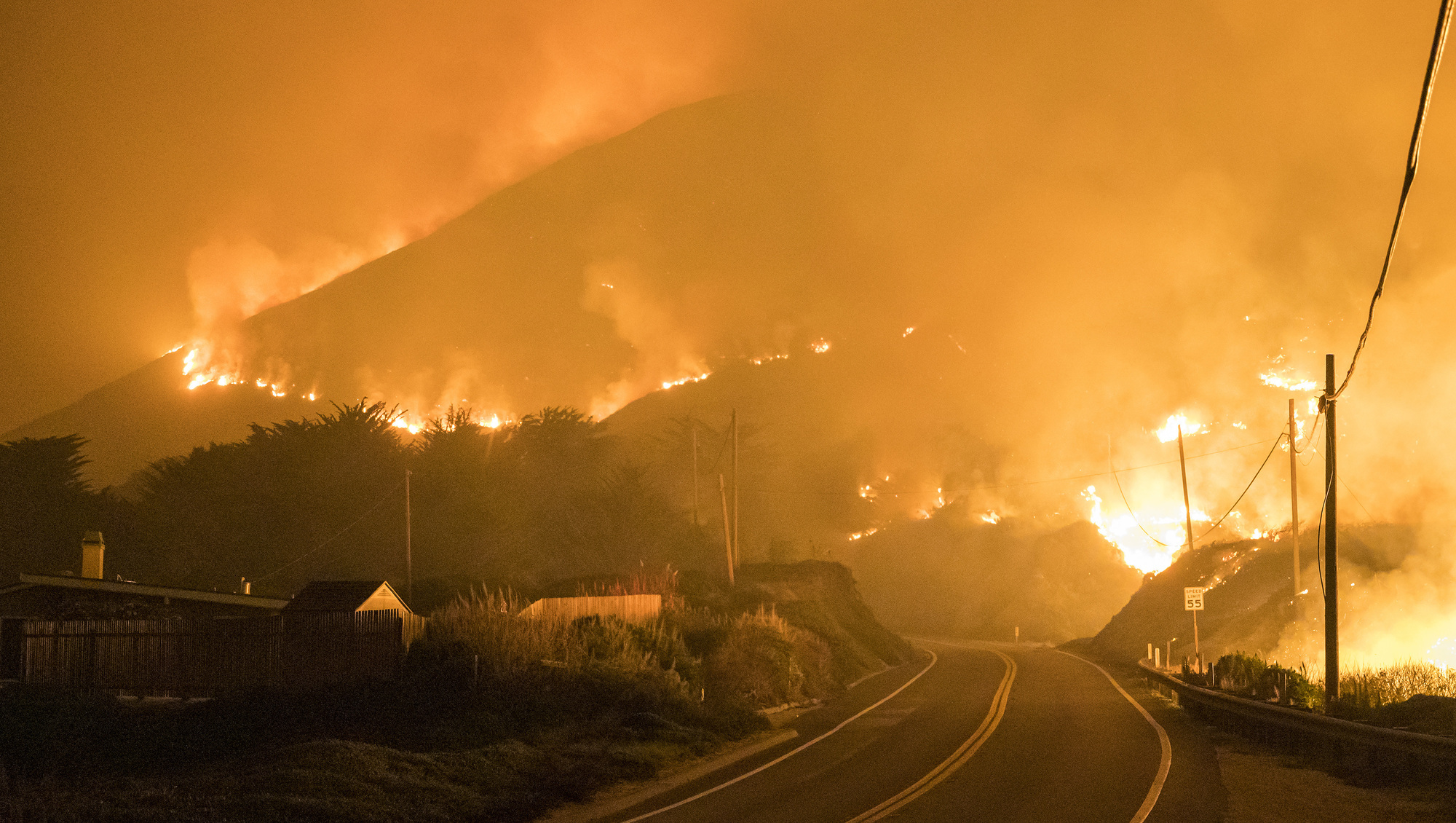
The fires in California this year cost $60bn in damage and caused the deaths of more than 400 people. Picture: AP /Nic Coury
The world continues to count the heavy cost of climate disasters, as just 10 such events of heatwaves, wildfires, droughts and storms cost a seismic $120bn (€101bn) this year, a new report has found.
The ‘Counting the Cost 2025’ report from Christian Aid said the cost of climate inaction was clear from the devastation being wreaked by extreme weather events across the globe, with every region being impacted by climate change.
Furthermore, developing countries that contribute the least to global emissions are being hit disproportionately by this crisis, as fossil fuel companies play a central role in the worsening situation.
Hurricane Melissa in late October "changed the life of every Jamaican in less than 24 hours", its economic minister Matthew Samuda told the UN climate change Cop30 summit in November, causing $8bn of destruction and a death toll that has not yet been finalised.
“The devastating impacts of climate change are being felt in every corner of the world, including in rich countries like Ireland, and the costs of inaction — in destroyed homes, devastated livelihoods and lost lives — far, far outweigh the money we ought to spend now to tackle this crisis,” Christian Aid Ireland’s head of policy Conor O’Neill said.
While not contained in the report, the cost of Storm Éowyn in January was more than €300m alone in Ireland, the biggest insurance bill ever for a one-off climate event in the country.
The charity’s report identifies the climate events that caused the most damage, including devastating British wildfires, extensive droughts in Canada, typhoons in the Philippines and record-breaking fires across Spain and Portugal.
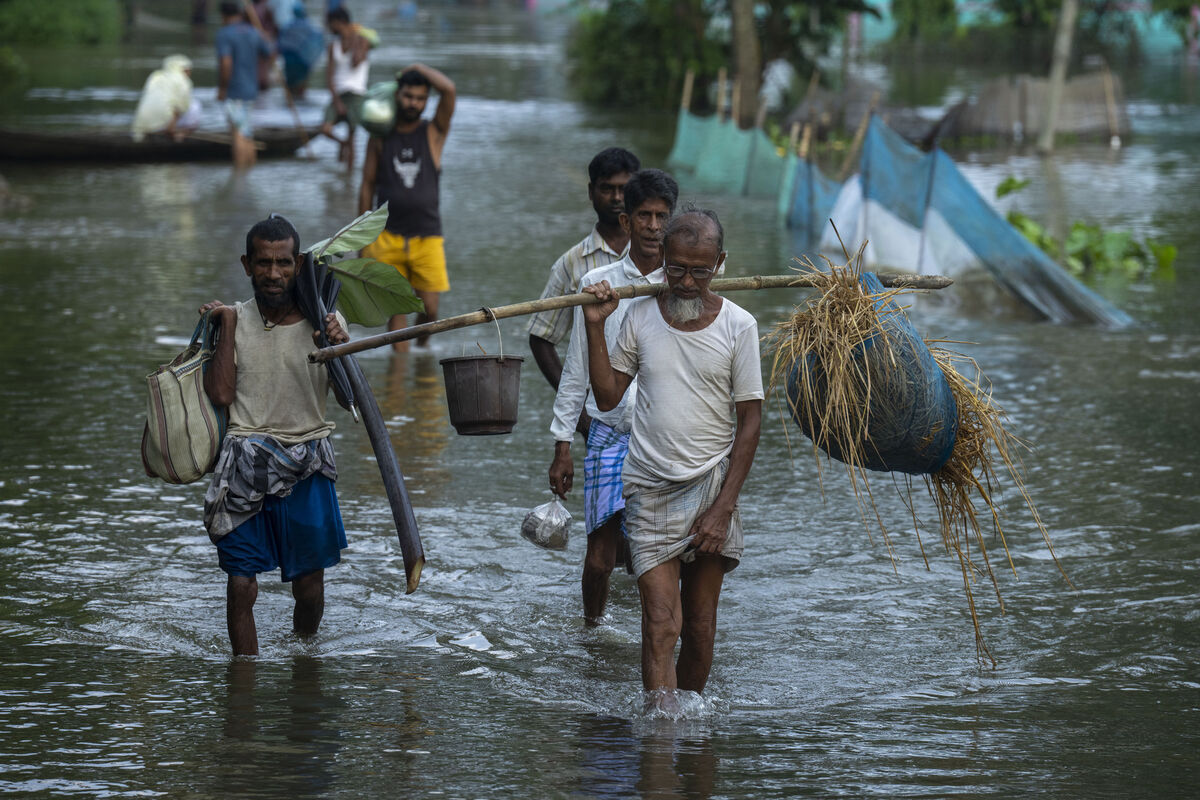
Each of the top 10 events caused more than $1bn in damage, Christian Aid said.
While the financial cost may not have been as high in some of the world’s poorer regions, the charity said extreme weather events had a disproportionate impact on countries in this place.
These included flooding in Nigeria in May, and the Democratic Republic of Congo in April, which in combination affected thousands of people, with up to 700 deaths in Nigeria alone, it said.
Meanwhile, the ongoing drought in Iran and west Asia threatens the 10 million people in Tehran with possible evacuation due to a water crisis.
Countries also in the report as having had significant extreme weather events in the last year included Scotland, Brazil, Australia and Japan.
Joanna Haigh, emeritus professor of atmospheric physics at Imperial College London, added: “The world is paying an ever-higher price for a crisis we already know how to solve. These disasters are not ‘natural’ — they are the inevitable result of continued fossil fuel expansion and political delay."


CONNECT WITH US TODAY



Be the first to know the latest news and updates