Cork inquest hears harrowing detail of baby's death at CUMH
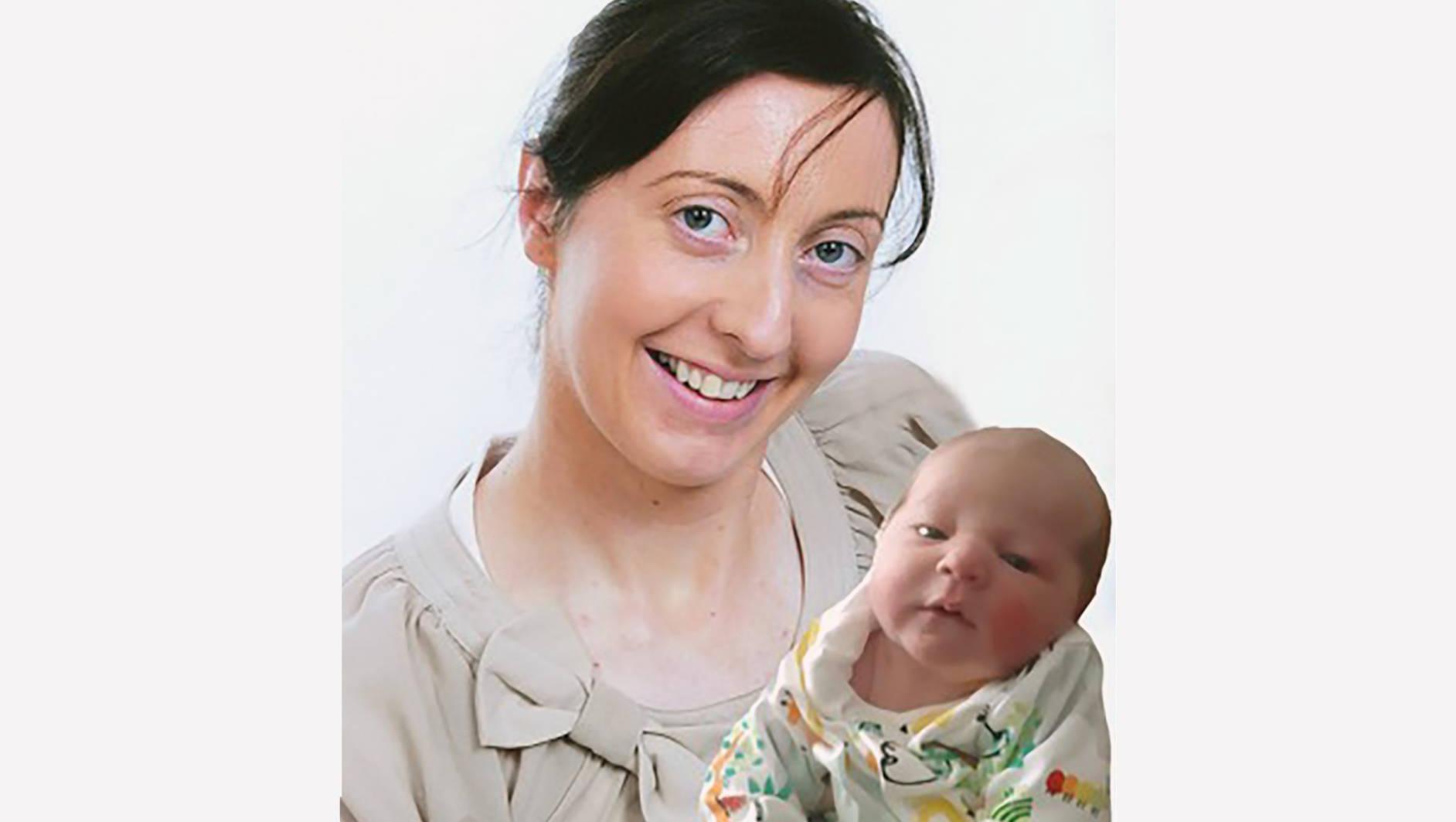
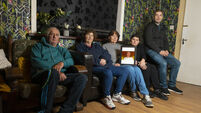
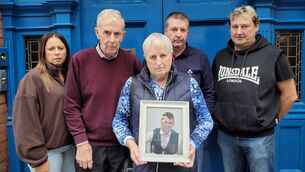
Marie Downey and her baby son Darragh
A newborn baby boy who was found trapped under his lifeless mother on the floor of her room at Cork University Maternity Hospital (CUMH) died because the weight of her body stopped blood supply to his heart and brain.
Harrowing details of this ‘compression asphyxia’ have emerged this evening on the third day of the joint inquest into the deaths of Marie Downey, 36, from Knockanevin near Kildorrery in north Cork, on March 25, 2019, and her baby, Darragh, the following day, at CUMH, aged just four days old.
Ms Downey, who gave birth to baby Darragh at CUMH on Friday, March 22, 2019, suffered an epileptic seizure, possibly while breastfeeding, early the following Monday.
She was found lifeless at around 8am partially out of her bed in a contorted position, with Darragh in critical condition trapped underneath her.
Perinatal pathologist, Dr Peter Kelehan, who conducted the post mortem on Darragh’s remains at St Colmcille’s Hospital in Loughlinstown in Dublin, gave evidence by Zoom.
Mr Comyn warned those attending the inquest that his evidence would be “upsetting in the extreme”.
Dr Kelehan described Darragh as a normal, well-formed, well grown and well-nourished newborn baby boy.
He said his post mortem confirmed that he had died from acute respiratory failure due to compression asphyxia and multi-organ failure.
He said the fall of Ms Downey and her baby from the bed would not have contributed to his death and that it was the weight of his mother’s body leaning down on him, in a sustained way over several minutes, which was responsible.
In effect, he said the damage to Darragh’s brain was caused by sustained compression on his chest, which pushed the sternum down towards the spine, compressing and holding the heart tightly in such a way that prevented blood from being pumped to the heart, but particularly the brain.
He said the compression caused blood supply to totally stop to the heart and brain.

He said as soon as Ms Downey was lifted off him and resuscitation began, circulation could have been restarted, but that in this case, it was very, very late and “the damage was done”.
Dr Kelehan has also been explaining to the family why Daragh’s remains were transferred to Dublin for post mortem.
He said it is standard and best practice that the post mortem on a deceased newborn or infant is best performed by a paediatric pathologist.
“But they're not available everywhere,” he said.
Although retired, Dr Kelehan said he and another retired perinatal pathologist colleague have been “carrying the load” of performing perinatal post mortems for a number of hospitals around the country.
He said he had a discussion some time ago with Chief Medical Officer Tony Holohan that it was standard practice and would be preferable to bring a baby’s remains to a hospital with a paediatric pathologist and one with the appropriate facilities to do such an examination.
He also said that arrangements are in place with undertakers to remain on site while the post mortem is conducted, and to ensure that the baby’s remains can be returned to their family as soon as possible.
While there was one perinatal pathologist in Cork at the time of this tragedy, Dr Kelehan said he now understands that there are two such specialists in the city now.
The inquest, which has been ongoing since Tuesday, is set to continue late into the night.
CONNECT WITH US TODAY



Be the first to know the latest news and updates