Kinsale's 42-year gas production to end after multi-million euro decommissioning project
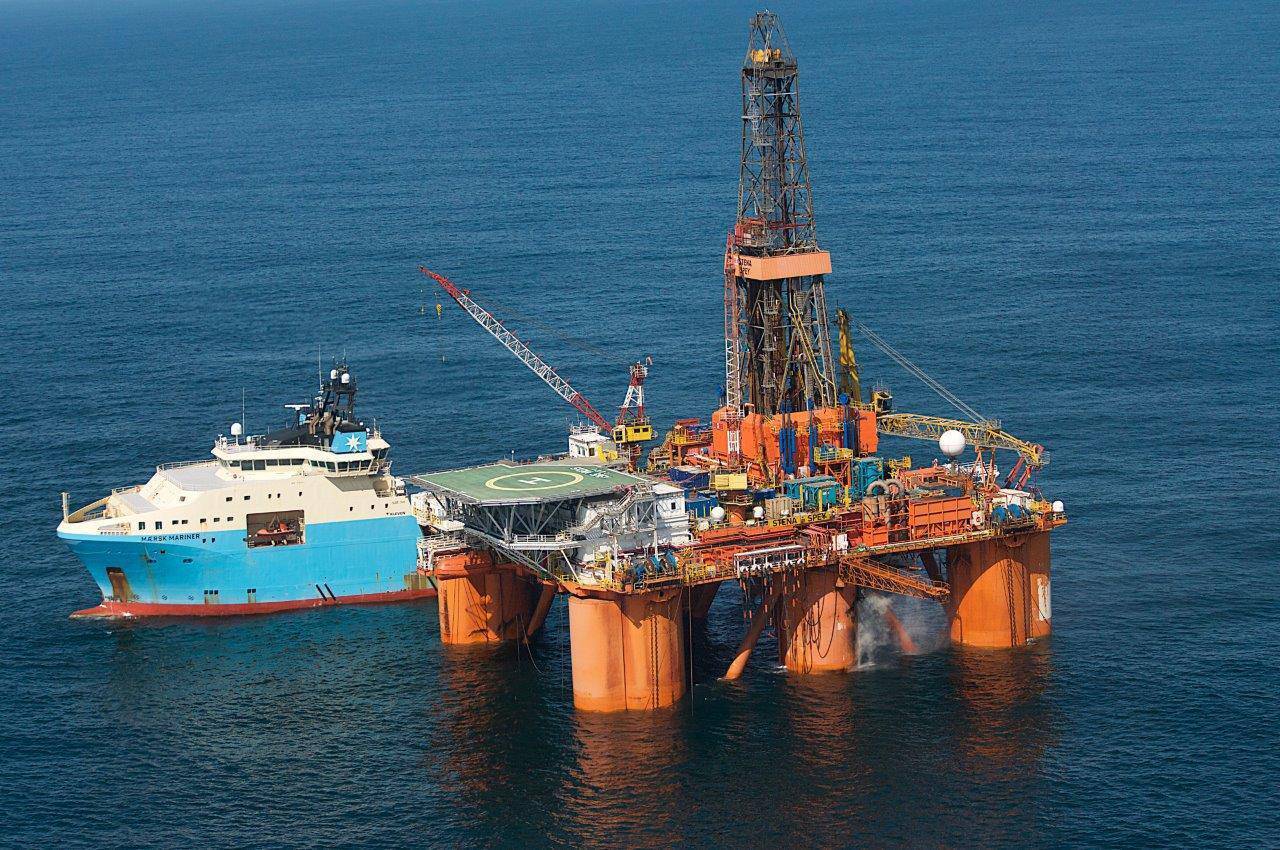
The Stena Spey Drill Rig with a support vessel at the decommissioning of the Kinsale gas fields. At peak production in the mid-1990s, the Celtic Sea field had 24 wells. Photo: Kinsale Energy.
A multi-million euro decommissioning operation involving up to 400 people is underway off the South coast to plug the Kinsale field gas wells, which have supplied the country with almost two trillion cubic feet of gas since they opened in 1978.
Mike Murray, head of engineering and projects for Kinsale Energy, which operated the fields, said seven wells connected to the Alpha platform had been plugged with concrete. The other seven connected to the Bravo platform should be plugged by the end of this month. Thousands of tonnes of concrete are being used to cap the wells.
At peak production in the mid-1990s, the Celtic Sea field had 24 wells. For many years, Kinsale gas enabled Ireland to be self-sufficient in gas supply and was instrumental in the development of the national natural gas networks. The gas fields, which lie about 50kms off the Cork coast, produced exceptionally pure gas, which was formed in the Cretaceous period about 100 million years ago.
Eventually, the gas reserves in the field were depleted and production ceased on July 5 last year after 42 years.
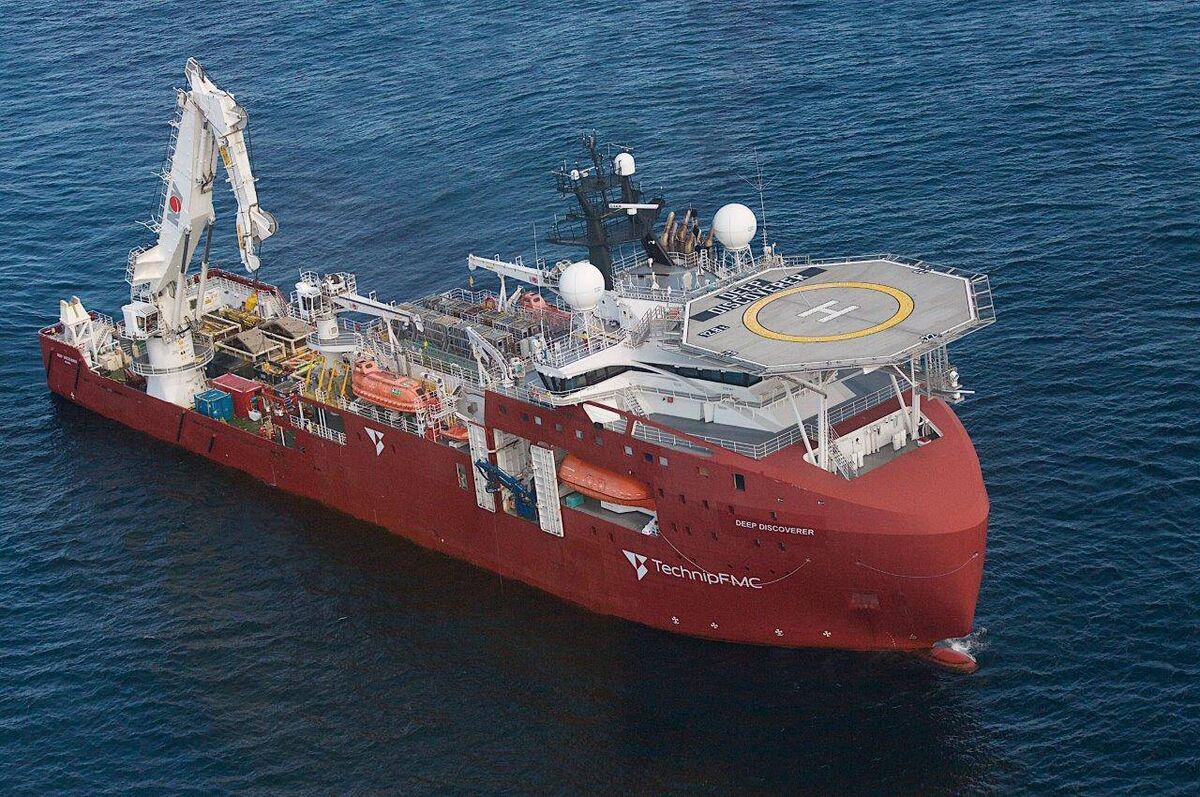
Specialised equipment was brought in from the North Sea for the decommissioning works, including a massive floating marine drill rig, The Stena Spey. Seven vessels transport equipment to and from the area.
Mr Murray said that the multi-million euro operation involves around 400 people, including approximately 30 onshore support staff.
“We will get all the wells capped and all the facilities made safe this year," he said, adding that next year, work will focus on removing the Alpha and Bravo platforms.
"This will happen around April or May of next year. The platforms will be removed for recycling (at a site) in North-Western Europe. They are all built of steel and they will be dismantled and recycled in accordance with best practice,” Mr Murray added.
The work will also include the decommissioning of pipelines, cables, subsea structures associated with the drilling, and the onshore terminal.
It is the biggest off-shore project in the country since the platforms and wells were first installed.
It's unlikely the country will see a similar project to this again due to the move away from harvesting fossil fuels to more green energy consumption.
“The bulk of the decommissioning activities will happen between April and October to minimise any disruption caused by the weather. However, there will be occasions when we will have no choice (during those periods) but to suspend operations in poor weather,” Mr Murray said.
The current operation has seen quite an amount of increased shipping traffic in and out of the Port of Cork and has resulted in an economic boost to the area.
The company also has a helicopter based at Cork Airport as part of the operation.

CONNECT WITH US TODAY



Be the first to know the latest news and updates