Covid-19: Fewer babies born in Limerick with very low birthweight
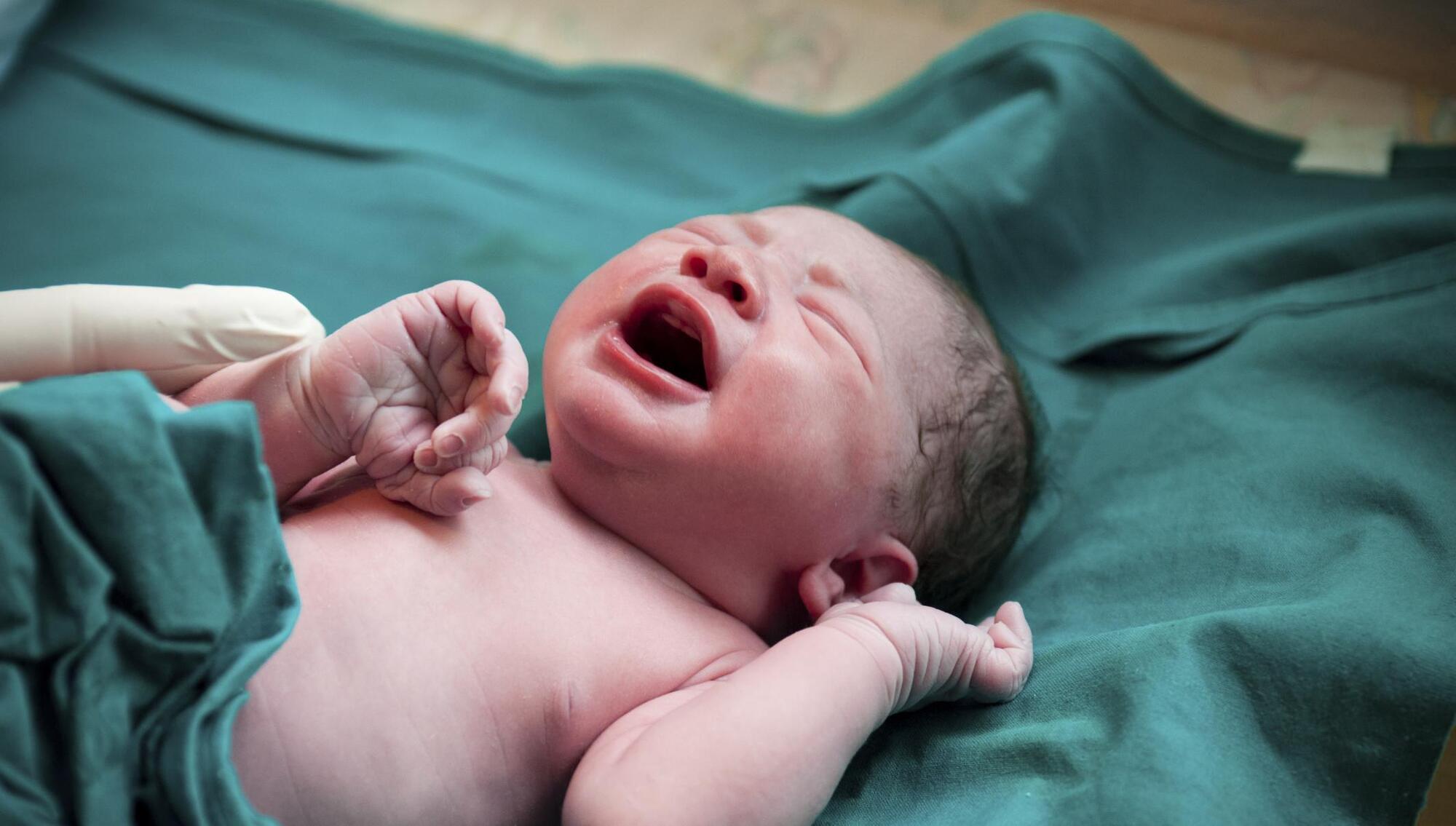
The number of babies born with either very low birthweight or extremely low birthweight in University Maternity Hospital Limerick (UMHL) since the Covid outbreak has fallen to "unprecedented" levels.
The number of babies born with either very low birthweight or extremely low birthweight in University Maternity Hospital Limerick (UMHL) since the Covid outbreak has fallen to "unprecedented" levels, according to new research.
Those behind the study said the "socio-environmental impact" of the Covid-19 lockdown could be a factor, in results that they said could be replicated internationally.
All very low birthweight (VLBW) and extremely low birthweight (ELBW) live births at UMHL from January 1, 2001 to April 30 this year were included in the study.
According to the authors of the study, which was published in BMJ Global Health: "Socio-environmental measures implemented as Ireland’s response to the SARS-CoV-2 virus (Covid-19) pandemic collectively constituted a national lockdown, and may possibly have influenced the health and wellbeing of pregnant women and their unborn infants."
The researchers did not detect any significant alterations in care offered to women at UMHL in the first four months of this year compared with the previous five years, yet the prevalence rate in both categories plummeted in the first four months of this year, and in the case of ELBW, to zero, and comes after a number of studies showing such rates increasing in other EU countries in recent years.
The report referred to "the unprecedented and significant reduction of the VLBW and ELBW numbers observed during the lockdown and pre-lockdown phases of extra public health vigilance".
"The ‘Nature’s experiment’ through the Covid-19 lockdown could have triggered unparalleled and widespread socio-environmental alterations to which pregnant women would have responded with appropriate behavioural and lifestyle modifications," it said.
The study suggested that lockdown could have impacted negatively on some people and "pregnant women may have chosen to avoid hospital visits to mitigate potential for Covid-19 transmission".
But it said the absence of concurrent or paired increase in early pregnancy loss or miscarriages or stillbirths in the region, where the access to maternity emergency services were functioning uninterrupted throughout the lockdown, "supports non-medical and societal contributions" to the fall in the VLBW and ELBW numbers.
It said the findings, if mirrored in other regions that have adopted a lockdown, demonstrated the potential to evaluate the possible factors to positively influence VLBW and ELBW rates globally.

CONNECT WITH US TODAY



Be the first to know the latest news and updates