'Idea of one strike with a golf club utterly fanciful', says prosecution in Doneraile murder trial
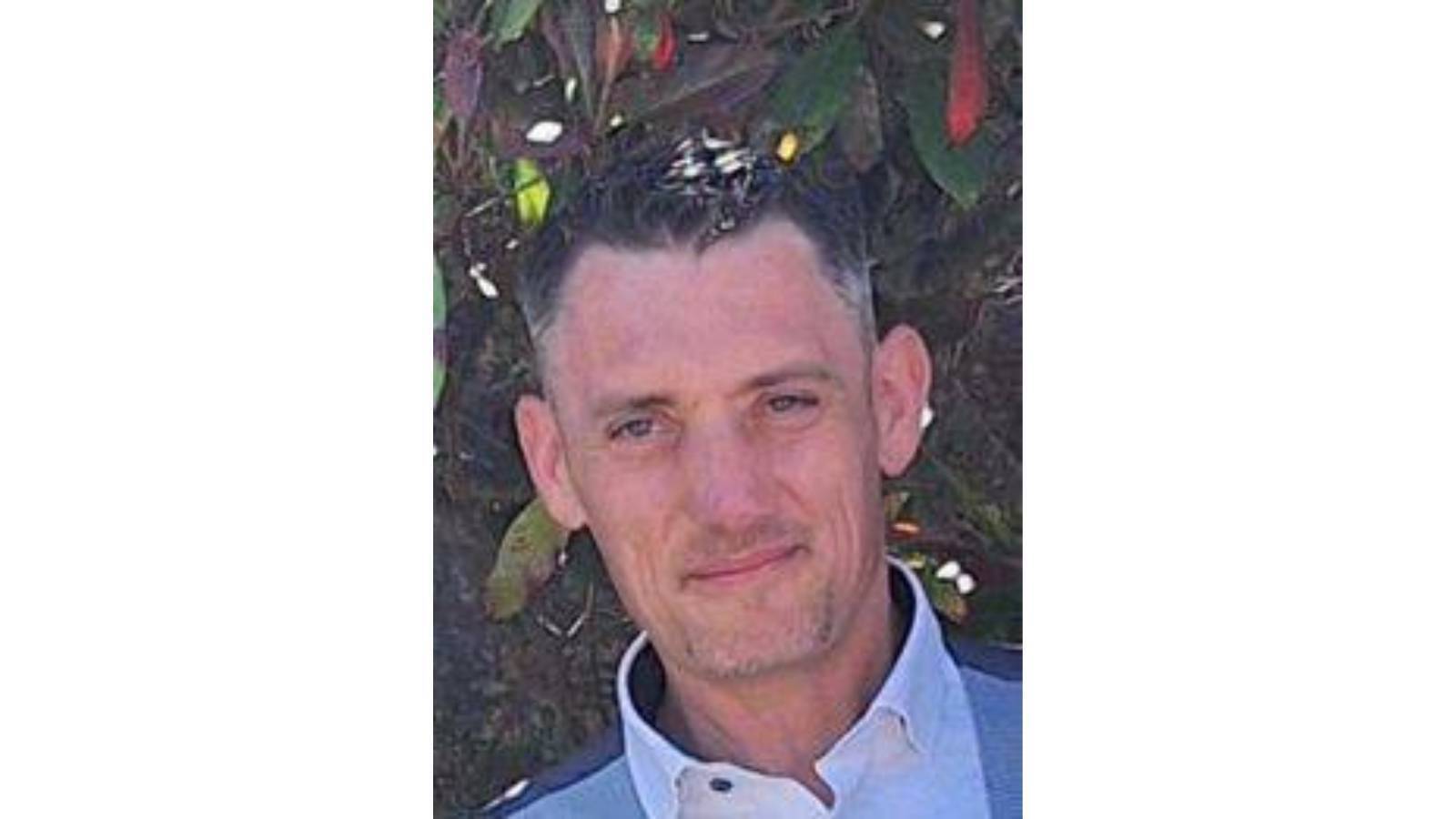
Barry Daly was found dead in Doneraile on October 12, 2025.
The prosecution in the Doneraile murder case said it was utterly fanciful for the defence to say the deceased man sustained no more than one single blow from a golf club.
The closing speeches were made on Wednesday as the youngest of the three accused — the 16-year-old — offered for the first time a plea of guilty to manslaughter, a plea that was accepted by the DPP.
Following legal discussion in the absence of the jury the 16-year-old was re-arraigned and said: “Not guilty of murder but guilty of manslaughter.” His case was adjourned until Monday on continuing bail.
That left two defendants on trial before Ms Justice Lankford and the jury of seven women and five men.
20-year-old Alex Deady of Glenview, Convent Road, Doneraile, County Cork, and a 17-year-old now continue on trial at the Central Criminal Court on the charge of murdering Barry Daly at Rockview Terrace in Doneraile on October 12, 2025. Alex Deady and the 17-year-old pleaded not guilty to murder but guilty to manslaughter, at the outset of the trial.
Alex Deady’s senior counsel, Tom Creed, said the defence would not be going into evidence and would be relying on the account that he gave to gardaí as disclosed to the jury in the memoranda of interviews.
Alice Fawsitt, senior counsel for the 17-year-old, said that her position was the same and that her client would not be giving evidence and that the jury had heard the account he had given to gardaí.
Lorcan Staines, prosecution senior counsel, said the 17-year-old might say that he did not intend to cause serious harm.
“Ultimately, we say that on the evidence it cannot have been the case that he did not know what Alex wanted to do.
“The idea that there was only one strike to Barry Daly and that it only came from Alex is something we reject. We do not accept that only one golf club was used. The idea that there was one strike is fanciful.
"I ask you how did a broken head of a golf club get within feet of Barry Daly, it did not get there by an act of God, it wasn’t teleported there,” Mr Staines said.
The prosecution senior counsel itemised injuries to the deceased’s mouth, “his absolutely battered jaw”, back of head and abrasions “all over his body”, and “one very significant injury to his body consistent with striking with a golf club”.
He commented: “The idea of one strike with a golf club is just utterly fanciful.”
To believe that the injuries to the deceased resulted from one blow, Mr Staines quoted from Louisiana’s Republican senator John Kennedy in relation to believing Iranian intentions to decommission the means of making nuclear weapons, that to believe it one would have to be “homeschooled by a day drinker”.
Alice Fawsitt, senior counsel for the 17-year-old, said the prosecution’s role is to present the facts to the jury and not to look for a guilty verdict but she said they had looked for such a verdict in this case.
Now that the 16-year-old co-accused has pleaded guilty to manslaughter and that plea was acceptable, Ms Fawsitt said the jury were faced with a scenario where the State accepts that one of the three who went up to the deceased’s house did not have the intention to kill or cause serious harm.
But the State did not accept this position being taken by the other two, even though they too had pleaded guilty to manslaughter.
She said witness Seamus Hunter was in Doneraile that night, tried to get the three to cop on, he called them "f***ing knackers", and the 17-year-old head-butted him, and later pleaded guilty to that assault.
In the context of someone allegedly intending to use golf clubs, Ms Fawsitt said it was important to consider that even though he had a golf club in each hand at the time he encountered Mr Hunter on the street he never used the clubs but head-butted him instead.
“When it comes to the memos of interviews and what Mr Staines says were lies, he is protective. The only person he says were there were himself (and Alex) and he protects (the 16-year-old). He is only 17, he has never come to garda attention.
"He is involved in something that has catastrophic consequences. He is accused of murder. He goes into protective mode, not to name others. He admits getting golf clubs, he admits headbutting Mr Hunter, he admits going to the home of Mr Daly.
“He is constantly challenged (by gardaí in the memos of interviews) and is told he is changing his story. Yes he is keeping (the 16-year-old) out of it but did he change his story? I have to suggest to you that he did not change his story.”
Tom Creed, defence senior counsel for Alex Deady, said: “It began with an act of violence, it ended with an act of gross violence and tragedy for the Daly family and (for the accused) who are tragically ensnared in this situation.
“Alex Deady was arrested the day after and he admitted hitting Mr Daly in the head with a golf club. He followed that admission with a plea of guilty to unlawfully killing Barry Daly. The issue you have to decide is one of intent.”
Mr Creed said, in light of the State today accepting the plea of guilty by one of the accused to the charge of manslaughter, but not accepting the same position from Alex Deady and the 17-year-old: “I am not quite sure what the prosecution case is.
"Because the prosecution opened with a case of common design, joint enterprise, that all three went there with one singular plan to kill or cause serious injury at the very least.
“I am puzzled as to what the plan is now, as far as the prosecution is concerned, were there two plans? One to go and have a fight but not to inflict serious injury or kill him, one plan in which they were all involved.
"But that two of them (allegedly) had a separate plan to cause him serious injury… So is there any plan? Is there any joint plan or common design at all?
“You don’t have to decide if Alex Deady killed. All you have to decide is what was his intention at the time? Alex says he hit him with a golf club and killed him… Straightaway up front he admits that.
“I am going to suggest to you there is evidence of provocation. If it creates a doubt then the prosecution have not done their job of satisfying you of guilt beyond reasonable doubt.”
Ms Justice Lankford will give what is called the judge’s charge to the jury tomorrow, which will consist of explaining the relevant law in the case and summarising the evidence.

CONNECT WITH US TODAY



Be the first to know the latest news and updates