Jury sworn in as Riad Bouchaker denies trying to murder three children in Dublin city centre
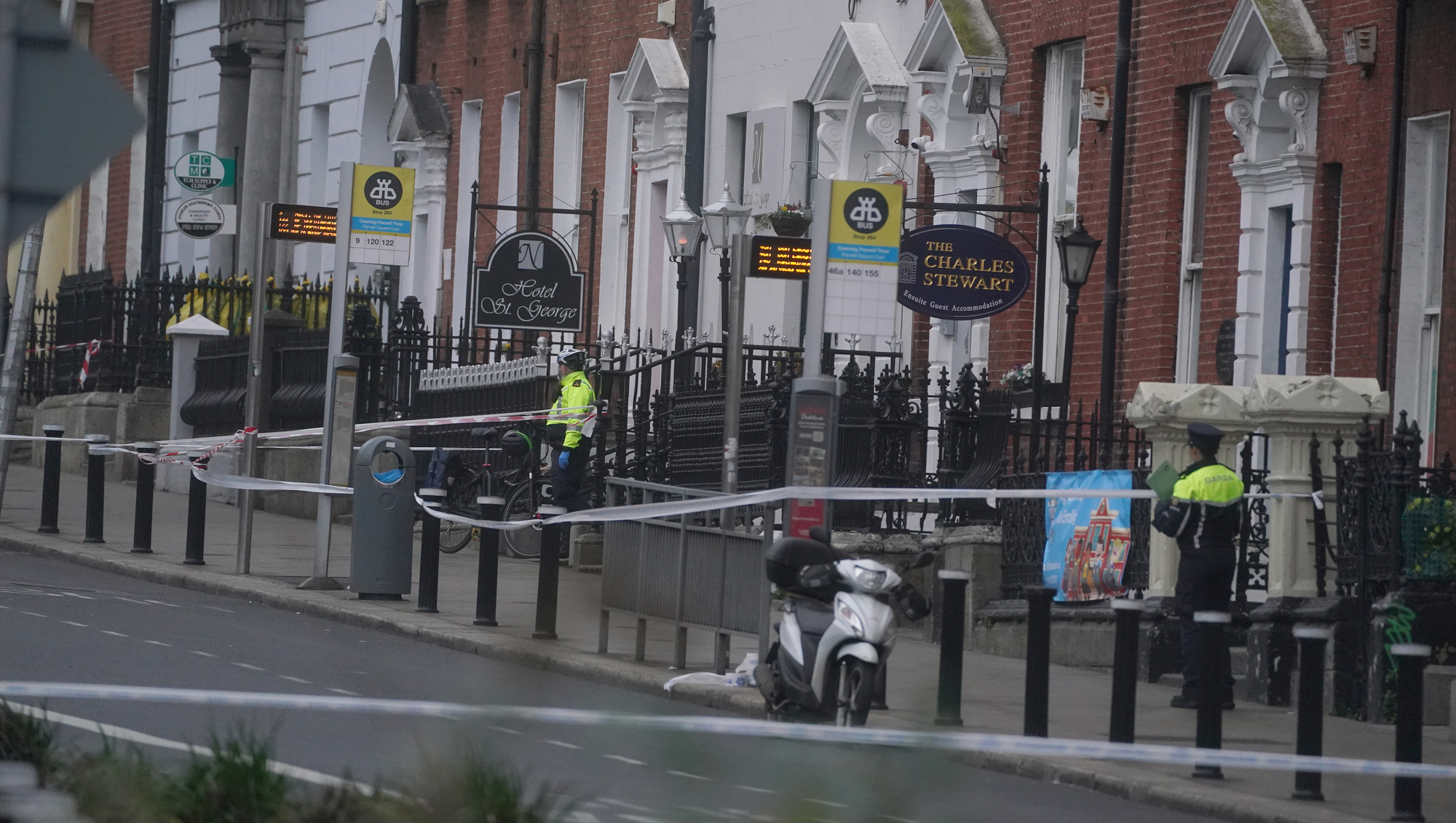
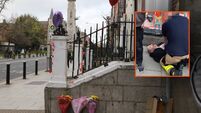
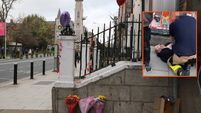
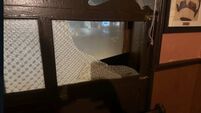
The scene in Dublin city centre on November 23, 2023. File picture: Brian Lawless/PA
A jury has been sworn for the trial of Riad Bouchaker, who denies trying to murder three children in Dublin city centre three years ago.
The trial judge told prospective jurors at the Central Criminal Court on Monday that it was “inevitable” they may have been exposed to the “significant degree of publicity” about what happened after the events of November 23, 2023 on Parnell Square.
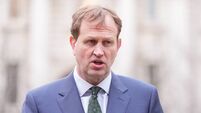
Mr Justice Tony Hunt said jurors should ask themselves whether anything they've seen or heard about those events prevents them being open-minded and objective in relation to the trial.
He said the accused had a fundamental entitlement to an "unbiased and unprejudiced jury who will put extraneous matters out of their mind".
He told the panel members that the accused man has an acquired brain injury but there is "no suggestion Mr Bouchaker was suffering from a mental disorder at the time of the incident such that it raises any of the special defences that arise".
“The verdict available will be the ordinary one, so ‘guilty’ or ‘not guilty’,” the judge said.
Mr Bouchaker, aged 52, of no fixed abode, denies eight charges preferred against him, including the attempted murder of two girls and one boy, as well as assault causing serious harm to a care worker at Parnell Square East on November 23, 2023.
He is further charged with three counts of assault causing harm to two other young children and a passer-by, as well as one count of the production of a knife.
Through an interpreter, he entered pleas of not guiltyto each of the eight charges at the Central Criminal Court in Dublin on Monday.
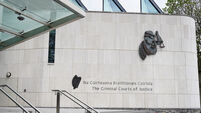
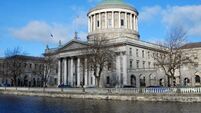
Mr Justice Hunt told the pool of potential jurors assembled at the Criminal Courts of Justice it was “very important” that they would not bring “any baggage or opinion to this case”.
“Examine your minds or conscience very closely before you go on the jury, and be able to honestly answer the question: ‘Yes, I can approach this case in an open-minded and impartial way, bearing in mind at all times the presumption of innocence,’” he said.
The charges were then put to Mr Bouchaker, who had been permitted by the judge to remain seated for his arraignment.
The judge said he had ruled Mr Bouchaker “fit to stand trial”, with accommodations for his health. The accused, he said, had a benign brain tumour which was treated by way of a craniotomy in 2021.
“You will also likely hear that, in the course of intervention by members of the public in the aftermath of the events which are the subject matter of this trial, he suffered a head injury which required hospitalisation in the immediate aftermath and significant medical treatment for some time afterwards,” Mr Justice Hunt said.
It was “some weeks later” that Mr Bouchaker was formally arrested, detained, and interviewed by gardaí, the judge said.
“The result of the prior surgery and the head injury is that Mr Bouchaker has an acquired brain injury and this has an effect on his ability to sustain attention and concentration,” Mr Justice Hunt said.
“That is one of the reasons the trial may take up to five weeks, up to July 10 next, because I have to ensure he receives a fair trial,” the judge added.
“I can only give him a fair trial if there are reasonable accommodations afforded to him… that will require more than ordinary patience on behalf of jurors sworn in this case,” Mr Justice Hunt said.
"Mr Bouchaker may require frequent rests, and opportunities to consult with his legal team in relation to the evidence, he said.
He said Mr Bouchaker would be participating in the trial with the assistance of both an interpreter and an intermediary.
“There is no suggestion Mr Bouchaker was suffering from a mental disorder at the time of the incident such that it raises any of the special defences that arise,” Judge Hunt said.
The trial was likely to be “a painstaking process”, he added.
A jury was then formed of nine men and three women to try the case.
The witness list extends to some 85 names, including some of the alleged injured parties, members of the public, firefighters, gardaí from multiple Dublin stations, and hospital staff, the panel heard.
The prosecution is to commence with its address to the jury on Wednesday at 11am.
CONNECT WITH US TODAY



Be the first to know the latest news and updates