High Court finds parts of Garda vetting law unconstitutional
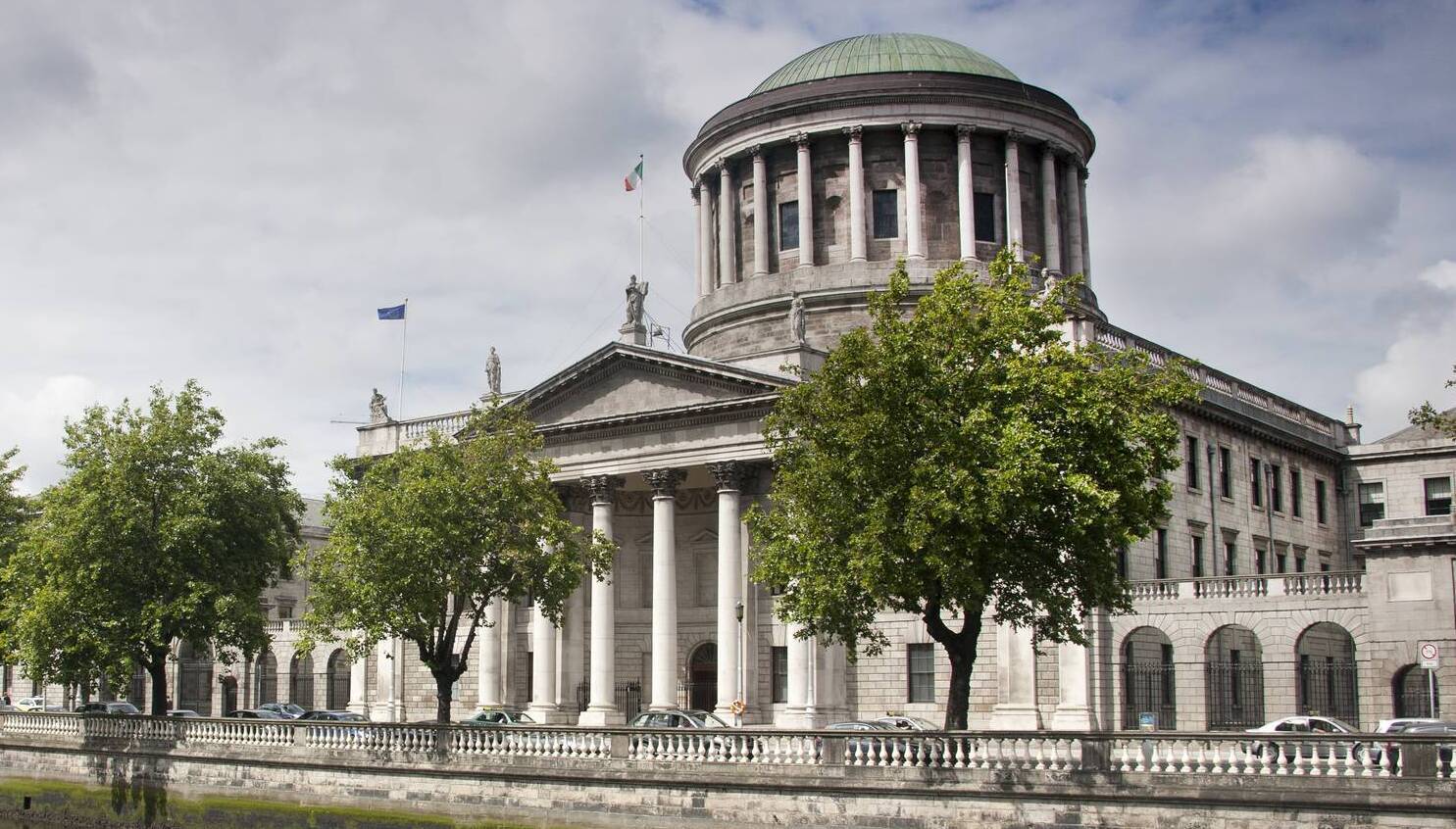
Judge Anthony Barr made the finding in the case of two gardaí who sued after the Garda ombudsman — then called Gsoc — notified the vetting bureau of concerns that the members posed a risk of harm to children or vulnerable adults. Picture: iStock
The High Court has declared as unconstitutional legislation requiring various watchdogs and regulatory bodies to notify the Garda National Vetting Bureau of individuals under investigation whom they believe could pose a danger to children or vulnerable people.
In a judgment today, Judge Anthony Barr found that certain sections of the National Vetting Bureau (Children and Vulnerable Persons) Act 2012 were unconstitutional.

This is in circumstances where the Act does not afford persons who are subject to a notification to the bureau an opportunity to see − and subsequently to challenge the veracity or accuracy of − the information provided to the bureau, save for the information being disclosed as part of an application for vetting clearance, the judge held.
The judge also found the relevant section of the Act was incompatible with the European Convention on Human Rights for the same reason.
The judge made the finding in the case of two gardaí, who sued after the Garda ombudsman — then called Gsoc — notified the vetting bureau of concerns that the members posed a risk of harm to children or vulnerable adults. The notification followed a complaint concerning the level of force used by the two gardaí in arresting a minor.
The Act requires certain bodies to notify the bureau of “bona fide” concerns that a person under investigation may harm a child or vulnerable person.
Other bodies subject to the law include the HSE, the Medical Council, and the Teaching Council.
The two gardaí brought the action against Gsoc, the vetting bureau, An Garda Síochána, and the State.
The case arises from the gardaí’s involvement in arresting a juvenile in November 2018. A complaint was made to the Gsoc concerning the level of force used by the gardaí in making the arrest. The arrested male had allegedly taken his father’s Mercedes without permission, and drove the vehicle at speeds in excess of 200km/h.
Gsoc investigated the case and in May 2024, it sent a file to the Director of Public Prosecutions.
In June 2024, in line with its obligations under the Act, Gsoc also notified the vetting bureau of “specified information” concerning the two members.
Subsequently, the DPP decided the gardaí should not face prosecution arising out of the arrest.
Following this development, Gsoc refused to correct or amend the information provided to the bureau. An Garda Síochána refused to inform the gardaí of the content of the information provided, and the bureau refused to alter or revoke the information.
In his judgment, the judge noted that the two members knew the information passed to the vetting bureau “must be highly discreditable of them”.
The gardaí submitted their constitutional right to a good name and fair procedures meant they had a right to be informed of the information passed to the vetting bureau, and if necessary, to challenge its accuracy.
The judge noted: “The situation as of June 2024, is that the two [gardaí] in this case know that something highly discreditable has been said about them by [Gsoc] to the [vetting bureau]. They do not know what that is. Therefore, they cannot argue that what has been said is untrue or is inaccurate.
“They are left in a situation where they must go about their ordinary lives as members of An Garda Síochána and, at least in one case, as a father, knowing that there exists on a database held by the [vetting bureau] information which suggests that they pose a risk to children and vulnerable adults.”
The only way in which the gardaí could learn the contents of the information is by a third party making a request to the vetting bureau for a vetting disclosure.
“For the [two gardaí], it is like playing Russian roulette. They must get the third party to make the vetting disclosure request, not knowing what information there is about them on the register of specified information,” the judge said.
The judge held that the retention on a database of “highly discreditable information” about a person engages that person’s right to be informed of it and make submission on it.
He said that for the vetting bureau to hold such information, and yet for the legislation to not provide any mechanism for challenging the accuracy or veracity of that information, was in breach of the gardaí’s right to privacy and good name, and was in breach of fair procedures.
Following this finding, the judge held that the obligation under the Act on regulatory bodies to notify the vetting bureau of concerns relating to risks to children and vulnerable adults, and the subsequent retention of that information by the bureau, was unconstitutional.
The judge held that the relevant sections of the Act were unconstitutional.
The judge also found the relevant section of the Act was incompatible with the European Convention on Human Rights for the same reason.