Sean McGovern involved in surveilling 'active target for assassination' for Kinahan gang, court hears
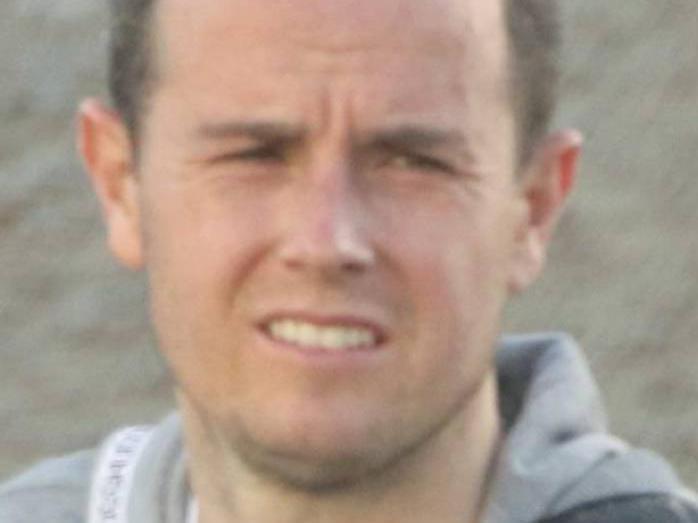
Sean McGovern. Picture: Garda.ie
Sean McGovern was involved in surveilling an “active target for assassination” for the Kinahan organised crime group, a court has heard.
McGovern, 39, appeared before the Special Criminal Court in Dublin on Monday for a sentencing hearing after pleading guilty to two charges of directing the activities of a criminal organisation.
The activities relate to the deadly Hutch-Kinahan gangland feud.
The non-jury three-court judge heard evidence that one charge of directing the activity of the gang was in the lead-up to the murder of Noel Kirwan, who was shot in Dublin in December 2016, and the other was around the surveillance and targeting of James Gately with a view to him being shot in 2017.
Detective Superintendent Dave Gallagher, from the Garda National Drugs and Organised Crime Bureau, told the court McGovern was involved in activities of the Kinahan organised crime group (OCG) in targeting Gately.

He said the Kinahan OCG and the Hutch OCG worked together as one criminal network, and would have been “quite friendly” prior to 2014.
However, he said there was a “falling out” and a “number of acts of violence” in Ireland and Spain – including the shooting of an innocent man in a case of mistaken identity.
Mr Gallagher said this was followed by the shooting of Gary Hutch, a senior member in the OCG, in Spain in 2015 as he was believed by the Kinahan gang to have been involved in the earlier shooting.
Gately was among those who carried Mr Hutch’s coffin at his funeral and was an “active target for assassination” by the Kinahan OCG since 2015.
The feud escalated further including the Regency Hotel shooting perpetrated by the Hutch gang in Dublin in February 2016 in which David Byrne was killed and others were injured – including McGovern.
Mr Gallagher said it became apparent that the Kinahan OCG believed Gately was involved in the attack as he outlined the evidence around subsequent surveillance carried out by McGovern.
He explained the case was being presented by a “number of strands” of evidence “woven together”.
This included Garda surveillance and searches, CCTV analysis and data seized from phones and satellite navigation systems in a van as well as tracking devices used by the organised crime group itself which were later seized.
He explained the Kinahan OCG had used Blackberry phones reconfigured to use Pretty Good Privacy (PGP) email encryption software to communicate surveillance of Mr Gately in Dublin and Belfast.
Mr Gallagher also provided evidence of GPS tracking devices being attached to Mr Gately’s car by members of the Kinahan organised crime group, as well as a vehicle used by his partner and sister.

He told the court the gang members used nicknames in the encrypted messages, with McGovern identified as “Knife” and Gately referred to as “Mago”.
The evidence included communications between McGovern and a senior figure in the Kinahan OCG, identified as “Cap”.
Two days after the Regency shooting, Cap messaged McGovern to say was “sick over David”.
Cap said “it could have been six of us” and “could have wiped out” a “whole bloodline”.
McGovern told Cap: “They wanted you.”
Mr Gallagher said encrypted messages also show the two discussing possible targets in the Hutch family as well as Gately, and McGovern stating: “On my baby’s life I’m not stopping.”
He also told the court that McGovern had shared what he called “fresh pics” of Gately, his partner and children to another man in the gang as they were tracking his partner.
Mr Gallagher also told the court that gardaí became aware that Imre Arakas, an Estonian hitman for hire, was arriving into Ireland in April 2017 and was arrested.
He was found with one of the Blackberry phones with the PGP software and a piece of paper containing information on Gately and some PGP account information of Kinahan gang members – including “Bon new”.
The evidence is continuing.

CONNECT WITH US TODAY



Be the first to know the latest news and updates