'Overzealous oversight' hampering gardaí from pursuing fleeing suspects
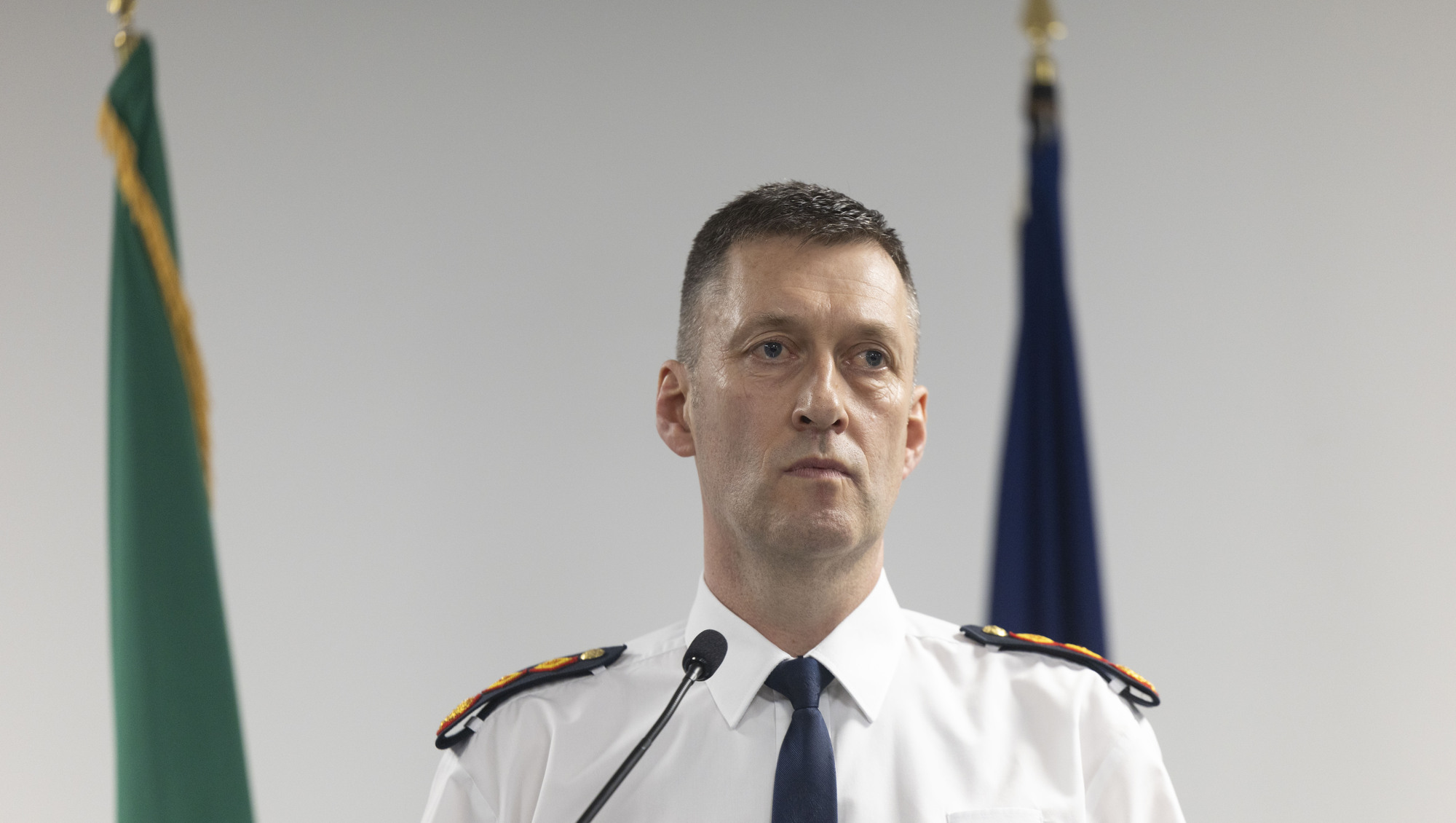
Garda Commissioner Justin Kelly has said laws are needed to protect gardaí from prosecutions when in the line of duty, after a garda was convicted of dangerous driving when he pursued two masked scrambler bikers while on duty. Photo: Sam Boal/Collins Photos
Gardaí in crime-ridden areas are afraid to pursue fleeing suspects due to a fear of prosecution and “overzealous oversight”, the Garda Representative Association (GRA) has said.
Hundreds of gardaí will arrive at the GRA’s 48th Annual Conference in Westport, Co Mayo, today, to discuss concerns including pursuit policy and disciplinary suspensions within the force.
Garda Commissioner Justin Kelly and justice minister Jim O’Callaghan will attend the conference on Tuesday.
Read More
Gardaí are calling for a separate Working Drivers Licence when using patrol vehicles, so that gardaí will not have their personal driver licence impacted by anything that happens while on duty. They are also calling for a higher threshold for drivers when in pursuit.
“Overzealous oversight and bureaucracy, and the use of internal discipline and suspension as training tools make many of our members second-guess the policing methods of an Garda Síochána,” Mark O'Meara, GRA President, will tell the conference.
“Gardaí in crime-ridden urban locations are afraid to pursue fleeing suspects and criminals for fear of facing discipline and even court prosecution, while community gardaí are fearful of using discretion and common sense when helping out vulnerable citizens.”
The garda commissioner previously said that laws are needed to protect gardaí from prosecutions when in the line of duty, after a garda was convicted of dangerous driving in Dublin District Court when he pursued two masked scrambler bikers while on duty.
Gardaí and emergency service workers must feel protected and should operate under different thresholds to civilians while at work, Mr Kelly said earlier this year.
Delegates will also call for a full review of the current suspension policy.
The GRA is concerned that gardaí are being suspended for extended periods while they are investigated for allegations for which they are ultimately not found to be guilty.
Gardaí in Limerick were suspended from work for years while they were investigated for allegedly interfering in road traffic prosecutions.
But all were ultimately acquitted or had the charges against them dropped this year.
Another high-profile case of a lengthy suspension involved a garda detective who was suspended for more than three years for lending an unclaimed bicycle to a man during the pandemic.
He took a case against An Garda Síochána, which he settled for some €270,000, it has been reported.
Gardaí will also call for an agreed policy to target those issuing direct and personal threats against members.
The conference will hear motions on issues including current technology, driver and medical training, mental health supports, pay allowances and conditions, pensions, health and safety, and the use of suspension as a first tool of discipline.
Gardaí will also debate possible action during Ireland’s hosting of the EU Presidency from July 1.
The GRA represents some 11,000 rank and file gardaí in a force of approximately 14,500.
But garda numbers remain below strength, which places extra workload, stress, and pressure on gardaí, Mr O’Meara said.
More than 370 Gardaí were lost through retirements and resignations last year, he said.
"Recent weeks have highlighted some of the unique pressures and challenges that garda members face on a daily basis, and this year's Annual Delegates Conference provides a platform for us to seek the conditions, rights and protections that we deserve,” Mr O’Meara said.
"The theme for this year's 48th Annual Conference is ‘Justice in Practice: Fair Rights, Fair Rates & Fair Treatment’ and we expect both the Minister for Justice and the Garda Commissioner will listen to our concerns and show their support in real terms rather than soundbites."
CONNECT WITH US TODAY



Be the first to know the latest news and updates