Mick Clifford: Long and winding road from WhatsApp messages to the Limerick garda trial
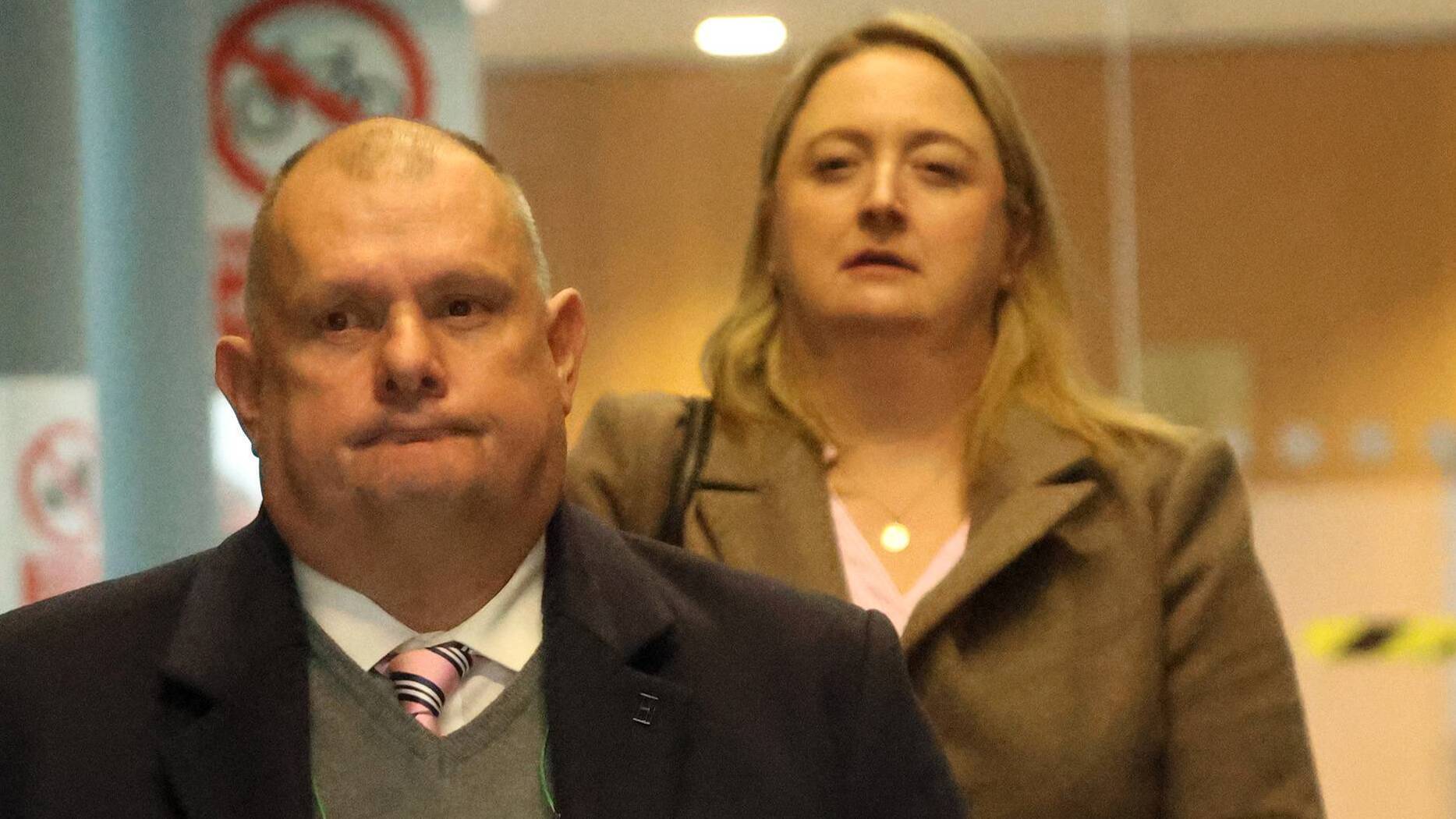
Husband and wife, retired superintendent Eamon O'Neill and Sergeant Anne-Maire Hassett. In 2019, Mr O'Neill was arrested and taken to Athlone for questioning; Sgt Hassett was held in their home for two hours. This week, they and the other three defendants in the Limerick Garda trial have been found not guilty of all charges. Picture: Brendan Gleeson
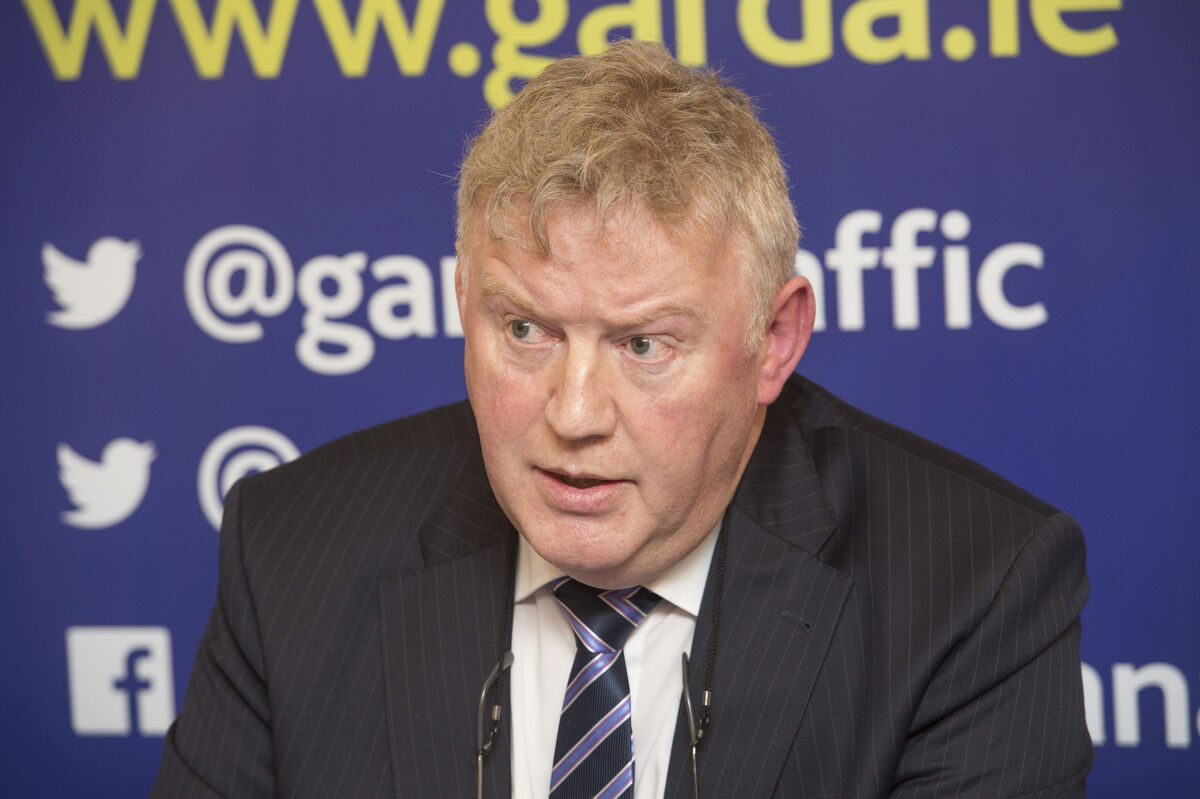
It began at 6.36am on May 16, 2019. Gardaí from the National Bureau of Criminal Investigation (NBCI) arrived at former superintendent Eamon O’Neill’s home in Co Clare.
Eleven members of the NBCI were present for the arrest of the superintendent in relation to alleged links to criminal elements.
The investigation was under Section 62 of the Garda Síochána Act, which makes it an offence for a member to release confidential information.
“I went into a deep state of shock and distress,” Mr O’Neill later told a court.
“I was trembling. I experienced an extreme form of palatable fear.”
He had had a long and well-regarded career in An Garda Síochána.
A number of garda sources credited his work in tackling the gangland crime that blighted Limerick in the 1990s and 2000s. He was a central figure in the prosecution of five men for the murder of gangland figure Kieran Keane in 2000.
Outside of work, he was known in GAA circles and was a member of the backroom team for the Limerick senior hurling manger, John Kiely.
Once he was dressed, he was taken to Athlone Garda Station for questioning.
His wife, Sergeant Anne Marie Hassett, was held at their home for two hours in a downstairs room while their nine-month-old son was upstairs.
Phones and laptops were seized.
Meanwhile, Mr O’Neill’s friend and colleague, Inspector Arthur Ryan, was also arrested and taken away for questioning.
Like Mr O’Neill, Mr Ryan was deeply embedded in sport and had worked with referees in Munster rugby.
In Athlone, Mr O’Neill was fingerprinted and a DNA sample was taken.
He was held for 24 hours, during which time he underwent interviews.
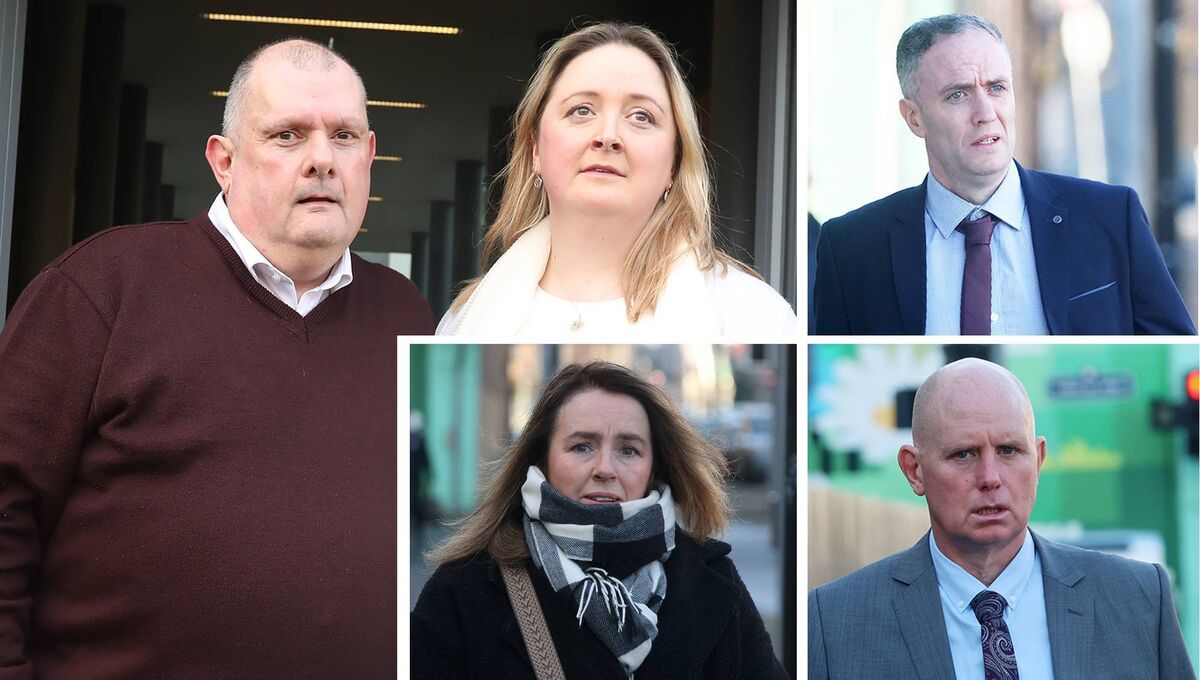
“The interview process was shambolic,” Mr O’Neill said in an affidavit.
“The persons who conducted the interviews were poorly briefed, and they appeared to have had a limited insight into what was occurring.”
His solicitor, Dan O’Gorman, was present for the interviews.
At the end of the interviews, one of the gardaí interviewing him concluded by saying: “That is the evidence we wish to put to you.”
Mr O’Neill relayed the moment in his affidavit:
Mr O’Neill and Mr Ryan were both suspended upon their release. Files were sent to the DPP.
After a protracted period, a result came back from the DPP that neither man should be charged with any offence.
The initial evidence against Mr O’Neill came from the word of a criminal source. There was no other evidence as best can be established.
A ranking member of An Garda Síochána, friendly with both Mr O’Neill and Mr Ryan, was arrested on the same day as they were.
He was subsequently charged with releasing information to criminal elements. His case is still before the courts.
For Mr O’Neill and Mr Ryan, the whole affair was transformative and potentially career-ending. Returning to work would be extremely difficult. Both had been subjected to high-profile arrests on the basis of what turned out to be either flimsy or no probative evidence at all.
Being suspended, the recently-completed trial was told by former assistant commissioner Fintan Fanning, is “almost like walking in a dead man’s shoes”, because you may be innocent but still have to suffer the penalty of being suspended.
Mr O’Neill retired from the force in early 2020 while still under suspension.
By then, both he and Mr Ryan were the focus of different investigations.
Mr Ryan was investigated for allegedly ingesting cocaine in the Hurler’s Bar, Castletroy, around 6pm one evening in late 2018 in the company of Mr O’Neill.
The latter man later swore that any basic investigation would uncover that the inspector in question “is the least likely character to take or ingest an illicit substance”, and that the CCTV evidence amounted to the man “wiping his nose”.
The evidence for the investigation was footage taken in the bar that shows him putting his hand to his face. He was seated in the lounge, where there was full CCTV, near an area where patrons walk through en route to the toilet. Anybody doing anything illegal in that area would be doing so with the most cavalier attitude possible.
The DPP concluded that no charge was warranted.
Then, Mr Ryan was subjected to a disciplinary process over the matter.
After a protracted process, during which Mr Ryan had to access forensic evidence abroad, he was eventually cleared of any disciplinary infraction.
He is now reportedly taking a legal action against An Garda Síochána.
Mr O’Neill’s journey went down a different route.
When his phones were seized and analysed, it was discovered that there were messages which suggested he had been involved in discussions on cancelling fixed charge notices for matters such as speeding, failing to wear a seatbelt, and using a mobile phone.
One case concerned driving without insurance.
In the insurance case, he had been petitioned by a retired superintendent for a neighbour on the basis that there had been major extenuating circumstances.
After consultation with Garda HQ, a new investigation of Mr O’Neill by the NBCI was opened.
What started as a probe into serious crime by violent and organised individuals was now going down a very different route.
Only when the matter was investigated by authorities outside An Garda Síochána did the full picture emerge.
Various probes uncovered that around 5% of all terminations, a huge percentage in the circumstances, were effectively quashed or “squared”.
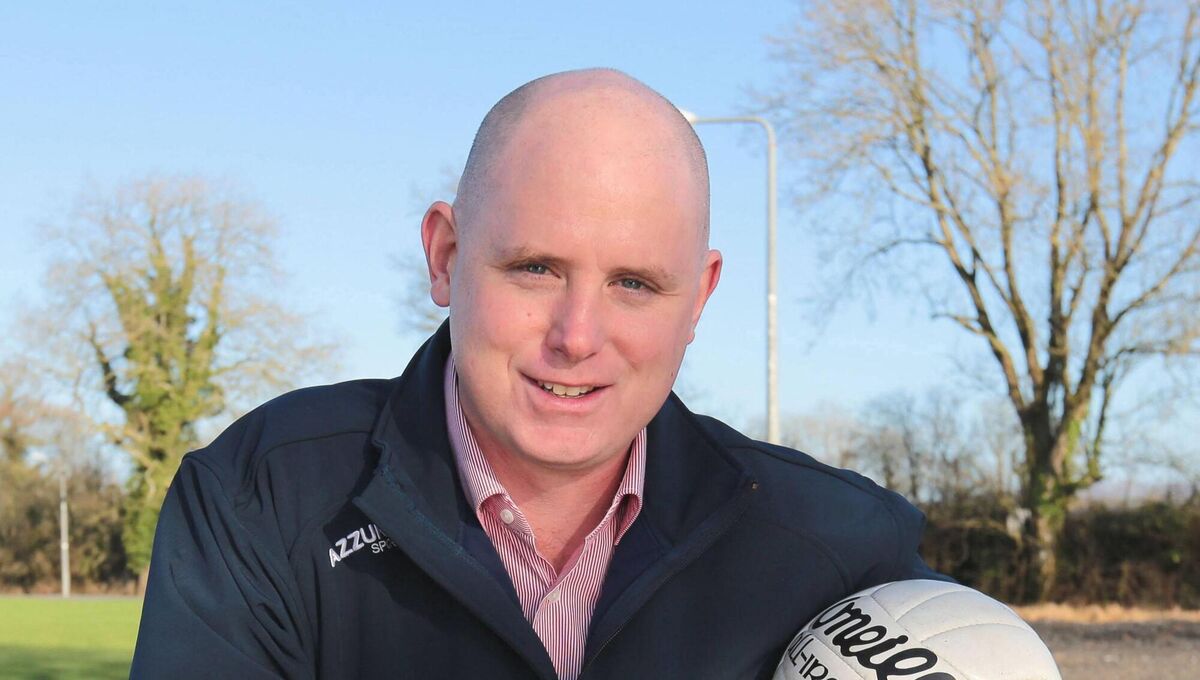
Sgt Ryan told the trial this was a polite way of saying no.
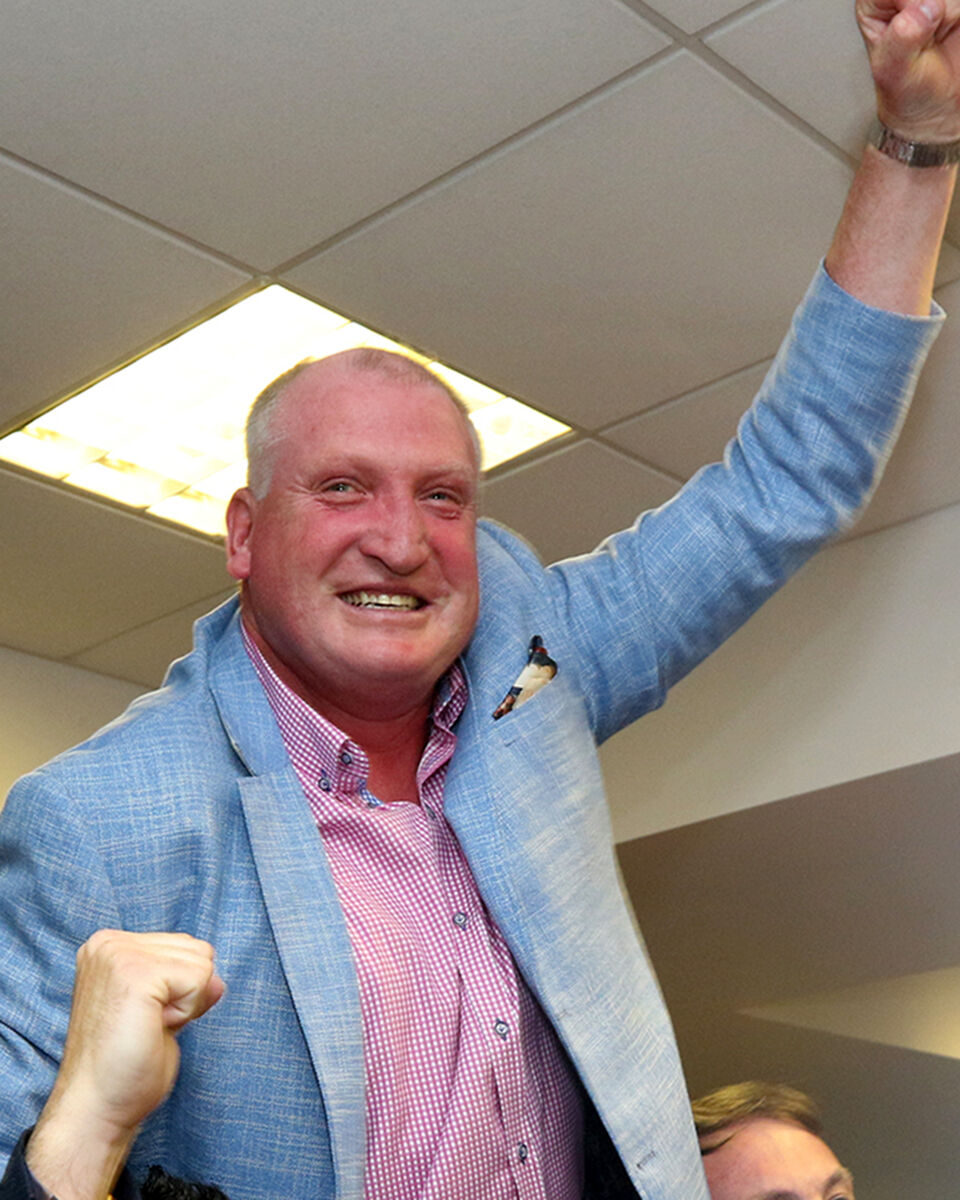
Chief Superintendent Michael McNulty, who led the NBCI team, denied this occurred.
High Court judges would be reluctant to interfere with any decision on suspensions from the commissioner, considering the effect on policing and the authority of the commissioner.
So it was that the case progressed, and the trial opened on November 11, 2025.
Each of the defendants had a solicitor, a senior counsel, and two juniors.
This is entirely appropriate as each had their own case to defend, notwithstanding the commonality in the cases.
In total, there were 17 barristers providing their services to the trial with six solicitors also in attendance.
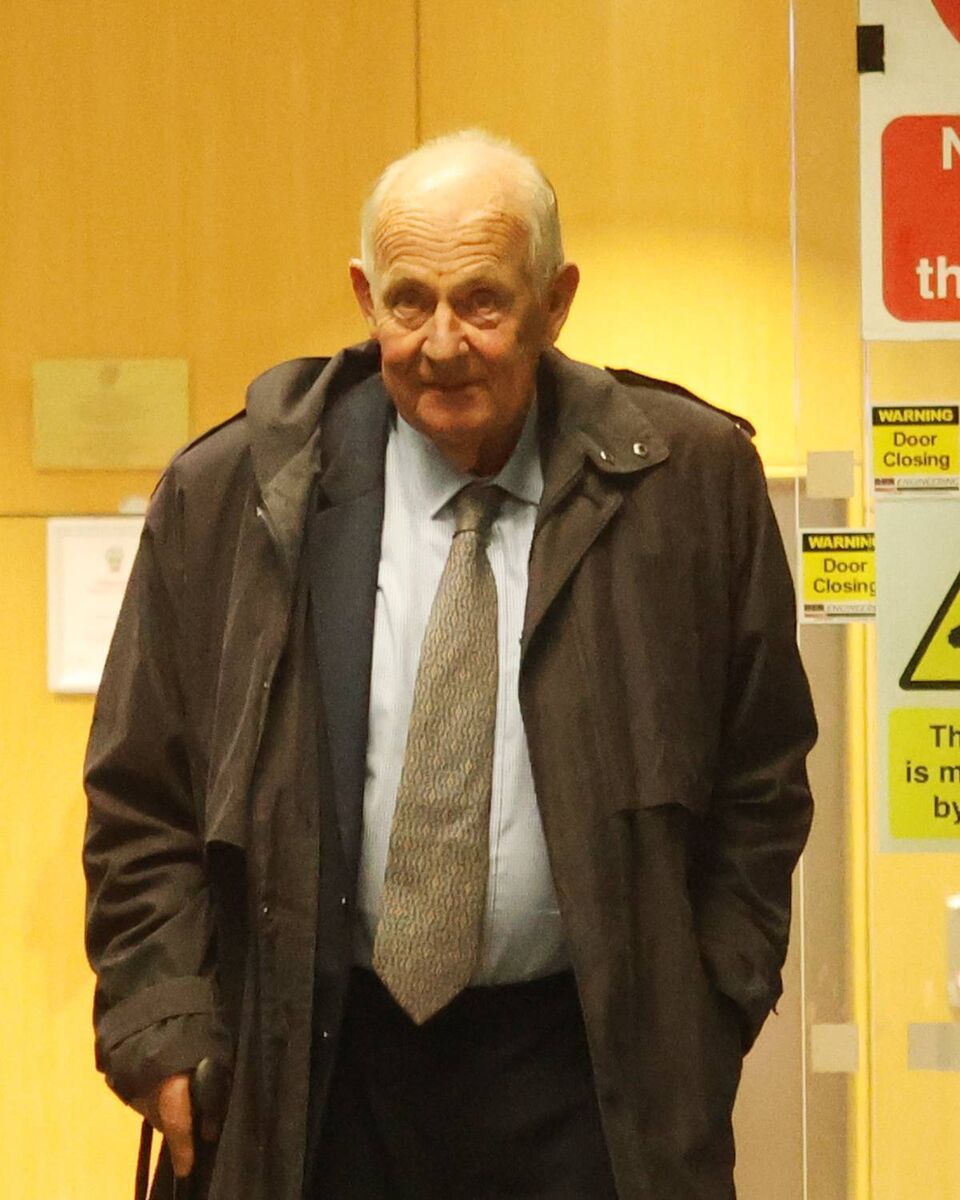
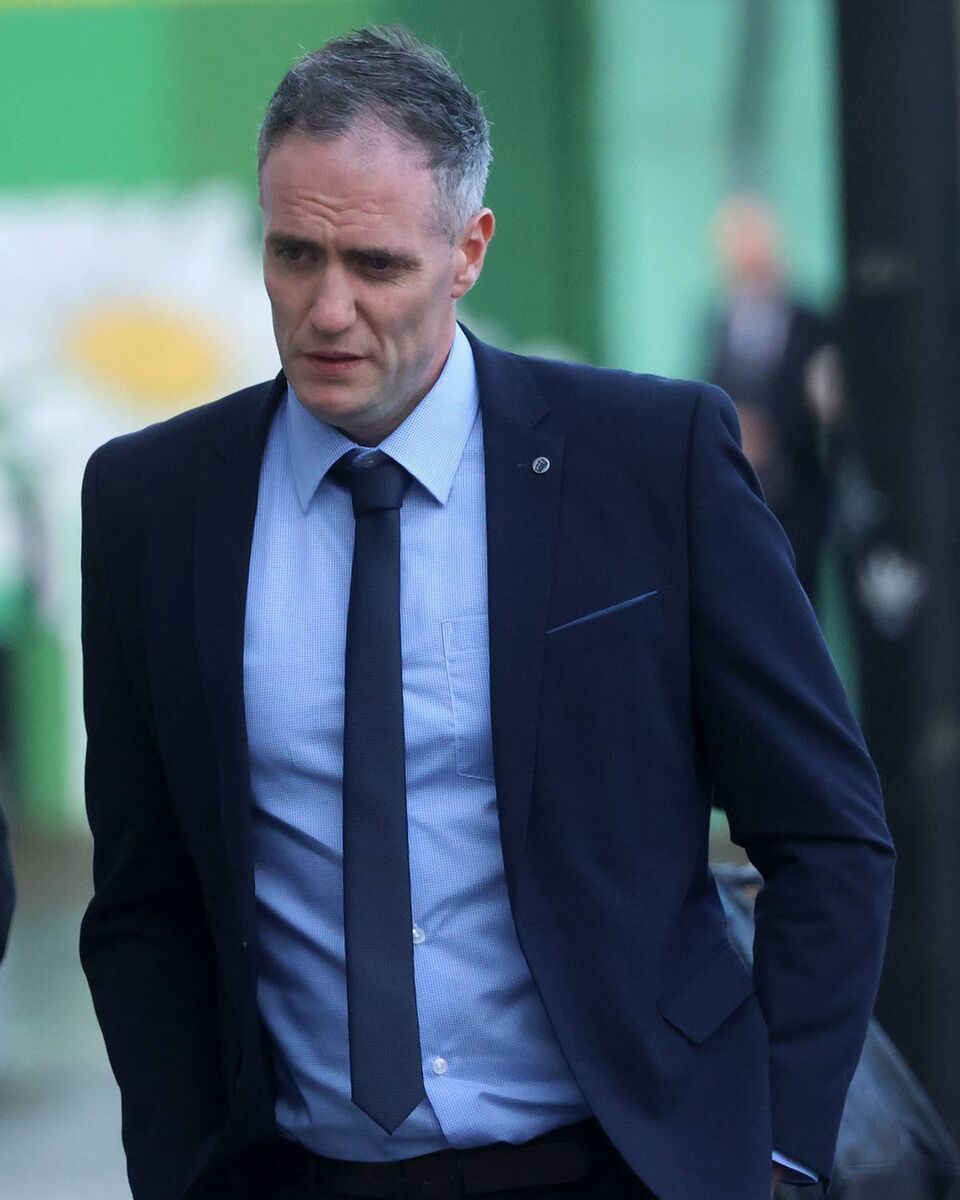
Among those present was Inspector Arthur Ryan, who had been arrested along with Mr O’Neill on that May morning back in 2019.
Legality, necessity, and proportionality are the three core principles governing lawful policing.
Deploying power and applying resources is usually informed by those principles. Is it legal to investigate? Is it necessary to do so in order to maintain law, protect public safety, or ensure that a stop is put to a presumed criminal?
Read More
CONNECT WITH US TODAY



Be the first to know the latest news and updates