Jury resumes deliberations in Richard Satchwell murder trial
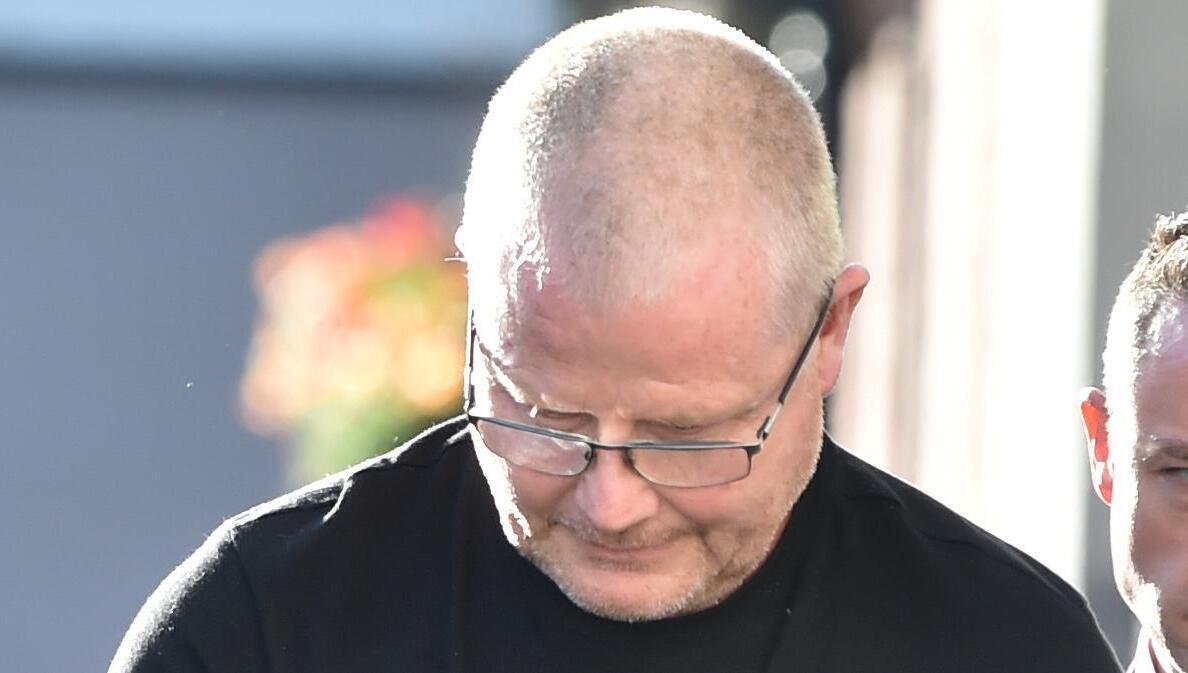
Richard Satchwell.
A jury has resumed deliberations for a third day in the trial of Richard Satchwell, who stands accused of the murder of his wife Tina in March 2017.
Mr Justice Paul McDermott invited the five men and seven women back into court at 10.36am on Thursday morning, with the jury having deliberated for four hours and 42 minutes prior to today.
“Go out and continue your work,” he told them, before they filed out of the courtroom.
Mr Satchwell, 58, has pleaded not guilty to murdering his 45-year-old wife Tina Satchwell — nee Dingivan — at their home address at Grattan Street, Youghal, Co Cork between 19 and 20 March 2017, both dates inclusive.
Ms Satchwell’s remains were found in a shallow grave under the stairs of their home in October 2023. Until that point, Mr Satchwell had maintained that he had returned home on 20 March 2017 to find his wife had gone, had taken two suitcases and a sum of money.
He made numerous media appeals expressing the hope that she would return home.
However, following the discovery of her body, he then told gardaí that she "flew" at him with a chisel and she died as he tried to hold her off with a belt. The court heard he then placed her body in a chest freezer before putting her in the shallow grave underneath the stairs.
In his charge to the jury earlier this week, Mr Justice McDermott said that they could consider the issue of self-defence.
The judge said the onus lay on the prosecution to prove that Mr Satchwell was not acting in self-defence. He said a scenario had been presented to the jury that the accused was attacked by Ms Satchwell and had sought to defend himself in the manner described in his interviews with gardaí.
He said if the jury decided the force used by Mr Satchwell was reasonable in the circumstances as he honestly believed them to be, then they must acquit him of murder and manslaughter and return a verdict of not guilty.
Mr Justice McDermott said if Mr Satchwell honestly believed he used no more force than was reasonably necessary, but the degree of force used was not what a reasonable person would have used, then he was not guilty of murder but guilty of manslaughter.
He said if self-defence didn't apply, then they could find the accused guilty of murder provided they were satisfied he intended to kill or cause serious injury.

CONNECT WITH US TODAY



Be the first to know the latest news and updates