Minister agrees to defer decision on medals for Irish soldiers who fought at Jadotville
Two retired members of the Defence Forces are concerned that just one medal may be awarded when, they maintain, all those who showed exceptional bravery should be honoured.
Minister agrees to defer decision on medals for Irish soldiers who fought at Jadotville

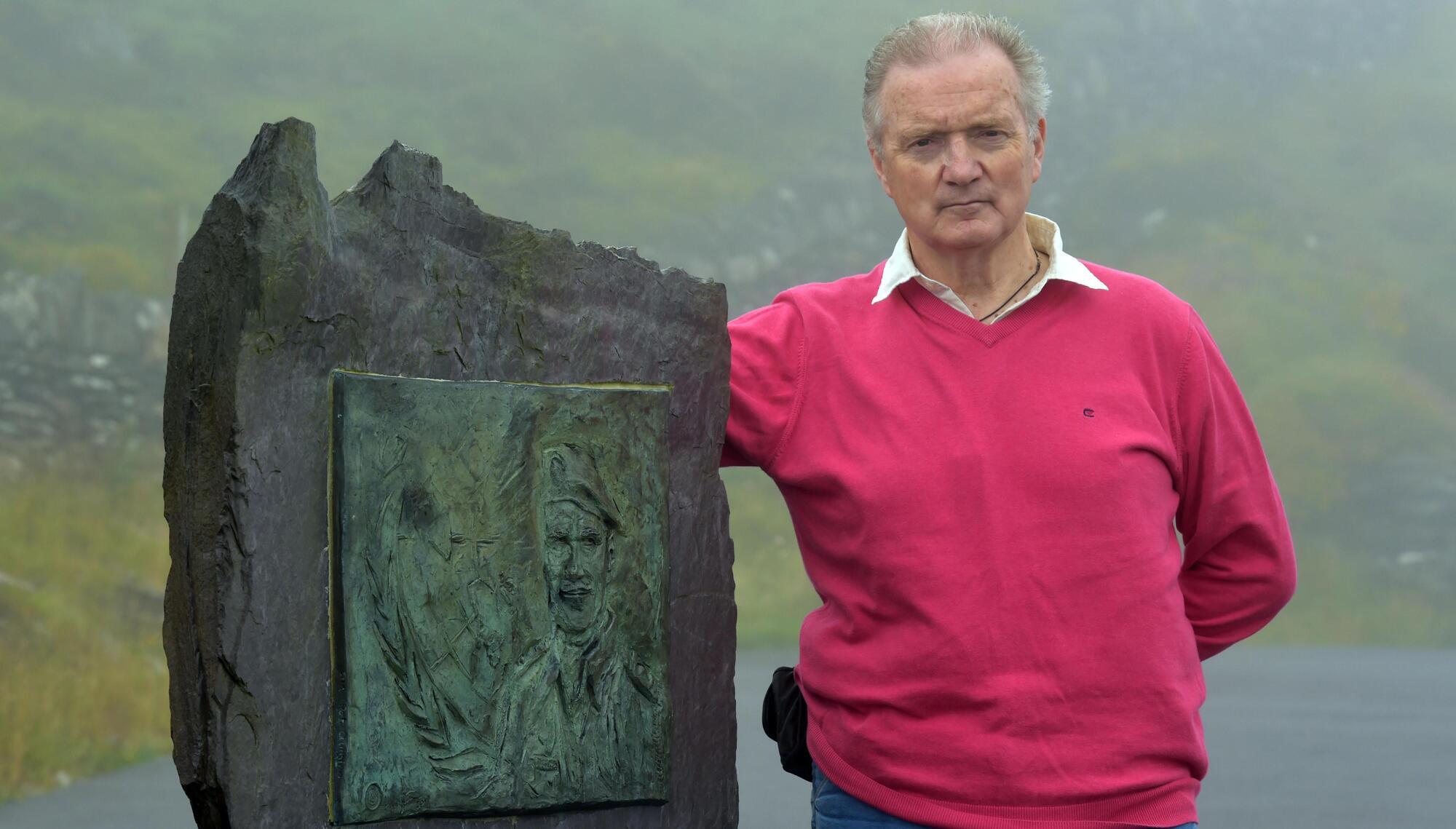
Leo Quinlan, son of CMDT Pat Quinlan who led the Siege of Jadotville, pictured at a commemorative plaque close to his home at Coomakista Pass, Waterville, Co Kerry. Picture: Don MacMonagle

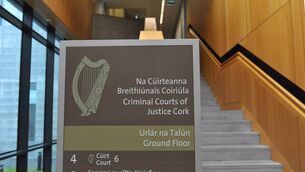
The Minister for Defence has undertaken not to consider how many medals should be awarded to Irish soldiers who fought in the 1961 Battle of Jadotville prior to a legal challenge returning before the High Court in November.

The undertaking was given through the minister’s lawyers earlier today when proceedings by campaigners seeking to honour the Irish who fought from September 13-17, 1961, at Jadotville, Katanga, in the then Republic of Congo, were adjourned by consent to November 2.

The proceedings are by two retired members of the Defence Forces, senator Gerard Craughwell and Leo Quinlan. Their concern is that just one medal may be awarded when, they maintain, all those who showed exceptional bravery should be honoured.

Former Commandant Quinlan, of Barna, Co Galway, is a son of the late commandant Patrick Quinlan, who commanded the Irish troops at Jadotville.

 Comdt Pat Quinlan with Matt Quinlan and John Manning. Picture: Leo Quinlan collection
Comdt Pat Quinlan with Matt Quinlan and John Manning. Picture: Leo Quinlan collection

Represented by Vincent Heneghan, with John Berry and Joseph Mulrean, the applicants, also sought an injunction restraining the minister, pending the outcome of their proceedings, not to consider any recommendations arising from the convening of any military board to consider the award of medals for the Jadotville battle.

Ms Justice Bronagh O’Hanlon was told by Mr Heneghan the sides had agreed the injunction application, and the judicial review proceedings, could both be adjourned to November.

Through his counsel, Andrew Fitzpatrick, the minister gave an undertaking not to consider any medals recommendations, pending the matter returning to court.

In September 1961, Cmdt Patrick Quinlan and 155 troops were dispatched to the then breakaway province of Katanga, as part of a UN mission. They came under sustained attack over five days at Jadotville from a significantly larger and well-equipped force of 3,000 Belgian, French, and Rhodesian-led Katanga mercenaries with air support.

Despite inflicting serious casualties on their attackers, the Irish troops ran out of ammunition and water, and then surrendered. They were eventually released. No Irish soldier was killed in the battle.

Patrick Quinlan, following the battle, had recommended the troops under his command at Jadotville should be awarded medals, but those requests were rejected by his superiors.

In an affidavit, Leo Quinlan said, notwithstanding their service, the Irish troops were “treated shamefully” as a result of their surrender.

A report of an Independent Review Group, set up last year by the Defence Forces chief of staff, made clear the soldiers fought and held their encircled position for five days after which, without hope of a relief force and without supplies, they were forced to surrender or “defencelessly face massacre”, he said. Last July, the men received an apology from the State.

Mr Quinlan said the independent review group had recommended a medal process be initiated without delay for the consideration of the Distinguished Service Medal for his father.

He had disagreed with a suggestion by the group chairman that awarding a medal to his father, as representative of the efforts of all the soldiers of A-company, might resolve the medals issue.

The applicants maintain others should receive medals and want an opportunity to make submissions to any Military Board convened to consider the award of medals for exemplary conduct.

They say they have received no proper response from the Government concerning whether such a board has been convened, and have taken their proceedings over fears that a decision may be taken regarding medals without them being able to make any submissions.

Among the reliefs sought is a declaration they be allowed to make submissions to any such board.

More in this section

Lunchtime News

Newsletter

Keep up with stories of the day with our lunchtime news wrap and important breaking news alerts.

Cookie Policy Privacy Policy Brand Safety FAQ Help Contact Us Terms and Conditions

© Examiner Echo Group Limited