Jury told 'narrowing narrative' during 'vicious' prosecution of retired garda, defence claims
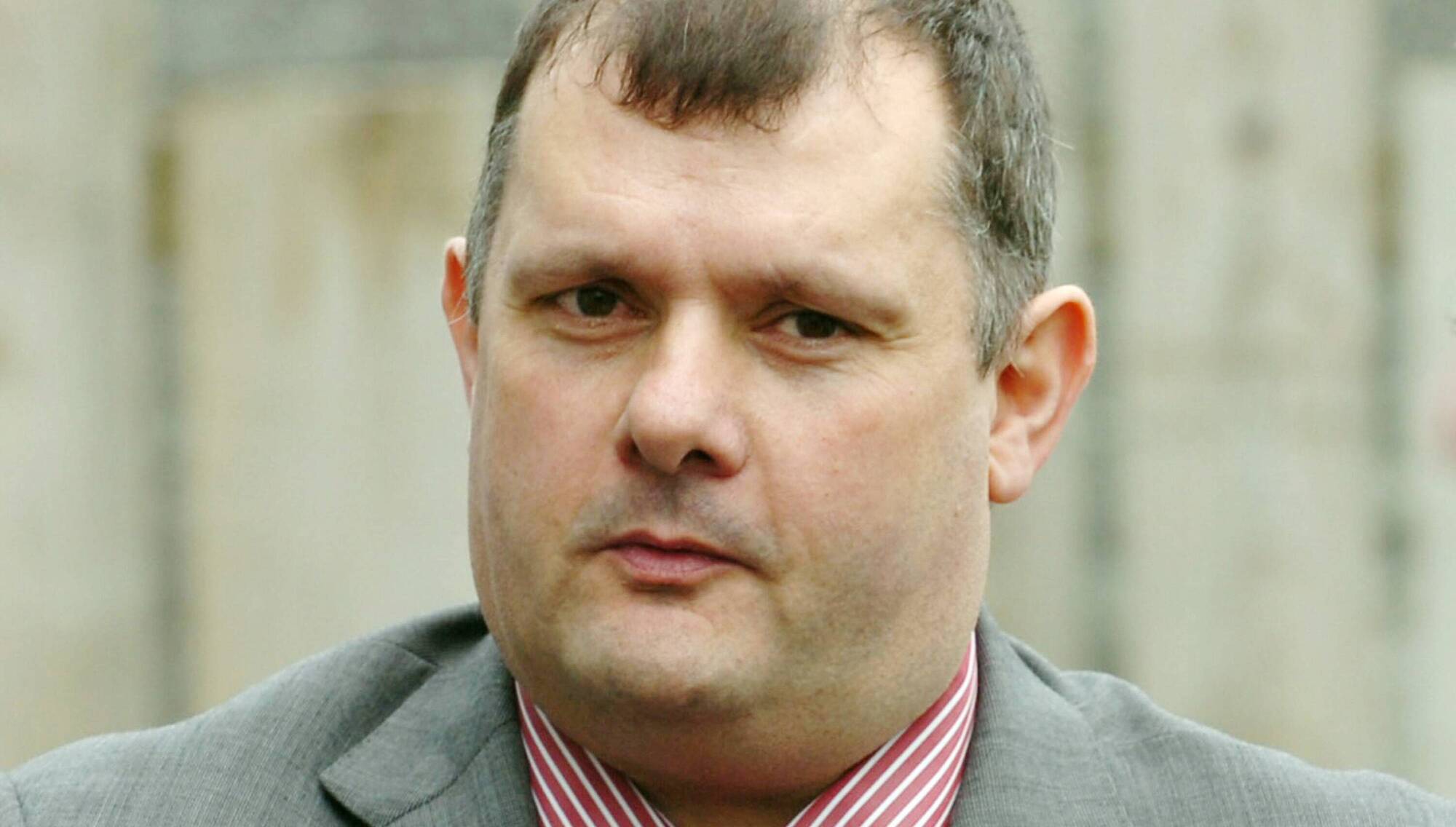
The court heard motorists contacted Eamon O’Neill when he was a superintendent. He, in turn, forwarded the requests to Garda Tom McGlinchey and Garda Colm Geary, who contacted the investigating garda involved in the cases. File picture: Liam Burke/Press 22
The prosecution of a retired garda superintendent and four serving gardaí accused of unlawfully interfering in potential or pending road traffic summonses is “insane” and “vicious”, a barrister for one of the accused has said.
Retired Superintendent Eamon O’Neill, Sergeant Anne Marie Hassett, Sergeant Michelle Leahy, Garda Colm Geary, and Garda Tom McGlinchey have denied a total of 39 counts at Limerick Circuit Criminal Court of unlawfully interfering in potential or pending prosecutions involving 26 motorists.
The prosecution case, led by senior counsel Carl Hanahoe, is that Mr O’Neill gave “preferential” treatment to people he knew or had a close connection with in trying to get them off potential or pending road traffic prosecutions.
Mr Hanahoe argued that “preference” was entirely different to “discretion”, which the court heard was a power available to gardaí when using their own judgement on whether or not to pursue a prosecution.
He told the jury that Mr O’Neill sought to have fixed charge penalty notices or court summonses — including for alleged speeding, non-wearing of seatbelts, driving without insurance — not pursued by the investigating garda or struck out in court by a garda court presenter.
Mr Hanahoe said text messages exchanged between Supt O’Neill and motorists, along with those exchanged between Supt O’Neill and some of his co-accused, were clear attempts at interfering in the natural course of justice.
The court heard motorists contacted Eamon O’Neill when he was a superintendent, asking for advice and discretion in relation to the cases. He, in turn, forwarded the requests to Garda Tom McGlinchey and Garda Colm Geary, who contacted the investigating garda involved in the cases.
Sergeant Hassett texted some of the detecting garda members, and Sergeant Leahy “ensured the summonses were withdrawn”, Mr Hanahoe said.
Some of the motorists involved included members of the Limerick senior hurling panel, which Mr O’Neill was associated with. It was a case of “who you are”, Mr Hanahoe said.
Mr Hanahoe said, at the time, Supt O’Neill did not have the power to cancel traffic summonses or fixed charge penalty notices, because that power had been taken out of local superintendents' hands five years previously following the much publicised penalty points scandal.
Mr Hanahoe argued the only superintendents who could decide on cancelling tickets were those who worked out of the office of a cancelling authority located in Thurles.
“The four co-accused sought ways to persuade other [gardaí] not to prosecute because of who the motorists were, and because of the friendship that they had with Eamon O’Neill,” said Mr Hanahoe.
“The evidence is clear; what was happening was preference — pure and simple — and the appropriate verdict on all counts is guilty,” he said.
In his closing speech, Felix McEnroy, the senior counsel for Mr O’Neill, said experienced senior gardaí, including retired assistant garda commissioner Fintan Fanning and retired chief superintendent Gerry Mahon, had given evidence at the trial of their concern at founding a criminal investigation largely on text messages.
Mr McEnroy said when Mr Mahon found out about the Garda National Bureau of Criminal Investigation (GNBCI) probe into Mr O’Neill and the other accused, he was so “concerned” that he wrote a 17-page letter to the then garda commissioner and another letter to the then deputy commissioner outlying his “serious misgivings”.
Mr McEnroy suggested to the jury that the GNBCI probe was “wrong” on many levels, and it was “not getting the whole story” from the prosecution, but was told a “narrowing” narrative.
He said the prosecution had ‘changed its story” and “amended” the charges against the five accused midway through the trial.
Mr McEnroy told the jury the GNBCI had previously investigated Eamon O’Neill in respect of completely separate allegations not before the court — “and that went nowhere”. In that case, Mr O’Neill was found to have no case to answer.
Mr McEnroy argued the GNBCI unfairly targeted Eamon O’Neill because this first investigation into him had failed and it had cost a lot of money and resources. He described the second investigation as “outrageous” and “vicious” in its pursuit of Mr O’Neill.
“The crucifixion of Eamon O’Neill has already happened, and this is about the cremation of Eamon O’Neill, and, the other (accused) are the kindling around his feet to ensure the fire captures him and incinerates him as a criminal,” said Mr McEnroy.
Mr McEnroy said the trial heard witnesses described Mr O’Neill as an “outstanding garda” who helped end a decade long gangland warfare in Limerick City that resulted in 23 murders. However, he argued that the impact of the GNBCI probes had “destroyed” him.
He said the GNBCI was “excessive” in its approach to Mr O’Neill, and that it had decided that “if he wasn’t guilty in (the first probe), he must be guilty on this”.
“This is insane, this case has a vicious undertone,” Mr McEnroy said.
Mr McEnroy argued that if garda management had an issue with his behaviour, it should have investigated whether there had been any potential breaches of internal “policy” and not pursued a criminal trial
”What on Earth has it got to do with criminal law? The management of An Garda Síochána is in complete disarray if this case is an accurate description of what is going on,” said Mr McEnroy.
He described the prosecution case as a “mess” and that, if Mr O’Neill was found guilty, it would be “a profound injustice, an assault on the truth and reprehensible”.
Mr McEnroy told the jury: “You have the power to stop this, you are the last line in justice.”
Barristers for the four remaining gardaí on trial are to give closing speeches to the jury.
CONNECT WITH US TODAY



Be the first to know the latest news and updates