Discussions at 'very early stage' on removing need for diagnosis to enrol in special class
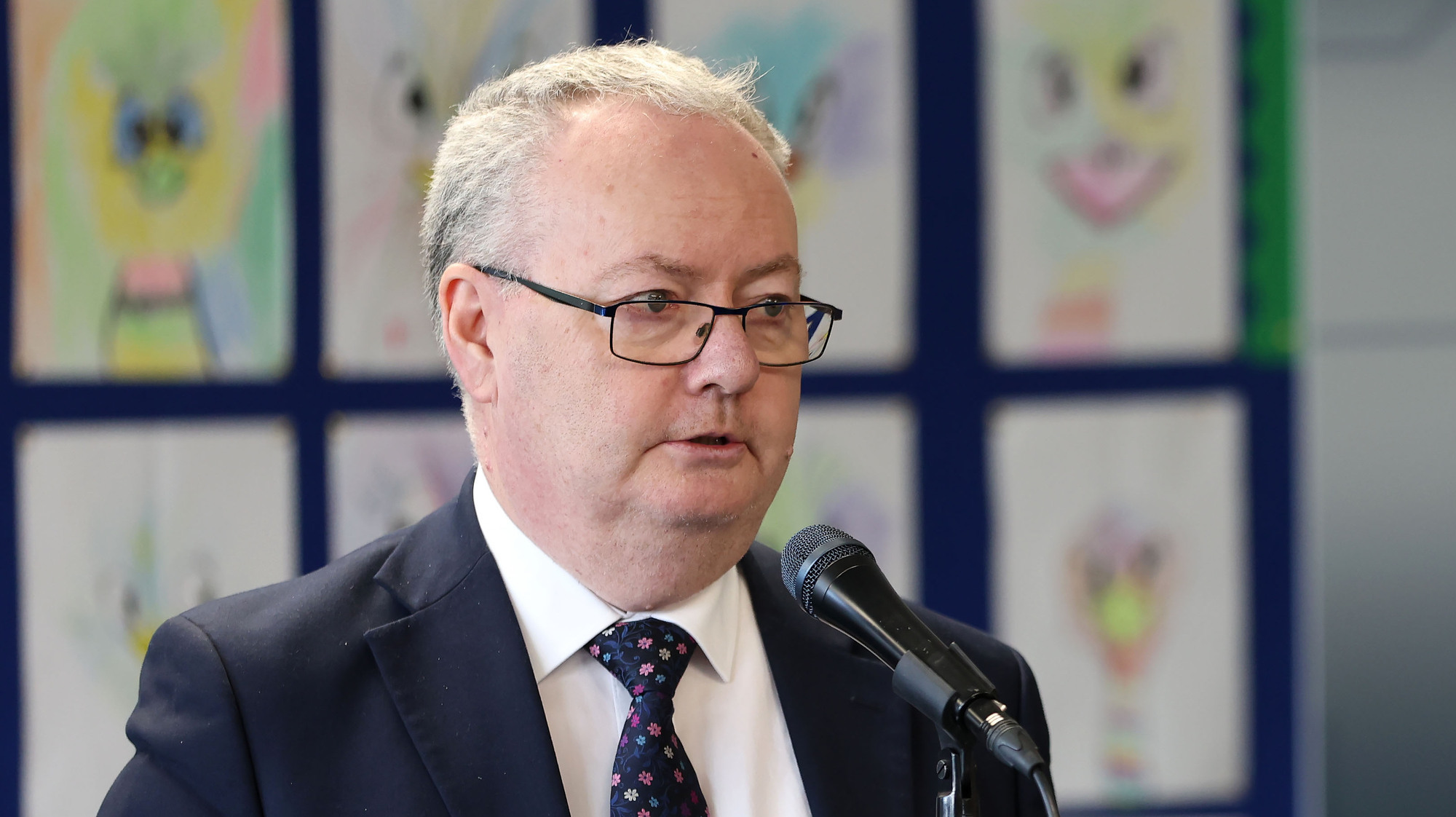
Michael Moynihan said he recognised diagnosis continued 'to play an important role for many children and young people and their families'. File picture: Jim Coughlan
Discussions around potentially removing the need for a diagnosis to enrol in a special class or special school are "at a very early stage", the Minister of State for special education has told the Dáil.
Michael Moynihan on Thursday said no decision had yet been made about removing diagnosis for eligibility arrangements for special education placements.
He said any decision would be "informed by intensive engagement with the education stakeholders".
Sinn Féin education spokesperson Darren O'Rourke had asked about the plans, saying the proposals had sparked widespread concern.
Read More
Information presented to Government in September confirmed the Department of Education was developing a "needs-led, education-based model" for special classes and special schools.
This is "aiming to remove the requirement for a diagnosis and to ensure access is based on a child’s educational support needs", according to the Department of Children, which is tasked with developing the Disability (Amendment) Bill 2026.
The legislation is aimed at introducing a number of reforms to the assessment of need process for children and their families.
Currently, a formal diagnosis is required to access a special class or a place in a special school. This does not have to be tied to the assessment of need process.
In the Dáil on Thursday, Mr O'Rourke asked Mr Moynihan if the impact of removing the need for a diagnosis on the demand for resources has been assessed. He also asked if the proposals formed part of the ongoing pay talks.
Mr Moynihan said: "I hear from families, parents, schools of the need for better access to support, as, and when, they are needed. I do not want to see a situation for [education where a] need is not met because a child does not have a diagnosis for a disability.
"I'm looking to make improvements in this area."
Mr Moynihan said he recognised diagnosis continued "to play an important role for many children and young people and their families."
"I cannot be clearer in saying that no decisions have been made in regarding any future changing to eligibility arrangements for special education placements."
Work was at a "very early stage" of development, he said.
"We will not be making any decisions unless we have everybody on board."
The Department of Education has "no intention of going backwards in terms of providing for special education across the system", Mr Moynihan said.
"Any changes into the future have to be with the education partners because these are crucial people," he added. "School leadership, the school teachers, and SNAs, and everybody else. We have to engage as well as with families and disability organisations as well."
"This is a very fundamental decision that we are looking at, and we will not be making any decisions unless we have everybody on board."
Speaking afterwards, Mr O'Rourke said: "If the Government removes the existing diagnosis requirement without putting an equally robust, transparent and professionally informed system in its place, we risk children being placed in settings that are not appropriate for them.
"That would be devastating for the children concerned, their families and the other children and staff in those settings."
- Jess Casey, Education Correspondent
CONNECT WITH US TODAY



Be the first to know the latest news and updates