Road deaths among young people up by 12 as RSA reform plan due within weeks
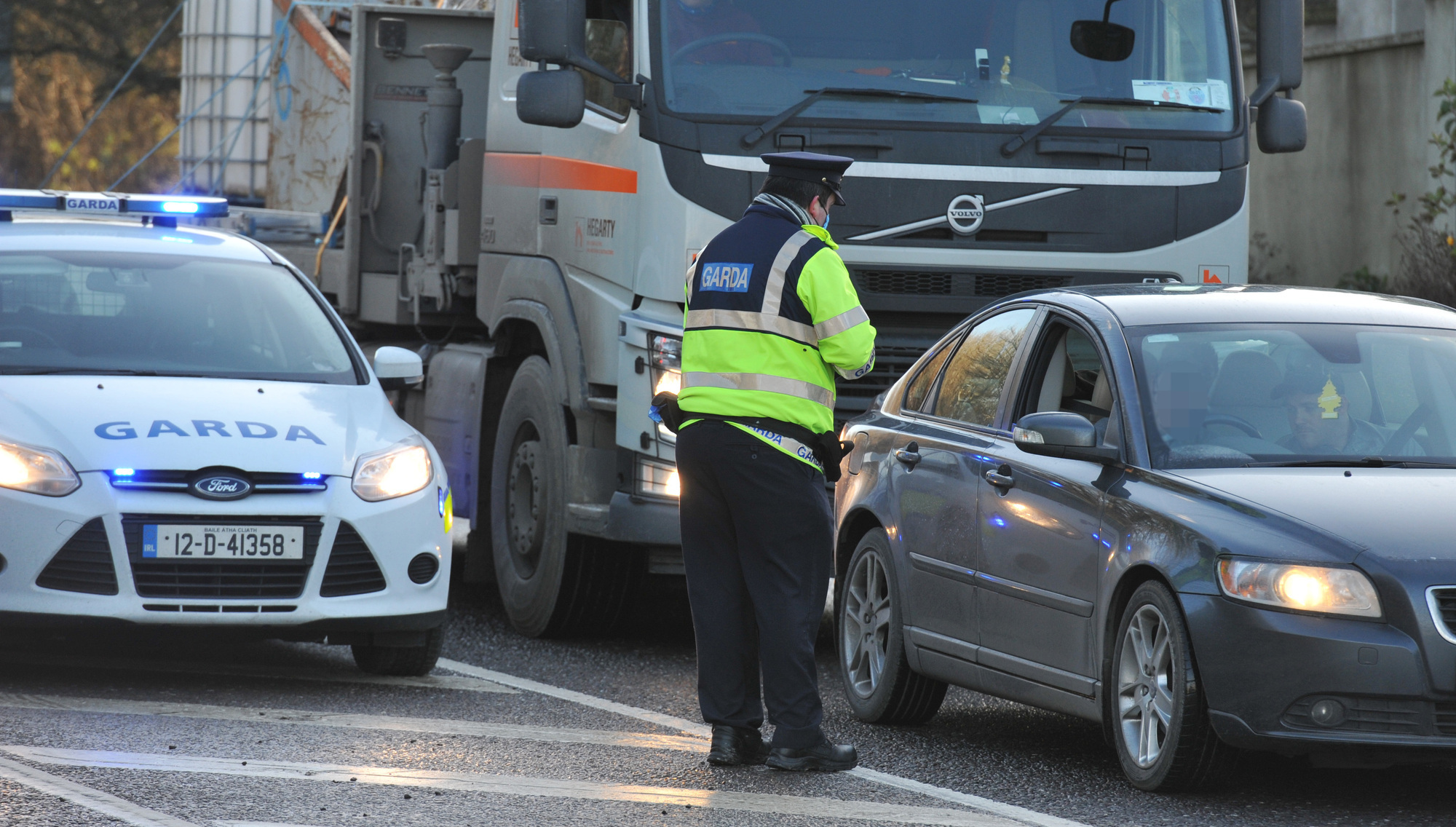
A total of 38 fatalities involved people aged between 16 and 25, also 12 more than during the same period last year. Seven of those killed were pedestrians. Picture: Larry Cummins
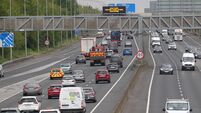
New garda statistics have revealed the extent of the rise in deaths among young people on Irish roads[/url] this year, as it emerged that a long-awaited reform of the Road Safety Authority (RSA) will be presented to the Government within weeks.
The latest road fatality figures from An Garda Síochána show that 151 people have died on Irish roads so far this year, 12 more than during the same period in 2025. Of those killed, 29 were pedestrians.
A total of 38 fatalities involved people aged between 16 and 25, also 12 more than during the same period last year. Seven of those killed were pedestrians.
Separately, amid renewed tensions between the Department of Transport and the RSA, road safety minister Seán Canney said an implementation plan for RSA reform would be presented to him in “the coming weeks”.
The minister welcomed a decision by the RSA on Tuesday to abruptly cancel its €1.5m project to introduce breathalysers for drivers in pubs and hotels, describing it as “the right decision”.
Read More
In response to the increase in fatalities, Assistant Garda Commissioner for Roads Policing Denis Ferry urged motorists to “be aware of our pedestrians and our vulnerable road users”.
With the clocks going back on Saturday and darker days approaching, he added that “pedestrians also need to ensure that they're visible”.
“We want people to make responsible choices this weekends and let's ensure that everyone gets home safely,” Assistant Commissioner Ferry said.
His comments were echoed by Mr Canney and RSA chief executive Sam Waide. Mr Waide noted that 178 pedestrians were killed on Irish roads between 2021 and 2025, two-thirds of them male.
“I would ask everyone to look out for those pedestrians and vulnerable road users, including cyclists, and slow down,” he said.
“The clocks are changing. So the dark evenings are in, the dark mornings, and the weather will change. It is deceiving. There'll be rain, there'll be wind. So for drivers, slow down, look out for flooding, but look out for those pedestrians, and for pedestrians: be mindful and be seen.”
Regarding the RSA’s abandoned plan to provide breathalysers to hospitality businesses, Mr Waide confirmed that the decision to proceed with the project had been taken politically, adding that the association “respects the Minister's decision”.
He also confirmed that the €1.5m tender, announced on October 13 before being withdrawn eight days later, had required a full business case to be drafted before approval.
Mr Canney insisted he had a good relationship with the RSA, despite questions about the cancellation of the tender. However, he said he was working with the authority through his department on reforming the organisation.
“We're getting to a stage where I will be getting an implementation plan presented to me in the coming weeks,” the minister said.
“On that, we are making changes. We are working together to make these changes to make the RSA more effective,” he added.
The previous Government approved a plan in November 2024 to split the RSA in two, transferring its driver and vehicle testing responsibilities to one entity and its consumer safety functions to a separate body.
The plan, which stemmed partly from an earlier rise in road fatalities, was abandoned by the current Government in December 2025.

CONNECT WITH US TODAY



Be the first to know the latest news and updates