Omagh bombing inquiry: Legal team alleges ‘catastrophic failure’ by Irish state
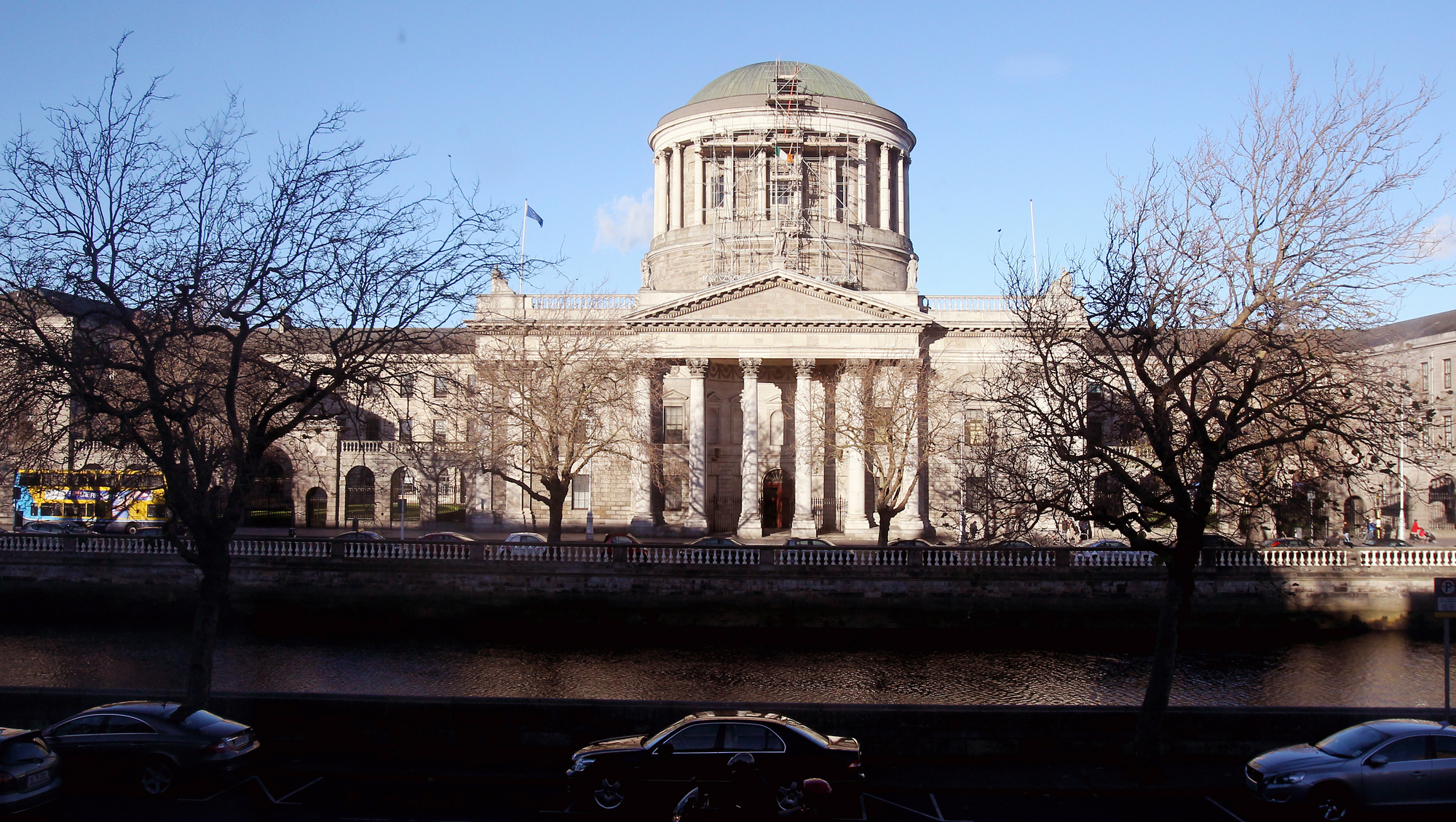
Ms Justice Mary Rose Gearty granted three weeks for the legal team to draft further affidavit evidence, relating to information uncovered in the Belfast inquiry (Niall Carson/PA)
The Omagh bombing could have been prevented but for a “catastrophic failure of intelligence sharing” by the Irish state, according to the legal team seeking a public inquiry.
On August 15, 1998, a dissident republican car bombing in Omagh killed 29 people, including a woman who was pregnant with twins, in the worst single atrocity of the Troubles in Northern Ireland.
The High Court in Dublin heard on Tuesday that the Irish Army received a warning call at Finner Camp in Ballyshannon, Co Donegal, on the night before the bombing, ending with the ominous words: “Omagh, Omagh, Omagh”.
That warning was never passed to the security forces in Northern Ireland.
On August 12, security forces in Northern Ireland had received information that the Real IRA planned to move explosives north in the following days.
Speaking after the case was mentioned in the High Court, Conor Cullen, a solicitor calling for an inquiry, said the bombing could have been avoided if the second piece of information, which mentioned Omagh, had been shared.
“If those two pieces of intelligence had been combined, the Omagh bombing could well have been prevented,” he said.
“This is a catastrophic failure of intelligence sharing, and essentially it falls squarely at the feet of the Irish state, and therefore that must be properly investigated in this state.”
Read More
The Conway judicial review was brought by Shawneen Conway, whose brother Gareth Conway was killed in the 1998 attack.
The review, which seeks to compel the Irish Government to establish a public inquiry into the Omagh bombing, was before the High Court on Tuesday for mention.
In Belfast, a separate inquiry is examining whether the explosion could have been prevented by UK authorities.
At the Four Courts, Ms Justice Mary Rose Gearty granted the legal team three weeks to draft further affidavit evidence relating to information uncovered during the Belfast inquiry.
The Omagh Bombing Inquiry in Belfast was told on October 12 that an Irish Army camp received a warning call the day before the bombing, ending with the words “Omagh! Omagh! Omagh!”.
Journalist John Ware, who reported extensively on the bombing, relayed a note given to him before he addressed the inquiry, referring to a call received at Finner Camp on August 14, 1998.
The note said: “The caller wasn’t drunk. Sounded sensible. Said ‘get on to the guards, tell them to check the back routes or back roads’. And then repeats three times, ‘Omagh! Omagh! Omagh!’.”
The legal team behind the Conway judicial review said it also intends to highlight the Irish state’s refusal to allow it to use the document containing the warning.
The team said the document had only become available after it was pursued through the Belfast inquiry and the material was brought into the public domain.
Speaking after Tuesday’s High Court sitting, Mr Cullen said questions had to be asked not only about why the information was not shared at the time, but also why the Irish state had not made it available to the Omagh Bombing Inquiry in Belfast sooner.
“That’s another question that needs to be addressed,” he said.
“Why has it not been shared previously? Obviously, on the night before the bomb, and why has it not been previously provided by the Irish state?
“This is a fluid situation in that there’s information arising from the ongoing inquiry in the north, which is highly relevant to these proceedings, and in the information that we’re receiving from the large batches of disclosure, which have been essentially dumped on the legal teams in the north, we’re finding nuggets of information which are highly relevant.
“It obviously takes the work of the inquiry in the north to uncover that information. But now that we have it, it obviously adds to the strength of this case, and as to why the Irish state must fully investigate the intelligence sharing.”
CONNECT WITH US TODAY



Be the first to know the latest news and updates