Grocery price inflation ticks up again in October
Prior to September, grocery price inflation had been declining for four straight months.
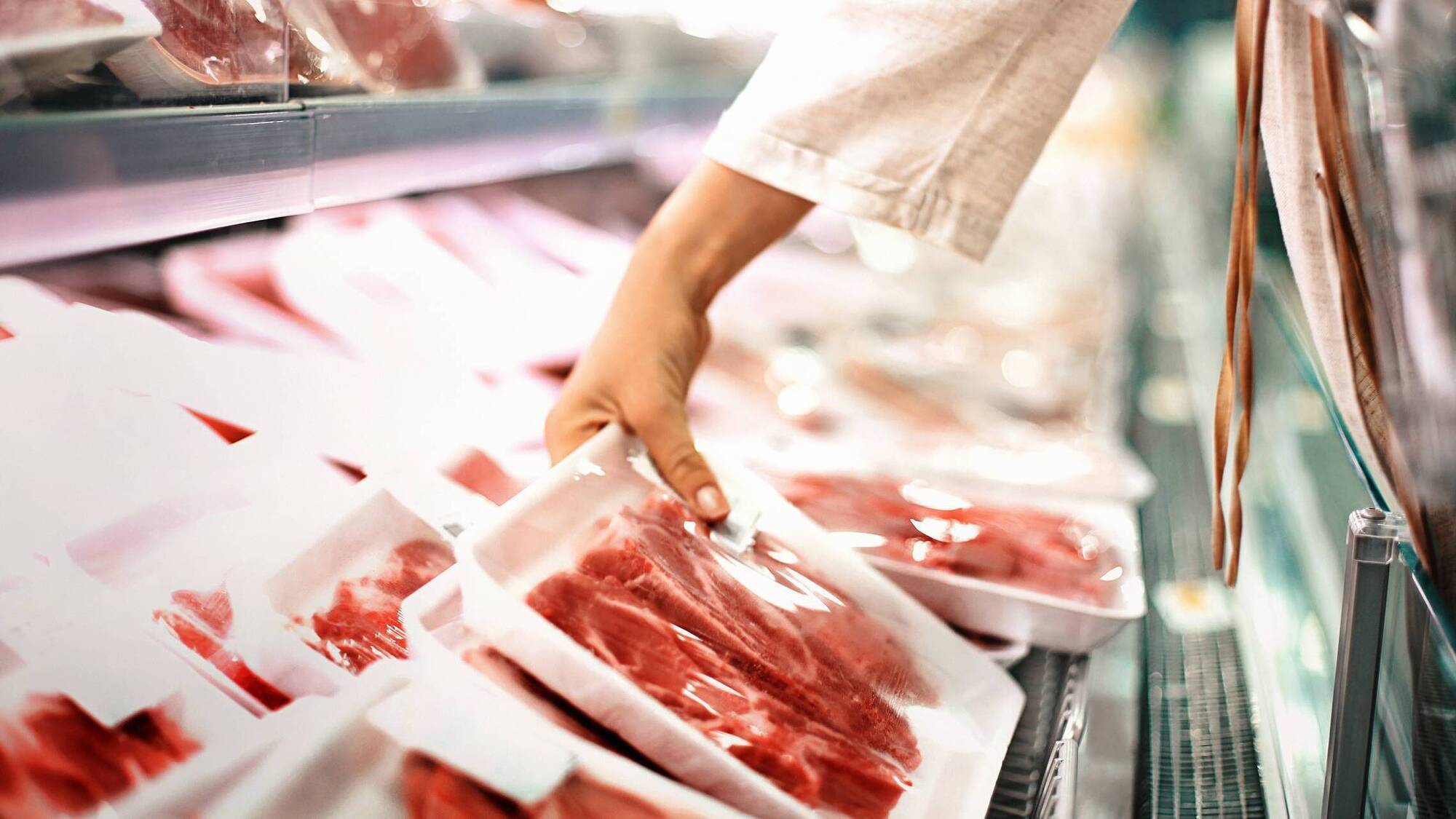
Grocery price inflation picked up once again earlier this month, increasing to 4.69% as the overall rate of inflation continued to tick upwards on the back of surging oil and energy prices, new data shows.
According to figures from Worldpanel by Numerator, like-for-like grocery price inflation rose to 4.69% in the 12 weeks to October 4. In September, the rate stood at 4.28%.
The increase in September, from 3.87% in August, ended a series of four consecutive months of easing.
This comes as data from September shows the overall annual rate of inflation hit 4.1%. The last time the annual rate of inflation was higher than 4% was January 2024. Excluding the price of energy and unprocessed food, inflation grew by 3.1% over the 12 months to September.
In terms of spending across supermarkets, the data from Worldpanel by Numerator shows take-home grocery sales in Ireland increased by 4.3% over the four weeks to October 4 compared to the same period last year.
Shoppers made more frequent but smaller trips over the month, with store visits up 2.9% but the number of items purchased per trip down 5.7%.
Head of retail for Ireland at Worldpanel by Numerator Eimear Faughnan said the cost of living “was front of mind for shoppers in Ireland in the run-up to the latest budget”.
“Milder weather may have delayed the decision by many to turn on the heating, but the mood among shoppers is cautious, who are thinking carefully about what they put in their basket. They’re shopping little and often and keeping a close eye on spend.”
Purchases of items on promotion accounted for 21% of the total grocery spend in the 12 weeks to October 4 with shoppers spending an additional €454m on deals compared with last year.
“Special offers remain a key tool for shoppers looking to keep their grocery bills in check and make pricier items and larger packs more affordable, and the increase in promotional spending is further evidence that the focus is on value for money for many,” Ms Faughnan said.
Branded items account for 50.9% of the market during the month with sales up 12.4% year-on-year. Own label grew at a similar pace, up 3%. Premium own label was the standout performer, with sales up 11.9%.
In terms of supermarkets’ share of consumer spending, Dunnes Stores retained its top spot, taking in a 24.8% share in the 12 weeks to October 4. Its year-on-year sales grew by 7.2%, while consumer visits to its stores increased by 3.4% both of which helped add €32m to the retailer's performance.
Tesco was in second place, with 24% market share. Alongside more frequent trips by customers, new shoppers to Tesco stores contributed an additional €19.3m to its overall performance.
SuperValu held an 18.8% share of the market, while Aldi held a 10.8% share.
Market share for Lidl stands at 14.6%, up 8.3% versus last year, which is the highest growth rate among all supermarket chains in the country during this period. Lidl saw existing shoppers return to store more often, while also picking up more packs per trip, and an influx of new shoppers contributed an additional €36.5m to overall performance.
CONNECT WITH US TODAY



Be the first to know the latest news and updates