'I lost any hope of a house deposit to cancer': Charity calls for medical cards for all sufferers
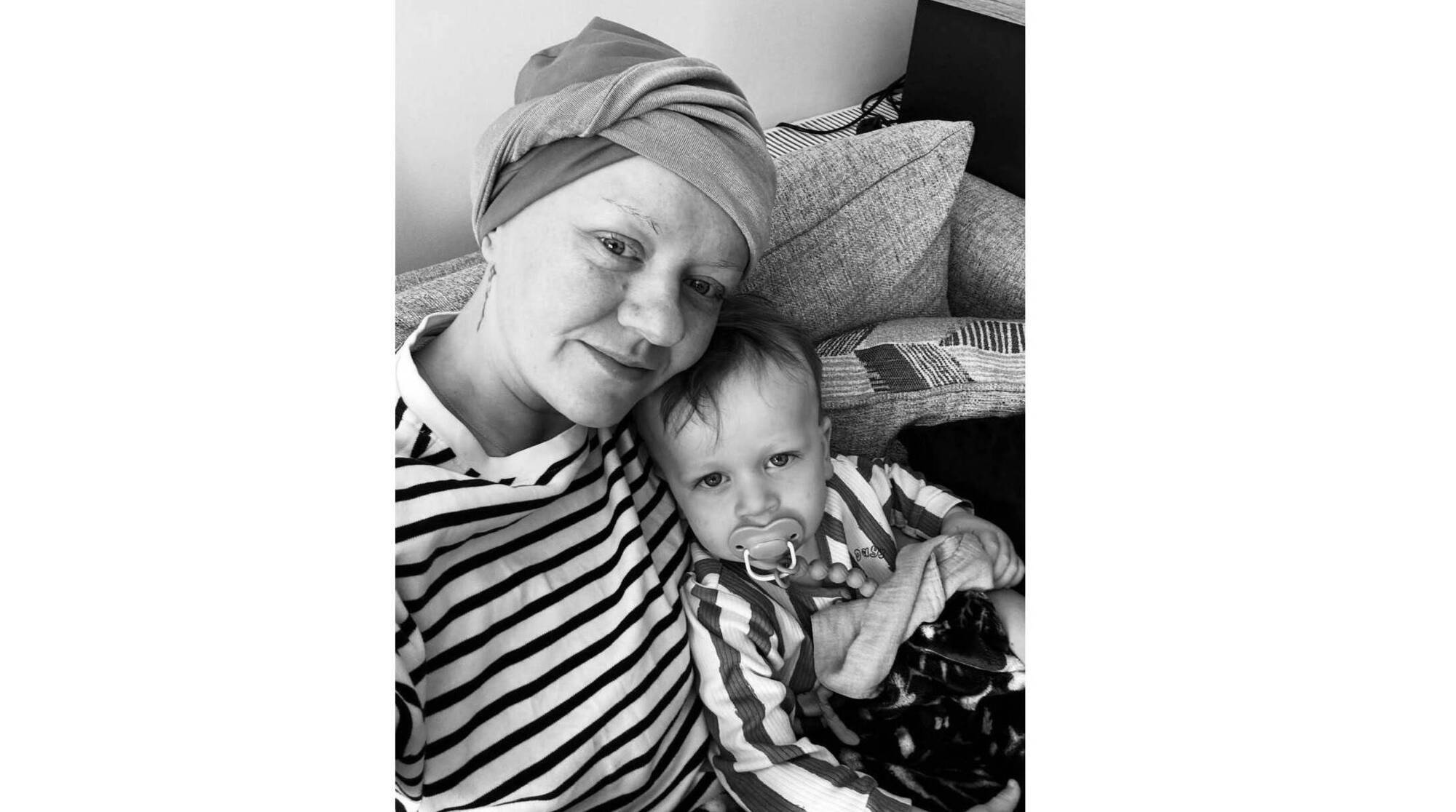
Aoife Murphy with one of her children. Her expenses included hospital and consultant fees, as well as travel costs associated with the 80km journey from her home in Portarlington, Co Laois, to the Mater Hospital in Dublin. Picture: Irish Cancer Society
A mother of three who spent her savings on cancer treatment has "lost any hope" of buying a home, warning that the hidden costs of the disease can quickly spiral.
Aoife Murphy is among a growing number of cancer patients facing difficulties meeting mortgage and rent payments, heating their homes, and covering everyday expenses, according to the Irish Cancer Society.
Ms Murphy and her family were in rented accommodation when she was diagnosed with breast cancer in January 2025.
“Before I got sick, I was always trying to put money away,” she said.
“You’d put something aside for the rainy day, for your kids, and I was trying to build a house deposit too. All of that was really thrown out the window once I was diagnosed with cancer.”
Her expenses included hospital and consultant fees, as well as travel costs associated with the 80km journey from her home in Portarlington, Co Laois, to the Mater Hospital in Dublin.
“Parking in the Mater is astronomical,” she said, explaining how the costs are "constantly chipping away at your safety net, at your plans and hopes for the future.
“I basically lost any hope of a house deposit to my cancer diagnosis.”
Another cancer survivor, Miriam Hilliard, 68, from Listowel, Co Kerry, has faced similar costs having been diagnosed with endometrial cancer in 2018.
She also faces significant travel and parking costs, spending about €15 each day she attends appointments at the Mater Hospital from her home in Drogheda.
She needs wigs, medical equipment, and has extra food costs on long treatment days, while her medication comes to €80 monthly.
“I have applied for and been refused a medical card,” said Ms Hilliard.
She is backing the Irish Cancer Society's call for hospital car parking charges to be abolished for cancer patients and said those undergoing treatment should automatically qualify for medical cards.
The charity warned that cancer patients face an average annual income loss of €16,200 during treatment.
Research conducted by Ireland Thinks on behalf of the charity found that medical expenses can reach €400 a month, while travel costs can amount to as much as €300 monthly.
Many patients reported having to dip into their savings or borrow money from family and friends to cope with the financial impact of their diagnosis. One in three said their heating bills had increased, while three in five reported experiencing financial hardship.
Society chief executive Nikki Gallagher said a cancer diagnosis affects all aspects of a person's life. "In that moment, everything changes, not just physically and emotionally but financially too."
Ahead of the budget on October 6, Ms Gallagher called on the Government to support cancer patients, urging automatic access to medical cards and a lowering of the drug payment scheme threshold from €80 to €40.
The Irish Cancer Society funded research by Suzanne Denieffe of South East Technological University into energy hardship among people living with a life-limiting cancer diagnosis.
The study found patients often felt the cold more acutely and reported rising home heating bills. Many lived in poorly insulated homes, while awareness of available supports was found to be low.
Palliative care nurses told Ms Denieffe they are experiencing damp, mould, condensation, and draughts in patients' homes.
Three in five nurses said they had seen patients struggle to pay household bills, including rent or mortgage payments, while two-thirds reported seeing patients unable to afford adequate home heating.

CONNECT WITH US TODAY



Be the first to know the latest news and updates