Barrister to raise concerns about EU Migration Pact's protection of trafficking victims
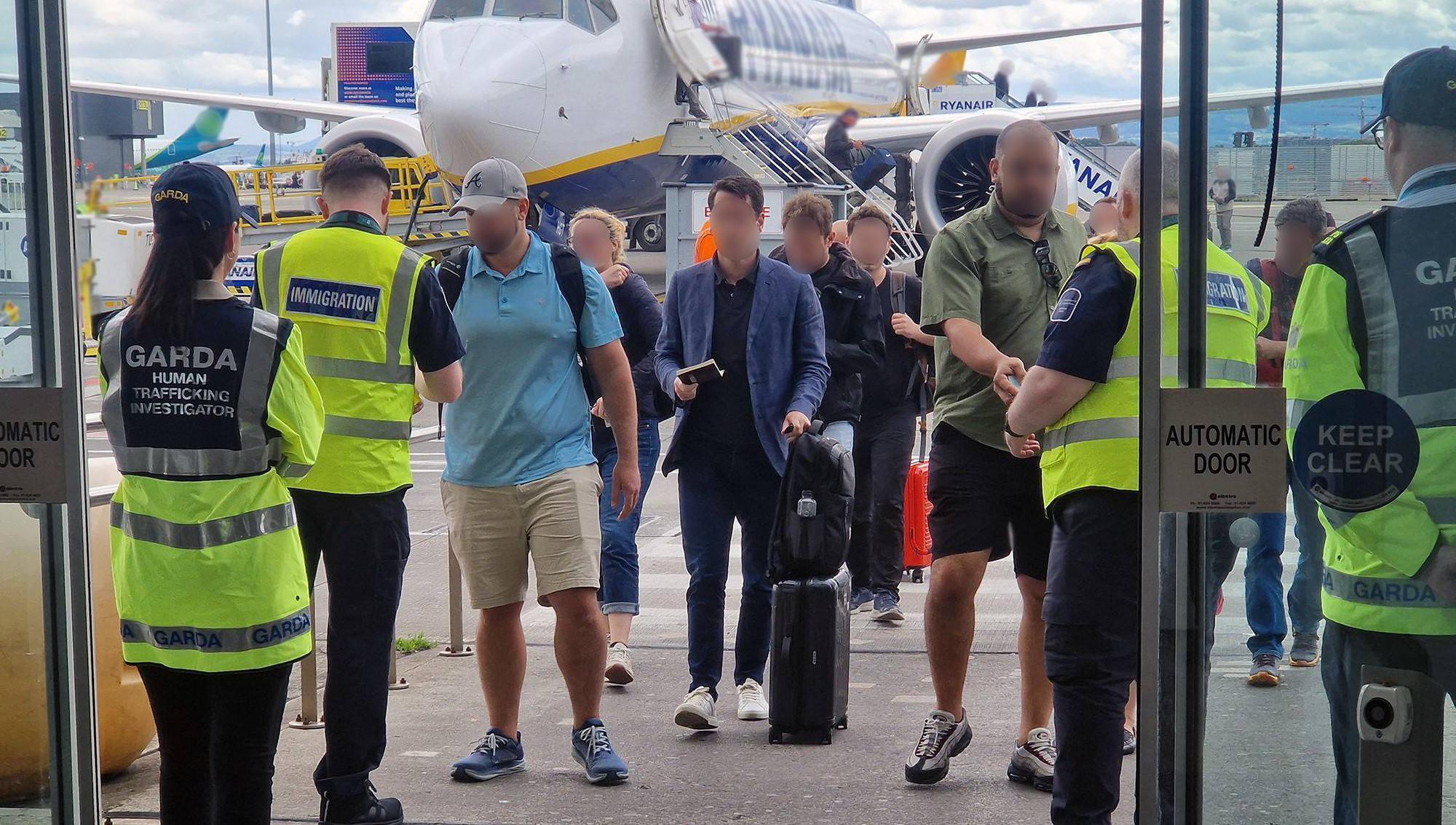
The barrister explained that under the pact, screening of third country nationals at EU borders is short and high pressure, which may limit 'effective identification of vulnerable individuals, especially trafficking victims'. File picture
A new pact introduced across Europe to tackle migration raises concerns about protecting trafficking victims, an Irish human rights barrister will tell an international conference on Tuesday.
The conference on human trafficking and modern slavery is being hosted by Derby University in England, in partnership with Italy's Università Cattolica del Sacro Cuore and England's Portsmouth University, and in conjunction with Interpol.
Barrister Lorraine Lally will be the sole Irish speaker at the conference and will discuss EU border screening and its impact on victims of human trafficking.
She told the that she and other human rights activists have concerns about elements of the EU Migration Pact, which came into effect in June and which unifies migration policy across the EU bloc.
She said that while the pact emphasises efficiency and control, it raises concerns about the protection of vulnerable people such as the victims of human trafficking.
She explained that under the pact, screening of third country nationals at EU borders is short and high pressure, which may limit “effective identification of vulnerable individuals, especially trafficking victims”.
Read More
As part of the screening process for migrants entering the EU, children from the age of six must be screened, including being fingerprinted, photographed, documents sought, and questions asked regarding travel to Ireland.
She said that while the intention is to reduce the possibility of the children being trafficked, she has concerns around families already in Ireland before the introduction of the new system. She questioned if those families will now have to register their children to ensure they will be able to access services including education and health.
“I would feel more comfortable if there were protections in place for children because there is a lot of trafficking of children and vulnerable adults and even pregnant women.”
She said a lot of the time, people in vulnerable positions, such as women in brothels, do not feel they can reach out to the authorities in Ireland.
She raised concerns that “our country does not seem to have a proper system in place to offer legal representation, to offer translation and interpretation”, adding that “these are issues we have been criticised on for more than a decade”.
She continued: “It is totally unacceptable that people come here who are extremely vulnerable, some of them are not well and some are being manipulated and abused and they are not just victims of human trafficking — they are actually victims of crimes and we have the EU Victims Directive that is directly applicable in Ireland as well, which says that if you are a victim of a crime, you have certain rights.”

CONNECT WITH US TODAY



Be the first to know the latest news and updates