E-scooters fill ‘a very real gap’ in public transport, emergency doctor warns
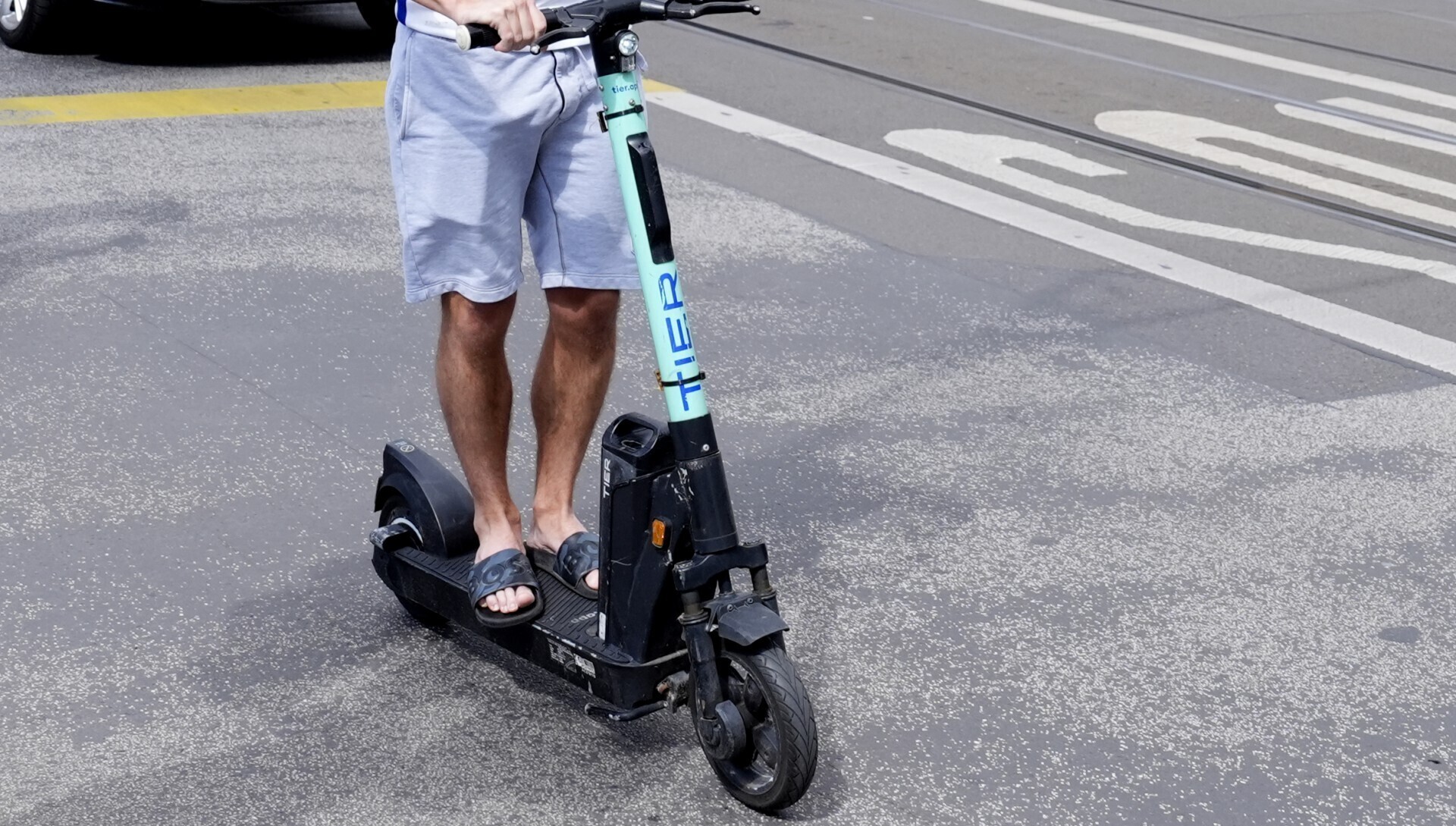
New e-scooter road safety measures come into effect from Friday, with helmets and high-visibility clothing to become mandatory for users. Picture: Nick Potts/PA Wire
Emergency medicine consultant Dr John Legge has warned that e-scooters are filling “a very real gap” in Ireland’s public transport infrastructure and questioned whether some groups could be disproportionately targeted under new legislation being introduced.
New e-scooter road safety measures come into effect from Friday, with helmets and high-visibility clothing to become mandatory for users.

However, a planned increase in the minimum age for e-scooter users from 16 to 18 will not be introduced until later this year.
Dr Legge, who has treated patients with serious injuries following e-scooter crashes, has warned against an outright ban and questioned whether the new rules will be enforced evenly.
“E-scooters are popular for a reason", he told RTÉ's "They are filling a very real gap in our public transport infrastructure that may not suit shift workers or people who have to make multiple journeys.
“Also, people may not feel cycling safe enough or walking safe enough, so e-scooters fills that gap. So we should see them as a symptom of a poor resource transport infrastructure."
Read More
The measures are part of the Government’s response to the number of serious injuries and fatalities involving e-scooter users, including children.
One of the major road safety measures agreed by Government before the summer was to raise the minimum age for e-scooter users from 16 to 18.
However, following legal advice from the Attorney General’s office, the measure has been submitted to the European Commission as part of the EU Technical Regulation Information System process.
The process can take up to 12 weeks, with the Government aiming to have the new age-limit regulations in place before the end of the year.
From Friday, e-scooter users will also be required to wear a helmet and high-visibility clothing while using the vehicles.
The fees for the detention and storage of seized e-scooters will also double from €50 to €100 from the beginning of October.
Dr Legge said e-scooters were “a very real gap” in Ireland’s public transport infrastructure and warned that restrictions should not disproportionately affect particular groups.
“If we do look at enforcement, will this be applied evenly? So there are obviously routes where you might find more e-scooter users. Therefore, it's a higher yield to enforce there, as opposed to other areas.”